
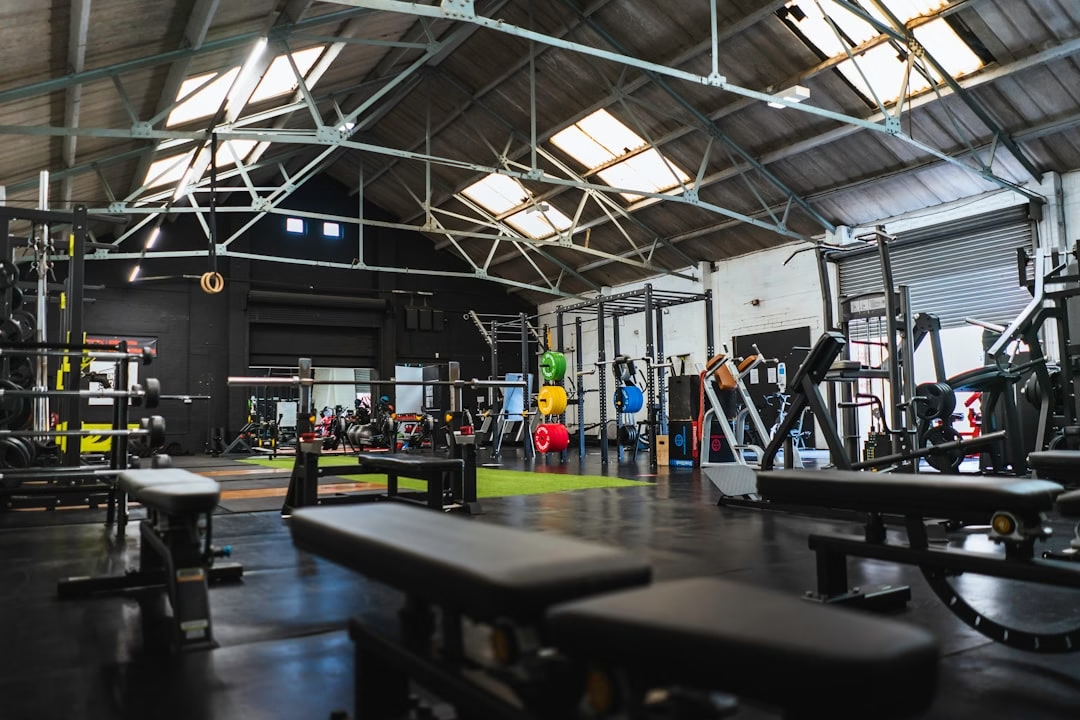
The relationship between air quality and physical performance in fitness environments plays a fundamental role in the overall exercise experience. Indoor air quality directly impacts respiratory health, particularly in spaces where increased physical exertion naturally leads to deeper and more frequent breathing. Fitness center environments present unique challenges due to the combination of heavy breathing during exercise, shared air space, and equipment that can accumulate dust and other particulates.
Research demonstrates that poor air quality significantly affects exercise capacity and recovery time. When individuals exercise in environments with elevated levels of pollutants or inadequate ventilation, their oxygen uptake efficiency decreases, leading to reduced stamina and potential health risks. High carbon dioxide concentrations, common in poorly ventilated gyms, can cause fatigue, headaches, and decreased cognitive function, ultimately impacting workout performance and safety.
Modern fitness facilities must prioritize air quality management as part of their core operational strategy. This approach not only protects the health of gym-goers and staff but also enhances the overall exercise experience. Proper ventilation and air purification systems work together to maintain optimal oxygen levels while removing harmful contaminants, creating an environment that supports peak athletic performance.
Technologies for Improving Air Quality in Gyms
Modern air purification technologies offer diverse solutions for maintaining clean air in fitness environments. High-Efficiency Particulate Air (HEPA) filtration systems serve as the cornerstone of gym air quality management, capturing particles as small as 0.3 microns with 99.97% efficiency. These systems effectively remove common gym contaminants, including dust, pollen, bacteria, and microscopic particles from equipment wear.
Ultraviolet (UV) air purifiers provide an additional layer of protection by neutralizing airborne pathogens. These systems use UV-C light to destroy the DNA of microorganisms, preventing them from reproducing and spreading through the facility. When combined with HEPA filtration, UV purification creates a comprehensive approach to air quality management.
Smart ventilation solutions represent the latest advancement in gym air quality technology. These systems utilize sensors to monitor air quality metrics in real-time, automatically adjusting ventilation rates based on occupancy levels and air quality parameters. This dynamic approach ensures optimal air quality while maximizing energy efficiency, addressing both environmental and operational concerns.
Regulations and Standards for Indoor Air Quality
Indoor air quality regulations for fitness centers encompass various local, state, and federal guidelines designed to protect public health. The Occupational Safety and Health Administration (OSHA) establishes baseline requirements for workplace air quality, while specific state and municipal codes may impose additional standards for fitness facilities. These regulations typically address ventilation rates, maximum allowable concentrations of common pollutants, and maintenance requirements for air handling systems.
Air quality certification programs provide fitness centers with frameworks for achieving and maintaining optimal indoor air quality. The Leadership in Energy and Environmental Design (LEED) certification system includes specific credits for indoor air quality management, encouraging facilities to implement comprehensive air quality strategies. These certifications not only demonstrate compliance with established standards but also signal a commitment to member health and environmental responsibility.
Professional organizations within the fitness industry have developed supplementary guidelines that address the unique air quality challenges of exercise environments. These recommendations often exceed minimum regulatory requirements, focusing on creating optimal conditions for physical activity while considering the specific needs of different workout spaces within a facility.
Designing Eco-Friendly and Healthy Fitness Centers
Sustainable design practices in fitness centers extend beyond aesthetic considerations to create environments that promote both human health and environmental responsibility. The integration of natural ventilation systems, when climate and building configuration permit, reduces reliance on mechanical systems while providing fresh air circulation. These design elements often include operable windows, strategic building orientation, and architectural features that facilitate air movement.
Modern fitness center design incorporates sustainable building materials that minimize the release of volatile organic compounds (VOCs) and other harmful emissions. Low-emission flooring materials, paints, and equipment contribute to better indoor air quality while reducing environmental impact. The selection of these materials requires careful consideration of durability and maintenance requirements to ensure long-term performance in high-traffic fitness environments.
Design considerations also encompass the spatial layout of exercise areas to optimize air flow and minimize cross-contamination between different activity zones. High-intensity workout areas benefit from dedicated ventilation systems, while specialized filtration may serve areas with specific air quality requirements. This zoned approach to air quality management allows facilities to tailor their systems to the unique demands of different exercise modalities.
The Impact of Humidity and Ventilation on Gym Air Quality
Humidity control represents a critical component of gym air quality management, affecting both human comfort and equipment longevity. Optimal humidity levels, typically maintained between 40% and 60%, help prevent the growth of mold and bacteria while supporting comfortable exercise conditions. Advanced humidity control systems work in conjunction with ventilation equipment to maintain these ideal conditions throughout varying occupancy levels and weather conditions.
Smart HVAC systems revolutionize the approach to ventilation management in fitness facilities. These systems utilize artificial intelligence and machine learning algorithms to predict and respond to changing occupancy patterns and environmental conditions. Real-time monitoring of temperature, humidity, and air quality parameters allows for precise control of ventilation rates, optimizing both air quality and energy efficiency.
The implementation of demand-controlled ventilation systems provides additional benefits for large fitness facilities. These systems adjust outdoor air intake based on actual occupancy levels, measured through carbon dioxide sensors or occupancy counters. This approach ensures adequate fresh air supply during peak usage while reducing energy consumption during off-peak hours.
Health Benefits of Clean Air for Gym-Goers and Staff
Clean air in fitness environments delivers measurable health benefits for both members and employees. Research indicates that improved air quality reduces the incidence of respiratory symptoms, allergies, and exercise-induced asthma among gym users. The removal of airborne pollutants, including dust, allergens, and volatile organic compounds, creates an environment that supports respiratory health during intense physical activity.
Enhanced air quality contributes to improved exercise performance and recovery. Studies demonstrate that athletes training in environments with optimal air quality experience better endurance, reduced fatigue, and faster recovery times compared to those exercising in poorly ventilated spaces. These benefits extend to casual gym-goers, who report increased comfort and motivation when working out in facilities with superior air quality.
Staff members working in fitness facilities also experience significant health benefits from improved air quality. Long-term exposure to poor air quality can lead to various health issues, including respiratory problems and fatigue. Maintaining clean air helps protect staff health, reduces sick days, and creates a more pleasant working environment, contributing to higher job satisfaction and retention rates.
Gyms and fitness centers present some of the most demanding indoor air quality conditions in commercial buildings. High occupancy combined with intense physical activity drives CO2 levels up faster than in any typical office environment. Humidity from perspiration builds quickly without adequate ventilation. Compounds from cleaning products, rubber flooring, and equipment add to the tVOC burden. These conditions require active monitoring to catch before they affect member experience or staff health.
Nosy monitors CO2, humidity, temperature, tVOCs, and occupancy continuously, with readings every five minutes and a web-based dashboard that shows conditions by zone in real time. For gym operators, the ability to correlate CO2 and humidity levels with class schedules or equipment usage patterns helps identify where ventilation needs to be adjusted to match actual demand throughout the day. Fitness facility operators looking for context on affordable environmental monitoring can find a useful overview at Fractional BAS Explained.
Conclusion
The future of fitness facility design and operation centers on creating environments that prioritize air quality alongside traditional fitness amenities. Advanced technologies, sustainable design practices, and comprehensive air quality management strategies work together to support optimal exercise conditions. This evolution in fitness center operations reflects growing awareness of the connection between air quality and exercise performance.
Gym owners and facility managers can take concrete steps to improve air quality in their facilities. The implementation of modern air purification systems, regular maintenance of ventilation equipment, and adoption of sustainable practices provide a foundation for superior air quality. Ongoing monitoring and adjustment of these systems ensure consistent performance and demonstrate a commitment to member health and satisfaction.
The investment in air quality improvements delivers tangible returns through increased member satisfaction, improved retention rates, and reduced maintenance costs. As awareness of indoor air quality continues to grow, facilities that prioritize clean air position themselves as industry leaders while contributing to public health and environmental sustainability. The future of fitness depends on creating environments where clean air supports peak performance and overall wellness for every participant.
