
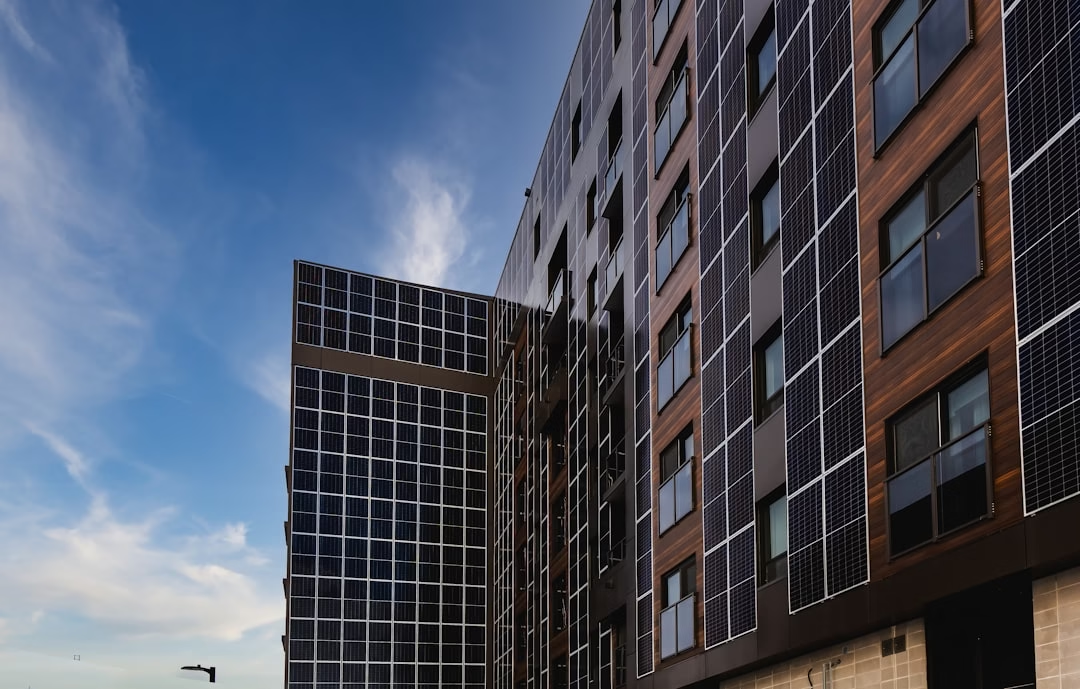
In today’s rapidly evolving technological landscape, smart building solutions are revolutionizing the way commercial office spaces operate. These innovative systems integrate cutting-edge technologies to optimize building performance, enhance occupant comfort, and drive sustainability initiatives. Smart building solutions encompass a wide range of interconnected systems and devices that work together to create intelligent, responsive environments.
At their core, smart building solutions leverage the power of the Internet of Things (IoT), artificial intelligence (AI), and advanced sensors to collect and analyze data from various building systems. This data-driven approach allows for real-time monitoring, predictive maintenance, and automated control of essential building functions such as heating, ventilation, and air conditioning (HVAC), lighting, security, and energy management.
The implementation of smart building solutions in commercial office spaces has far-reaching implications for workplace productivity and efficiency. By optimizing environmental conditions, these systems create more comfortable and conducive work environments, leading to increased employee satisfaction and performance. For instance, smart lighting systems can adjust illumination levels based on natural light and occupancy, reducing eye strain and enhancing focus.
Furthermore, the adoption of smart building technologies is becoming increasingly critical for the future of commercial real estate. As tenants and investors prioritize sustainability and operational efficiency, buildings equipped with intelligent systems gain a competitive edge in the market. Smart buildings not only reduce operational costs through energy savings but also provide valuable insights into space utilization and occupant behavior, enabling property managers to make data-driven decisions for improved asset management.
The strategic importance of embracing smart building solutions extends beyond immediate benefits. As urban populations grow and environmental concerns mount, the need for efficient, sustainable buildings becomes paramount. Smart building technologies play a crucial role in addressing these challenges by optimizing resource consumption, reducing carbon footprints, and contributing to the development of smarter, more resilient cities.
By integrating various building management systems into a cohesive network, smart building solutions create a foundation for continuous improvement and adaptation. This flexibility allows commercial office spaces to evolve with changing needs and technological advancements, ensuring long-term relevance and value in an increasingly competitive real estate market.
Key Technologies in Smart Building Systems
The foundation of smart building solutions lies in a sophisticated ecosystem of interconnected technologies that work in harmony to create intelligent, responsive environments. At the heart of these systems are three core technologies: the Internet of Things (IoT), Artificial Intelligence (AI), and Building Automation Systems (BAS). Each of these technologies plays a crucial role in transforming traditional office spaces into smart, efficient, and sustainable environments.
The Internet of Things (IoT) serves as the nervous system of smart buildings, connecting a vast network of sensors, devices, and systems. These IoT devices collect real-time data on various aspects of building operations, from energy consumption and occupancy levels to air quality and equipment performance. For example, smart HVAC systems use IoT sensors to monitor temperature, humidity, and occupancy in different zones, adjusting settings automatically to maintain optimal comfort while minimizing energy waste.
Artificial Intelligence (AI) acts as the brain of smart building systems, processing and analyzing the enormous amounts of data collected by IoT devices. AI algorithms can identify patterns, predict potential issues, and make intelligent decisions to optimize building performance. For instance, AI-powered predictive maintenance systems can analyze equipment performance data to forecast potential failures, allowing facility managers to address issues proactively and reduce downtime.
The synergy between IoT and AI creates a powerful platform for enhancing building operations and management. By combining real-time data collection with advanced analytics, smart buildings can continuously learn and adapt to changing conditions, occupant preferences, and usage patterns. This dynamic approach enables more efficient resource allocation, improved occupant comfort, and significant energy savings.
Building Automation Systems (BAS) form the operational backbone of smart buildings, integrating various subsystems into a centralized control platform. Modern BAS go beyond simple scheduling and control functions, incorporating advanced features such as data visualization, energy management, and fault detection and diagnostics. These systems enable facility managers to monitor and control building operations from a single interface, streamlining management processes and improving overall efficiency.
The functionality and benefits of BAS in smart buildings are extensive. For example, a sophisticated BAS can integrate lighting, HVAC, security, and access control systems, creating seamless interactions between different building functions. This integration allows for scenarios such as automatically adjusting lighting and temperature settings when an employee enters their workspace, or optimizing energy use based on occupancy patterns throughout the day.
Advanced building technologies are constantly evolving, pushing the boundaries of what’s possible in smart building solutions. For instance, smart lighting systems now incorporate daylight harvesting and occupancy sensing to maximize natural light usage and minimize energy waste. These systems can adjust light intensity and color temperature to mimic natural circadian rhythms, potentially improving occupant well-being and productivity.
Similarly, smart HVAC systems have become increasingly sophisticated, utilizing machine learning algorithms to predict heating and cooling needs based on historical data, weather forecasts, and occupancy patterns. This predictive approach allows for more efficient energy use and improved comfort levels, as the system can proactively adjust settings to maintain optimal conditions throughout the day.
The integration of these technologies creates a holistic smart building ecosystem that is greater than the sum of its parts. By leveraging the power of IoT, AI, and advanced automation, smart buildings can achieve unprecedented levels of efficiency, sustainability, and occupant comfort. As these technologies continue to evolve and mature, we can expect even more innovative solutions to emerge, further transforming the landscape of commercial office spaces.
Benefits of Smart Building Solutions for Office Spaces
The implementation of smart building solutions in commercial office spaces yields a multitude of tangible benefits that extend far beyond simple energy savings. These innovative systems offer a comprehensive approach to building management, resulting in improved operational efficiency, enhanced occupant comfort, and significant contributions to sustainability goals.
One of the most immediate and measurable benefits of smart building solutions is the substantial reduction in energy consumption. By leveraging real-time data and advanced analytics, smart buildings can optimize energy use across various systems. For example, intelligent HVAC systems can adjust temperature settings based on occupancy and external weather conditions, while smart lighting systems can automatically dim or turn off lights in unoccupied areas. These optimizations can lead to energy savings of up to 30-50% compared to traditional buildings, resulting in significant cost reductions for building owners and tenants.
Operational efficiency is another key advantage of smart building solutions. Integrated building management systems provide facility managers with comprehensive insights into building performance, enabling data-driven decision-making and proactive maintenance. Predictive maintenance algorithms can identify potential equipment failures before they occur, reducing downtime and extending the lifespan of building systems. This approach not only saves on maintenance costs but also ensures uninterrupted operations, crucial for maintaining tenant satisfaction in commercial office spaces.
The role of smart buildings in promoting sustainability and eco-friendliness cannot be overstated. By optimizing resource consumption and reducing waste, smart buildings significantly lower their carbon footprint. Many smart building solutions incorporate renewable energy sources, such as solar panels or wind turbines, and integrate them seamlessly with the building’s energy management system. This integration allows for more efficient use of renewable energy, further reducing reliance on fossil fuels and contributing to broader sustainability goals.
Perhaps one of the most impactful benefits of smart building solutions is the enhancement of occupant comfort and productivity. Advanced sensor networks and AI-driven systems can create personalized environments that adapt to individual preferences and needs. For instance, smart lighting systems can adjust color temperature and intensity throughout the day to support natural circadian rhythms, potentially improving employee alertness and well-being. Similarly, smart HVAC systems can maintain optimal temperature and humidity levels in different zones, ensuring a comfortable working environment for all occupants.
Moreover, smart building solutions contribute to improved space utilization and flexibility. Occupancy sensors and analytics tools provide valuable insights into how office spaces are used, allowing facility managers to optimize layouts and allocate resources more effectively. This data-driven approach can lead to more efficient use of space, potentially reducing real estate costs while improving the overall workplace experience.
The benefits of smart building solutions extend beyond the immediate occupants to the broader community and environment. By reducing energy consumption and emissions, smart buildings play a crucial role in urban sustainability efforts. They contribute to cleaner air, reduced strain on power grids, and overall lower environmental impact, aligning with growing global initiatives for sustainable urban development.
It’s important to note that while the initial investment in smart building technologies may be significant, the long-term benefits often outweigh the costs. The energy savings alone can result in a relatively quick return on investment, typically within 3-5 years. When factoring in the additional benefits of improved operational efficiency, increased property value, and enhanced tenant satisfaction, the case for implementing smart building solutions becomes even more compelling.
As the technology continues to evolve and become more accessible, we can expect to see wider adoption of smart building solutions across the commercial real estate sector. This shift will not only benefit individual buildings and their occupants but will also contribute to the development of smarter, more sustainable cities.
Role of IoT in Smart Building Innovations
The Internet of Things (IoT) plays a pivotal role in the realm of smart building innovations, serving as the foundation upon which intelligent building management systems are built. IoT technology integrates seamlessly into smart building solutions, creating a vast network of interconnected devices and sensors that collect, transmit, and analyze data in real-time. This integration enables unprecedented levels of control, efficiency, and responsiveness in building operations.
At its core, IoT in smart buildings consists of a multitude of sensors and devices strategically placed throughout the facility. These sensors monitor various parameters such as temperature, humidity, occupancy, light levels, air quality, and energy consumption. The data collected by these sensors is transmitted to a central management system, where it is processed and analyzed to provide actionable insights and automate building functions.
One of the primary advantages of IoT in building management and operations is the ability to conduct real-time monitoring of all building systems. This constant stream of data allows facility managers to have a comprehensive, up-to-the-minute understanding of how the building is performing. For example, energy consumption can be tracked in detail, identifying areas of high usage or unexpected spikes that may indicate inefficiencies or equipment malfunctions.
Predictive maintenance is another significant benefit of IoT in smart buildings. By continuously monitoring equipment performance and analyzing historical data, IoT systems can predict when maintenance is likely to be needed before a failure occurs. This proactive approach reduces downtime, extends equipment lifespan, and optimizes maintenance schedules, resulting in significant cost savings and improved operational efficiency.
Energy management is perhaps one of the most impactful applications of IoT in smart buildings. IoT-enabled systems can automatically adjust lighting, heating, and cooling based on occupancy and external conditions, ensuring optimal comfort while minimizing energy waste. For instance, if sensors detect that a conference room is unoccupied, the system can automatically turn off lights and adjust the temperature to conserve energy.
The future of smart buildings is being shaped by the ever-expanding capabilities of IoT technology. As sensors become more sophisticated and data analytics more advanced, we can expect to see even greater levels of building intelligence and automation. For example, IoT systems may soon be able to learn and predict occupant preferences on an individual level, automatically adjusting environmental conditions as people move through the building.
Furthermore, IoT is enabling the development of digital twins for buildings – virtual replicas that simulate the physical structure and its systems in real-time. These digital twins allow for advanced scenario planning, optimization of building performance, and even virtual testing of new technologies before physical implementation.
The integration of IoT with other emerging technologies, such as artificial intelligence and machine learning, is pushing the boundaries of what’s possible in smart buildings. For instance, AI-powered IoT systems can analyze patterns in occupancy, energy use, and environmental conditions to make predictive adjustments that optimize building performance over time.
As IoT technology continues to evolve, we can anticipate more sophisticated applications in areas such as security and access control. Biometric sensors and advanced recognition systems could provide seamless, secure access throughout the building while also contributing valuable data to the overall building management system.
While the benefits of IoT in smart buildings are substantial, it’s important to address potential challenges such as data privacy and cybersecurity. As buildings become more connected, ensuring the security of the vast amounts of data collected becomes paramount. Building owners and managers must implement robust security measures and adhere to best practices in data protection to maintain the trust of occupants and safeguard sensitive information.
Future Trends in Smart Building Technology
The landscape of smart building technology is rapidly evolving, with emerging trends promising to revolutionize the way we design, construct, and manage commercial office spaces. As we look towards the future, several key innovations are poised to shape the next generation of smart buildings, offering enhanced efficiency, sustainability, and user experience.
One of the most promising emerging trends is the integration of artificial intelligence (AI) and machine learning (ML) into building management systems. These technologies will enable buildings to learn from historical data and user behavior, making predictive adjustments to optimize comfort and efficiency. For example, AI-powered systems could anticipate occupancy patterns and adjust HVAC and lighting settings accordingly, even before occupants arrive at the office.
Another significant trend is the advancement of edge computing in smart building applications. By processing data closer to its source, edge computing reduces latency and enables faster decision-making. This is particularly crucial for applications that require real-time responses, such as security systems or emergency management protocols. Edge computing also helps address privacy concerns by keeping sensitive data local rather than sending it to the cloud.
The concept of human-centric lighting is gaining traction in smart building design. This approach goes beyond energy efficiency to focus on the impact of lighting on human health and productivity. Smart lighting systems of the future will likely incorporate circadian rhythm optimization, adjusting color temperature and intensity throughout the day to support occupants’ natural biological cycles.
Advancements in material science are also influencing smart building technology. Smart materials, such as self-healing concrete or thermochromic glass that changes opacity based on sunlight intensity, are being developed. These materials could significantly enhance building performance and reduce maintenance needs.
The integration of renewable energy sources with smart building systems is expected to become more sophisticated. Buildings may increasingly incorporate on-site energy generation through solar panels or wind turbines, coupled with advanced energy storage solutions. Smart grid technologies will enable buildings to interact more dynamically with the wider energy network, potentially selling excess energy back to the grid during peak demand periods.
Virtual and augmented reality (VR/AR) technologies are likely to play a larger role in building management and maintenance. Facility managers could use AR overlays to visualize building systems and identify issues in real-time, while VR could be used for remote inspections or training.
The concept of wellness-focused buildings is gaining momentum, with smart technologies playing a crucial role. Future smart buildings may incorporate advanced air purification systems, biophilic design elements, and personalized comfort controls to promote occupant health and well-being.
As smart buildings become more prevalent, we can expect to see the emergence of smart building ecosystems or districts. These interconnected networks of smart buildings could share resources, data, and energy, creating more efficient and resilient urban environments.
The future outlook for smart building solutions in commercial spaces is overwhelmingly positive. As these technologies become more sophisticated and cost-effective, their adoption is likely to accelerate. Building owners and tenants will increasingly recognize the value proposition of smart buildings, not just in terms of operational efficiency and cost savings, but also in attracting and retaining top talent who expect modern, technology-enabled work environments.
However, with these advancements come new challenges. Data privacy and cybersecurity will remain critical concerns as buildings become more connected and data-driven. Standardization and interoperability between different smart building systems and technologies will be crucial for widespread adoption and seamless integration.
Energy Efficiency and Sustainability in Smart Buildings
Smart buildings are at the forefront of the global push towards energy efficiency and sustainability in the commercial real estate sector. By leveraging advanced technologies and intelligent systems, smart buildings contribute significantly to reducing energy consumption, minimizing carbon footprints, and promoting sustainable practices.
One of the primary ways smart buildings enhance energy efficiency is through the implementation of intelligent HVAC systems. These systems use a network of sensors to monitor temperature, humidity, and occupancy levels in real-time. By analyzing this data, the HVAC system can make automatic adjustments to maintain optimal comfort while minimizing energy waste. For instance, if sensors detect that a particular area of the office is unoccupied, the system can reduce heating or cooling in that zone. Studies have shown that smart HVAC systems can reduce energy consumption by up to 40% compared to traditional systems.
Smart lighting solutions also play a crucial role in energy efficiency. LED lights coupled with daylight harvesting sensors and occupancy detectors can significantly reduce electricity usage. These systems can automatically dim or turn off lights when natural light is sufficient or when areas are unoccupied. Some advanced systems even adjust color temperature throughout the day to mimic natural light patterns, potentially improving occupant well-being and productivity while saving energy.
Energy management systems (EMS) are the backbone of energy efficiency in smart buildings. These systems provide real-time monitoring and analysis of energy consumption across all building systems. By identifying inefficiencies and anomalies, EMS enables facility managers to make data-driven decisions to optimize energy use. For example, if the system detects unusually high energy consumption in a particular area, it can alert managers to investigate and address the issue promptly.
Smart buildings often incorporate renewable energy sources as part of their sustainability strategy. Solar panels, wind turbines, or geothermal systems can be integrated with the building’s energy management system to optimize their use. For instance, during peak sunlight hours, a smart building might prioritize solar energy usage and store excess energy in batteries for use during off-peak hours or cloudy days.
Water conservation is another area where smart buildings excel in promoting sustainability. Smart water management systems can detect leaks, monitor usage patterns, and optimize irrigation systems. Some advanced buildings even incorporate greywater recycling systems, further reducing water consumption.
Sustainable design practices are integral to smart buildings. This includes the use of eco-friendly building materials, such as recycled or locally sourced materials, which reduce the building’s environmental impact. Smart buildings often feature improved insulation, energy-efficient windows, and green roofs, all of which contribute to better energy performance and sustainability.
The process of obtaining green building certifications, such as LEED (Leadership in Energy and Environmental Design) or BREEAM (Building Research Establishment Environmental Assessment Method), is often facilitated by smart building technologies. These systems provide the detailed data and performance metrics required for certification, making it easier for buildings to achieve and maintain their green status.
Smart building technologies also support sustainability through improved space utilization. Occupancy sensors and analytics can provide insights into how office spaces are being used, allowing for more efficient space planning. This can potentially reduce the overall square footage needed, leading to reduced energy consumption and resource use.
Furthermore, smart buildings contribute to sustainability by promoting sustainable behaviors among occupants. For instance, dashboards displaying real-time energy consumption data can raise awareness and encourage energy-saving habits. Some buildings even gamify sustainability efforts, creating competitions between departments or floors to reduce energy use.
The impact of smart buildings on sustainability extends beyond the individual building level. As more smart buildings are integrated into urban environments, they contribute to the development of smart cities. These buildings can participate in demand response programs, helping to balance the load on the electrical grid and reduce the need for additional power plants.
While the initial investment in smart building technologies can be significant, the long-term benefits in terms of energy savings and sustainability are substantial. Many organizations find that these investments pay for themselves through reduced operating costs and increased property value. Moreover, as sustainability becomes increasingly important to tenants and investors, smart buildings with strong environmental credentials are likely to command premium rents and higher occupancy rates.
Commercial office buildings increasingly compete on environmental quality as much as location. Tenants expect consistent temperatures, good air quality, and low CO2 levels that support focus and comfort throughout the day. For property owners and managers, delivering that experience requires moving beyond reactive maintenance toward continuous environmental monitoring across all occupied zones.
Nosy monitors CO2, temperature, humidity, tVOCs, and occupancy across commercial office buildings, with readings every five minutes and a web-based dashboard that shows conditions by zone in real time. The wireless Bluetooth mesh network installs without wiring, making it straightforward to instrument occupied office floors. Office building owners and managers looking for context on practical, affordable environmental monitoring can find more at Nosy for Offices.
Conclusion
Smart building solutions are redefining commercial office spaces, transforming them from static, energy-intensive structures into dynamic, efficient, and responsive environments. These innovative technologies are not just enhancing building operations; they are revolutionizing the very essence of how we interact with our built environment.
For facility managers and building owners, the key takeaways are clear. Smart building solutions offer unprecedented control over building operations, leading to significant energy savings, reduced maintenance costs, and improved occupant satisfaction. The data-driven insights provided by these systems enable more informed decision-making, allowing for continuous optimization of building performance. Moreover, the flexibility and scalability of smart building technologies ensure that commercial properties can adapt to changing needs and technologies, future-proofing investments in an ever-evolving market.
The adoption of smart building technologies is not just a trend but an imperative for the future of commercial real estate. As sustainability becomes increasingly critical in the face of climate change, smart buildings offer a powerful tool for reducing carbon footprints and meeting stringent environmental regulations. The ability of these systems to optimize resource use, integrate renewable energy sources, and promote sustainable practices positions them at the forefront of green building initiatives.
Furthermore, as the workforce evolves and expectations for workplace environments change, smart buildings provide the flexibility and personalization that modern tenants demand. The enhanced comfort, productivity, and well-being facilitated by smart building solutions can be a significant differentiator in attracting and retaining top talent and high-value tenants.
The future of smart buildings is bright, with emerging technologies promising even greater levels of intelligence, efficiency, and sustainability. From AI-driven predictive maintenance to human-centric lighting systems, the possibilities for innovation are vast. As these technologies mature and become more accessible, we can expect to see wider adoption across the commercial real estate sector, leading to smarter, more sustainable cities.
However, it’s important to note that the transition to smart buildings is not without challenges. Issues of data privacy, cybersecurity, and system interoperability must be carefully addressed. Building owners and managers must stay informed about the latest technologies and best practices to ensure they are implementing solutions that are not only effective but also secure and compliant with regulations.
