
In today’s world, managing air quality in buildings has become increasingly important for the health and well-being of occupants. As people spend a significant portion of their time indoors, the quality of the air they breathe can have a profound impact on their health, productivity, and overall comfort. Air quality sensors play a crucial role in maintaining healthy indoor environments by providing real-time data on various pollutants and environmental factors.
Implementing air quality sensors in buildings offers numerous benefits. These devices contribute to healthier indoor environments by detecting harmful pollutants such as particulate matter, volatile organic compounds (VOCs), carbon dioxide, and other contaminants that can adversely affect human health. By monitoring these pollutants, building managers and facility engineers can take proactive measures to improve ventilation, reduce pollution sources, and maintain optimal air quality levels.
Air quality sensors also help in complying with regulatory standards set by organizations such as the Environmental Protection Agency (EPA). These standards are designed to protect public health and ensure that indoor air quality meets specific criteria. By continuously monitoring air quality, buildings can demonstrate compliance with these regulations and avoid potential legal issues or fines.
Furthermore, implementing air quality sensors can lead to significant energy savings. By integrating these sensors with building management systems, HVAC operations can be optimized based on real-time air quality data. This approach ensures that ventilation systems operate efficiently, providing clean air when needed while minimizing energy consumption during periods of low occupancy or when air quality is within acceptable ranges.
Indoor air pollution can arise from various sources, including building materials, cleaning products, outdoor pollutants entering through ventilation systems, and even human activities. Air quality sensors help identify these pollution sources, allowing building managers to address issues promptly and maintain a healthier indoor environment.
As smart building technology continues to evolve, air quality sensors are becoming an integral part of modern building management systems. These sensors, along with other environmental sensors, contribute to creating more sustainable and healthier buildings that prioritize occupant well-being and energy efficiency.
Selecting the Right Air Quality Sensors
Choosing the appropriate air quality sensors for a building requires careful consideration of several factors. The selection process should begin with a thorough assessment of the building’s specific needs and the types of pollutants that are most likely to be present in the indoor environment.
When selecting air quality sensors, accuracy is paramount. High-quality sensors should provide reliable and consistent readings across various environmental conditions. It’s essential to consider the sensor’s detection range, sensitivity, and response time to ensure it can effectively monitor the pollutants of concern.
Different types of sensors are available for monitoring various pollutants. Particulate matter sensors measure the concentration of airborne particles of different sizes, such as PM2.5 and PM10. CO2 sensors are essential for monitoring ventilation effectiveness and indoor air quality in occupied spaces. VOC sensors detect a wide range of organic compounds that can off-gas from building materials, furniture, and cleaning products.
Other important sensors to consider include those for carbon monoxide, nitrogen dioxide, ozone, and formaldehyde, depending on the specific concerns in the building. Some advanced sensors can measure multiple parameters simultaneously, providing a comprehensive overview of indoor air quality.
When selecting sensors, it’s also important to consider their compatibility with existing building management systems and their ability to integrate with smart HVAC systems. This integration allows for automated responses to air quality issues and more efficient building operations.
Real-time air quality data is another crucial feature to look for in sensors. The ability to access up-to-date information on air quality parameters enables quick responses to emerging issues and facilitates data-driven decision-making in air quality management.
Environmental sensors should be selected based on their ability to withstand the specific conditions in the building, such as temperature fluctuations, humidity levels, and potential exposure to cleaning products or other chemicals.
By carefully considering these factors and selecting the right combination of air quality monitoring devices, building managers can create a comprehensive air quality monitoring system that effectively addresses the unique needs of their building and its occupants.
Installation and Calibration of Air Quality Sensors
Proper installation and regular calibration of air quality sensors are crucial for ensuring accurate readings and optimal performance. The installation process can significantly impact sensor accuracy, making it essential to follow best practices and manufacturer guidelines.
When installing air quality sensors, location is key. Sensors should be placed in areas that are representative of the overall indoor environment and away from direct sources of pollution or ventilation that could skew readings. For large spaces, multiple sensors may be necessary to provide comprehensive coverage.
The height at which sensors are installed is also important. Generally, sensors should be placed at breathing level, typically around 3-6 feet from the floor. However, specific placement may vary depending on the type of sensor and the pollutant being monitored.
During installation, care should be taken to avoid interference from other electronic devices or building systems. Electromagnetic interference can affect sensor readings, so maintaining appropriate distances from potential sources of interference is crucial.
Proper wiring and power supply are essential for the continuous operation of sensors. Ensure that sensors are connected to a stable power source and that all wiring is secure and protected from potential damage.
After installation, initial calibration of the sensors is necessary to ensure accurate readings. This process typically involves exposing the sensor to known concentrations of the target pollutant and adjusting the sensor’s response accordingly.
Regular calibration is crucial for maintaining sensor accuracy over time. The frequency of calibration can vary depending on the type of sensor and the manufacturer’s recommendations. Some sensors may require calibration every few months, while others may maintain accuracy for longer periods.
Factors that can affect sensor performance and accuracy post-installation include changes in temperature and humidity, accumulation of dust or debris on the sensor, and gradual drift in sensor response over time. Regular maintenance, including cleaning and recalibration, can help mitigate these issues.
Smart building automation systems can facilitate the calibration process by providing alerts when sensors are due for calibration or when readings deviate from expected ranges. This proactive approach helps maintain the integrity of the air quality monitoring system.
Real-time environmental monitoring allows for continuous assessment of sensor performance. By comparing readings from multiple sensors and cross-referencing with external air quality data, building managers can identify potential issues with sensor accuracy and take corrective action promptly.
It’s important to note that indoor air quality standards may have specific requirements for sensor accuracy and calibration frequency. Adhering to these standards ensures compliance with regulations and maintains the credibility of the air quality monitoring system.
Proper installation and regular calibration of air quality sensors are essential components of an effective air quality management strategy. By following best practices and maintaining a rigorous calibration schedule, building managers can ensure that their air quality monitoring system provides reliable and actionable data for improving indoor air quality and occupant well-being.
Integrating Air Quality Sensors with Building Management Systems
Integrating air quality sensors with existing building management systems is a crucial step in creating a comprehensive and efficient approach to indoor air quality management. This integration allows for real-time monitoring, automated responses to air quality issues, and more effective control of building systems to maintain optimal indoor environments.
The technical aspects of connecting sensors to building management systems involve establishing communication protocols between the sensors and the central management platform. Many modern sensors use standard communication protocols such as Modbus, BACnet, or Wi-Fi, which facilitate integration with a wide range of building automation systems.
One of the primary advantages of integrating air quality sensors with building automation systems is improved HVAC efficiency. By providing real-time data on indoor air quality, sensors enable HVAC systems to adjust ventilation rates based on actual needs rather than predetermined schedules. This demand-controlled ventilation approach can significantly reduce energy consumption while maintaining optimal air quality.
Enhanced occupant comfort is another key benefit of sensor integration. By continuously monitoring parameters such as temperature, humidity, and CO2 levels, building management systems can make real-time adjustments to maintain comfortable conditions throughout the building. This responsiveness can lead to increased occupant satisfaction and productivity.
Energy savings are a significant outcome of integrating air quality sensors with building management systems. By optimizing HVAC operation based on real-time air quality data, buildings can reduce unnecessary ventilation and heating/cooling, leading to substantial energy cost reductions.
However, there can be challenges in integrating different sensor technologies with existing building management systems. Compatibility issues may arise when trying to connect sensors from various manufacturers or with older building management systems. In such cases, middleware or gateway devices may be necessary to facilitate communication between sensors and the central management platform.
Interoperability between different sensor models and building management systems is an important consideration. Standardization efforts in the industry are working towards creating more universal protocols to ensure seamless integration across different technologies and platforms.
Data security is another crucial aspect to consider when integrating air quality sensors with building management systems. As these systems collect and transmit sensitive information about building operations and occupancy, robust cybersecurity measures must be implemented to protect against potential breaches or unauthorized access.
The integration of air quality sensors with building management systems also enables more sophisticated data analysis and reporting. Building managers can generate comprehensive reports on indoor air quality trends, identify patterns, and make data-driven decisions to improve overall building performance and occupant health.
Furthermore, this integration supports predictive maintenance strategies. By analyzing sensor data over time, building management systems can predict when air quality issues are likely to occur or when equipment may need maintenance, allowing for proactive interventions that prevent problems before they arise.
As IoT technology continues to advance, the integration of air quality sensors with building management systems is becoming more seamless and powerful. This trend is driving the development of smarter, more responsive buildings that can automatically adapt to changing environmental conditions and occupant needs.
By successfully integrating air quality sensors with building management systems, facility managers can create more efficient, comfortable, and healthy indoor environments while also realizing significant energy savings and operational improvements.
Compliance with Indoor Air Quality Standards
Compliance with indoor air quality standards is a critical aspect of building management, ensuring the health and safety of occupants while meeting legal requirements. Various regulatory standards exist for indoor air quality, set by national and international organizations to protect public health and promote healthy indoor environments.
In the United States, the Environmental Protection Agency (EPA) provides guidelines for indoor air quality, although there are no federally enforceable standards specifically for indoor air. However, the Occupational Safety and Health Administration (OSHA) sets permissible exposure limits for various air contaminants in workplace settings.
Other organizations, such as the American Society of Heating, Refrigerating and Air-Conditioning Engineers (ASHRAE), provide widely recognized standards for ventilation and indoor air quality. ASHRAE Standard 62.1, for instance, specifies minimum ventilation rates and other measures intended to provide acceptable indoor air quality in buildings.
Air quality sensors play a crucial role in helping buildings comply with these standards by continuously monitoring air quality levels. These sensors can measure a wide range of parameters including particulate matter, volatile organic compounds (VOCs), carbon dioxide, carbon monoxide, and other pollutants specified in various standards and guidelines.
By providing real-time data on these air quality parameters, sensors enable building managers to quickly identify when levels exceed recommended thresholds. This allows for prompt action to address air quality issues, whether through increased ventilation, source removal, or other mitigation strategies.
Moreover, the data collected by air quality sensors serves as documentation for compliance purposes. Many standards require regular monitoring and reporting of indoor air quality, and sensor data can provide the necessary evidence to demonstrate ongoing compliance.
The consequences of non-compliance with indoor air quality standards can be significant. From a legal perspective, buildings that fail to meet required standards may face fines, legal action, or closure orders from regulatory authorities. This is particularly critical in settings such as schools, healthcare facilities, and workplaces where indoor air quality is closely regulated.
Health implications of poor indoor air quality can be severe, ranging from short-term issues like headaches and respiratory irritation to long-term health effects such as cardiovascular disease and cancer. Non-compliance with air quality standards puts occupants at risk of these health issues, potentially leading to liability for building owners and managers.
Financial implications of non-compliance can also be substantial. Beyond potential fines, poor indoor air quality can lead to decreased productivity, increased absenteeism, and higher healthcare costs for occupants. In commercial settings, this can translate to significant financial losses.
Furthermore, non-compliance can damage a building’s reputation, making it less attractive to potential tenants or buyers. In an era where sustainability and health are increasingly prioritized, buildings with poor air quality may struggle to compete in the market.
Air quality sensors, as part of a broader smart building technology strategy, play a crucial role in ensuring compliance with indoor air quality standards. By providing continuous monitoring and alerting building managers to potential issues, these sensors enable a proactive approach to air quality management.
The integration of environmental sensors with building management systems further enhances compliance efforts. These systems can automate responses to air quality issues, adjust ventilation rates based on occupancy and pollution levels, and generate reports for regulatory submissions.
As indoor air quality standards continue to evolve, becoming more stringent and comprehensive, the role of air quality sensors in ensuring compliance will only grow in importance. Building managers and facility engineers must stay informed about current standards and leverage sensor technology to maintain healthy, compliant indoor environments.
Analyzing Data from Air Quality Sensors
The analysis of data from air quality sensors is a critical component of effective indoor air quality management. The wealth of information provided by these sensors can offer valuable insights into the state of a building’s indoor environment, enabling informed decision-making and targeted interventions to improve air quality.
Interpreting data from air quality sensors requires an understanding of the types of data collected and their implications for indoor air quality. Common parameters measured include particulate matter (PM2.5 and PM10), carbon dioxide (CO2), volatile organic compounds (VOCs), temperature, and humidity. Each of these parameters provides specific information about the indoor environment and potential sources of pollution.
For instance, elevated levels of particulate matter may indicate issues with filtration systems or the presence of indoor pollution sources. High CO2 levels often suggest inadequate ventilation, while spikes in VOC concentrations might point to off-gassing from building materials or the use of cleaning products.
To effectively analyze this data, building managers can employ various tools and techniques. Many sensor manufacturers provide software platforms that offer basic data visualization and analysis capabilities. These platforms often include features such as real-time dashboards, historical trend analysis, and alert systems for when parameters exceed predefined thresholds.
More advanced analysis can be performed using specialized data analytics software or by integrating sensor data into broader building management systems. These tools can provide more sophisticated insights, such as correlating air quality data with occupancy patterns, outdoor air quality, or HVAC system operations.
Machine learning and artificial intelligence techniques are increasingly being applied to air quality data analysis. These approaches can identify complex patterns and relationships in the data that might not be apparent through traditional analysis methods. For example, predictive models can forecast air quality issues based on historical data and current conditions, allowing for proactive management.
Trend identification is a key aspect of air quality data analysis. By examining data over time, building managers can identify recurring patterns, such as daily or seasonal variations in air quality. This information can be used to optimize building systems and occupant behaviors to maintain good air quality consistently.
Comparative analysis is another valuable technique. By comparing data from different areas within a building or against external air quality data, managers can identify localized issues or determine the effectiveness of air quality improvement measures.
The insights gained from data analysis can drive informed decision-making in air quality management. For example, if analysis reveals consistent elevations in CO2 levels during specific times of day, managers might adjust ventilation schedules or occupancy limits for affected areas. If particulate matter levels are found to spike after cleaning activities, changes in cleaning practices or products might be warranted.
Data analysis also plays a crucial role in demonstrating the effectiveness of air quality improvement initiatives. By comparing before-and-after data, building managers can quantify the impact of interventions such as upgrades to filtration systems, changes in ventilation strategies, or the implementation of source control measures.
Moreover, the analysis of air quality data can contribute to broader sustainability efforts. By correlating air quality data with energy consumption data, buildings can optimize their operations to maintain good air quality while minimizing energy use, supporting both environmental and financial goals.
Regular reporting based on sensor data analysis is essential for keeping stakeholders informed about indoor air quality status and trends. These reports can be valuable for demonstrating compliance with air quality standards, informing occupants about the quality of their environment, and justifying investments in air quality improvement measures.
As the field of indoor air quality management continues to evolve, the importance of sophisticated data analysis will only grow. Building managers and facility engineers should prioritize developing their data analysis capabilities to fully leverage the insights provided by air quality sensors, ensuring healthier, more comfortable, and more efficient indoor environments.
Engaging Users in Air Quality Management
Engaging building occupants in air quality management is a crucial aspect of creating healthier indoor environments. User engagement not only helps in maintaining good air quality but also fosters a culture of awareness and shared responsibility for the indoor environment.
The importance of user engagement in air quality management cannot be overstated. While building managers and facility engineers play a critical role in implementing and maintaining air quality systems, the day-to-day behaviors and choices of building occupants can significantly impact indoor air quality. By involving users in air quality management efforts, buildings can create a more comprehensive and effective approach to maintaining healthy indoor environments.
Educating building occupants about air quality issues is a fundamental step in user engagement. This education should cover basic concepts of indoor air quality, common pollutants and their sources, and the health impacts of poor air quality. It’s important to communicate this information in accessible, non-technical language to ensure understanding across all user groups.
Various strategies can be employed to educate users about indoor air quality. These might include:
1. Informational campaigns using posters, emails, or digital displays to share air quality facts and tips.
2. Workshops or seminars on indoor air quality and its impact on health and productivity.
3. Integration of air quality information into employee onboarding or tenant orientation processes.
4. Regular updates on building air quality status and improvement initiatives.
Air quality sensors play a crucial role in user engagement by providing real-time data that can be shared with occupants. Many modern sensor systems include user-friendly interfaces or mobile apps that allow occupants to check air quality levels in their immediate environment. This real-time feedback can be a powerful tool for raising awareness and encouraging proactive behaviors.
Displaying real-time air quality data in common areas or on digital dashboards throughout the building can help keep air quality top-of-mind for occupants. This transparency can also build trust between building management and occupants, demonstrating a commitment to maintaining a healthy indoor environment.
Engaging users in air quality management also involves promoting healthy behaviors that contribute to better indoor air quality. This might include:
1. Encouraging proper use of ventilation systems, such as opening windows when outdoor air quality is good.
2. Providing guidance on the use of cleaning products and personal care items that can impact air quality.
3. Educating users about the importance of reporting air quality concerns promptly.
4. Promoting practices that reduce indoor pollution, such as proper waste management and smoke-free policies.
Gamification can be an effective strategy for increasing user engagement in air quality management. This might involve creating challenges or competitions related to maintaining good air quality, with rewards for departments or individuals who contribute most effectively to air quality improvement efforts.
Feedback mechanisms are crucial for effective user engagement. Providing channels for occupants to report air quality concerns or suggest improvements can help identify issues that sensors might miss and foster a sense of ownership over the indoor environment.
Involving occupants in decision-making processes related to air quality management can also increase engagement. This might include soliciting input on air quality improvement initiatives or forming air quality committees that include representatives from different user groups.
It’s important to tailor engagement strategies to the specific needs and characteristics of the building’s occupant population. For example, in an office setting, air quality information might be integrated into workplace wellness programs. In residential buildings, engagement efforts might focus on educating tenants about how their daily activities impact air quality.
Leveraging technology can enhance user engagement in air quality management. Mobile apps that provide personalized air quality information and tips, or smart building features that allow occupants to control their local environment, can increase engagement and empower users to take an active role in maintaining good air quality.
Regular communication about air quality trends, improvement initiatives, and the impact of user behaviors is essential for maintaining engagement over time. This might include monthly newsletters, annual reports, or periodic town hall meetings to discuss air quality management efforts and outcomes.
By effectively engaging users in air quality management, buildings can create a collaborative approach to maintaining healthy indoor environments. This not only leads to better air quality outcomes but also contributes to increased occupant satisfaction, productivity, and overall well-being.
Implementing air quality sensors effectively means choosing a system that makes the data useful, not just collected. Sensors that log locally or require manual exports limit what facilities managers and building operators can actually do with the readings — and user guides that focus on analyzing and acting on sensor data assume that data is continuously available, remotely accessible, and covers enough of the building to surface zone-level differences rather than just building-wide averages.
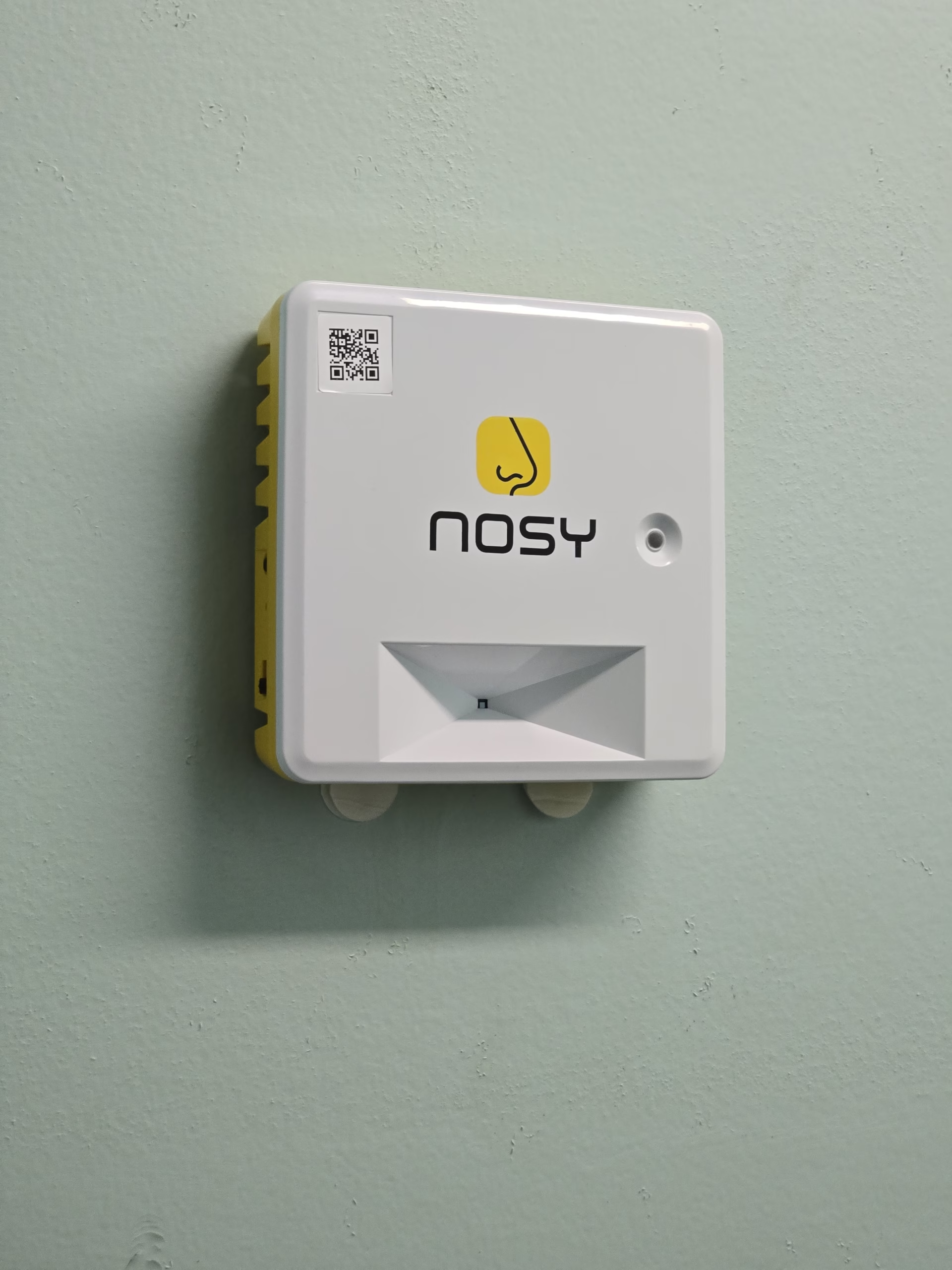
Nosy monitors CO2, temperature, humidity, tVOCs, and IAQ continuously across commercial buildings, with readings every five minutes and a web-based dashboard that shows conditions by zone in real time. The wireless Bluetooth mesh network requires no wiring, and all data is remotely accessible without physical visits to any sensor location. Building managers implementing air quality sensors and looking for context on getting the most from sensor data can find a useful overview at Fractional BAS Explained.
Conclusion
Implementing air quality sensors in buildings is not just about monitoring air quality – it’s about creating smarter, healthier, and more sustainable indoor environments. By leveraging these technologies effectively, building managers and facility engineers can significantly enhance the quality of life for building occupants while also improving operational efficiency and environmental performance. As we move into an era of increasingly smart and connected buildings, air quality sensors will undoubtedly play a pivotal role in shaping the future of our indoor environments.
