
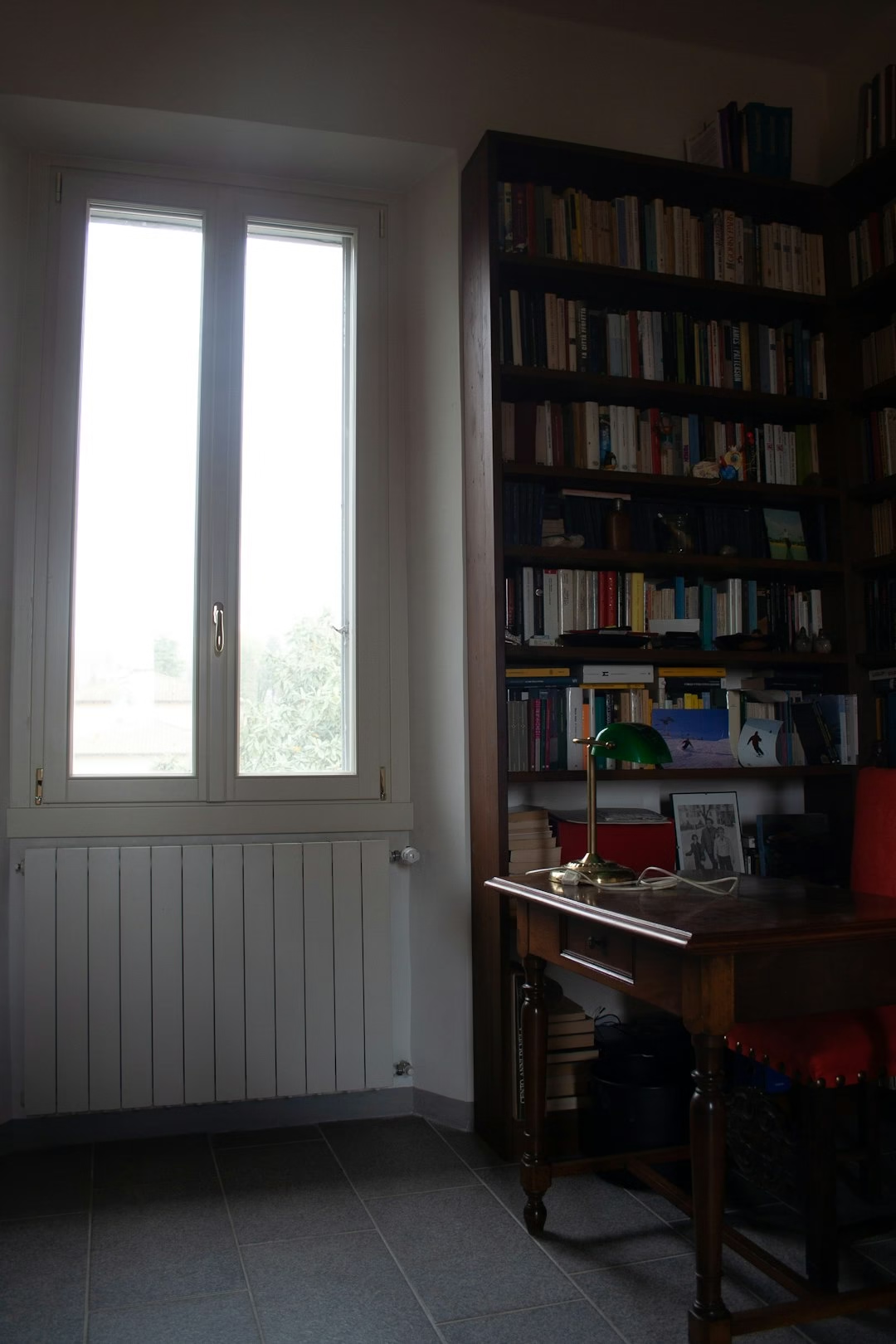
In the realm of indoor environmental quality, the concept of ‘stale’ air is a common concern for homeowners, facility managers, and health-conscious individuals alike. Stale air refers to indoor air that feels stuffy, unpleasant, and lacking in freshness. This phenomenon often results from poor ventilation, high levels of indoor pollutants, and inadequate air circulation. The consequences of stale air extend beyond mere discomfort, potentially impacting occupants’ health and well-being.
Real-time Indoor Air Quality (IAQ) data has emerged as a powerful tool in identifying and solving air quality issues. By providing continuous, up-to-the-minute information about various air quality parameters, IAQ sensors and monitoring devices enable swift detection of problems and facilitate prompt interventions. These advanced technologies measure key indicators such as carbon dioxide levels, humidity, temperature, and the presence of volatile organic compounds (VOCs), offering a comprehensive picture of indoor air quality.
The importance of real-time IAQ data cannot be overstated in today’s world, where people spend a significant portion of their time indoors. By leveraging this information, building occupants and managers can make informed decisions about ventilation, air purification, and other measures to improve indoor air quality. Real-time monitoring allows for immediate identification of air quality deterioration, enabling quick responses to maintain a healthy indoor environment.
IAQ sensors and monitoring devices play a crucial role in this process. These sophisticated tools continuously sample the air, analyzing its composition and providing data on various pollutants and environmental factors. From simple carbon dioxide monitors to complex multi-parameter sensors, these devices form the backbone of modern IAQ management systems. By integrating these sensors into smart home or building management systems, users can gain valuable insights into their indoor air quality and take proactive steps to enhance it.
The impact of real-time IAQ data extends beyond mere convenience. It empowers individuals and organizations to create healthier, more comfortable indoor spaces. By identifying the root causes of stale air – whether it’s inadequate ventilation, excessive humidity, or the presence of pollutants – real-time data enables targeted solutions. This approach not only improves the immediate comfort of occupants but also contributes to long-term health benefits and energy efficiency.
As we delve deeper into the subject, we will explore the health impacts of stale indoor air, the functioning of real-time IAQ monitoring systems, and the various solutions available to combat air quality issues. From smart home technologies to ventilation strategies and mold prevention techniques, this comprehensive guide will provide valuable insights into maintaining optimal indoor air quality and creating healthier living and working environments.
The Health Impacts of Stale Indoor Air
Stale indoor air is more than just an unpleasant sensation; it can have significant health implications for building occupants. The health effects of poor indoor air quality range from mild discomfort to severe respiratory issues, making it crucial to understand and address this problem. Exposure to stale and polluted indoor air can lead to a variety of symptoms and health conditions, affecting both short-term comfort and long-term well-being.
One of the primary health risks associated with stale indoor air is the exacerbation of respiratory conditions. Poor air quality can trigger or worsen asthma symptoms, leading to increased frequency and severity of attacks. Individuals with allergies may also experience heightened reactions when exposed to stagnant air that contains high levels of allergens such as dust mites, pet dander, or mold spores. These allergens tend to accumulate in poorly ventilated spaces, contributing to the overall staleness of the air.
Moreover, prolonged exposure to stale air can lead to a condition known as Sick Building Syndrome (SBS). Symptoms of SBS include headaches, fatigue, eye irritation, nasal congestion, and dizziness. These symptoms typically improve when individuals leave the affected building, highlighting the direct relationship between indoor air quality and occupant health.
The relationship between indoor air quality and respiratory health extends beyond allergies and asthma. Studies have shown that poor IAQ can increase the risk of respiratory infections, including the common cold and flu. This is particularly concerning in settings such as offices, schools, and healthcare facilities, where the spread of airborne pathogens can have significant consequences.
Furthermore, certain pollutants commonly found in stale indoor air can have more severe health impacts. For instance, prolonged exposure to high levels of carbon dioxide (CO2) can lead to decreased cognitive function, impaired decision-making abilities, and reduced productivity. Volatile Organic Compounds (VOCs), which are emitted from various sources including building materials, furniture, and cleaning products, can cause eye and respiratory tract irritation, headaches, and in some cases, damage to the liver, kidneys, and central nervous system.
Case studies have demonstrated the positive impact of improved air quality on health outcomes. For example, a study conducted in office buildings found that improving ventilation rates and reducing indoor pollutants led to a significant decrease in reported respiratory symptoms among employees. Similarly, schools that implemented comprehensive IAQ management programs reported reduced absenteeism due to illness and improved academic performance among students.
In healthcare settings, maintaining high indoor air quality is particularly crucial. Hospitals and clinics that have implemented advanced air filtration and ventilation systems have reported lower rates of hospital-acquired infections and improved recovery times for patients. These examples underscore the importance of addressing stale air issues and maintaining optimal indoor air quality across various environments.
The health impacts of stale indoor air are not limited to physical symptoms. Poor air quality can also affect mental health and cognitive function. Studies have shown that exposure to polluted indoor air can lead to increased stress levels, mood disturbances, and decreased concentration. This highlights the holistic nature of indoor air quality’s impact on human health and well-being.
As awareness of these health risks grows, the importance of monitoring and improving indoor air quality becomes increasingly evident. Real-time IAQ data plays a crucial role in this effort, providing the information necessary to identify and address air quality issues promptly. By leveraging this data, building managers and occupants can take proactive steps to create healthier indoor environments, reducing the risk of respiratory issues, allergies, and other health problems associated with stale air.
Real-Time IAQ Monitoring: How It Works
Real-time Indoor Air Quality (IAQ) monitoring has revolutionized the way we approach indoor environmental quality. This advanced technology provides continuous, up-to-the-minute data on various air quality parameters, enabling swift detection and resolution of air quality issues. Understanding how these systems function is crucial for effectively utilizing them to maintain healthy indoor environments.
IAQ sensors are at the heart of real-time monitoring systems. These devices come in various types, each designed to measure specific air quality parameters. Common types of IAQ sensors include:
1. Carbon Dioxide (CO2) Sensors: These measure CO2 levels, which are excellent indicators of indoor air staleness and ventilation effectiveness.
2. Particulate Matter (PM) Sensors: These detect tiny particles suspended in the air, including dust, pollen, and other allergens.
3. Volatile Organic Compound (VOC) Sensors: These monitor levels of organic chemicals that can off-gas from various indoor sources.
4. Temperature and Humidity Sensors: These measure thermal comfort parameters that significantly impact perceived air quality.
5. Formaldehyde and Other Specific Gas Sensors: These detect levels of particular gases known to be harmful to human health.
These sensors work by continuously sampling the air and analyzing its composition. For instance, CO2 sensors often use infrared technology to measure the absorption of infrared light by CO2 molecules in the air. PM sensors may use laser scattering techniques to count and size airborne particles. VOC sensors typically employ metal oxide semiconductor technology that changes electrical resistance in the presence of VOCs.
The data collected by these sensors is then processed and transmitted to a central control unit or cloud-based platform. This is where the “real-time” aspect comes into play. Modern IAQ monitoring systems can update readings as frequently as every few seconds, providing an almost instantaneous picture of indoor air quality.
The benefits of real-time IAQ data for homeowners and facility managers are numerous. Firstly, it allows for immediate detection of air quality issues. If CO2 levels suddenly spike or VOC concentrations exceed safe thresholds, the system can alert users promptly, enabling quick interventions. This rapid response capability is crucial in preventing the accumulation of pollutants and maintaining a consistently healthy indoor environment.
Secondly, real-time monitoring enables trend analysis over time. By tracking air quality parameters continuously, users can identify patterns and correlations. For example, a facility manager might notice that VOC levels consistently rise during certain activities or at specific times of day. This information can be used to implement targeted solutions, such as adjusting ventilation schedules or modifying operational procedures.
Furthermore, real-time IAQ data supports data-driven decision-making in building management. Instead of relying on subjective perceptions or periodic spot checks, managers can base their air quality improvement strategies on objective, continuous data. This approach leads to more effective and efficient use of resources, whether it’s optimizing HVAC system operation or investing in air purification technologies.
Real-time monitoring has led to significant improvements in air quality across various settings. For instance, in a large office building, the implementation of a real-time IAQ monitoring system revealed that CO2 levels were regularly exceeding recommended limits during peak occupancy hours. By using this data, the building management was able to adjust the ventilation system to increase fresh air intake during these periods, resulting in improved air quality and increased occupant comfort.
In another example, a school district that installed real-time IAQ monitors in classrooms discovered periodic spikes in VOC levels. Investigation revealed that these spikes corresponded with the use of certain cleaning products. Armed with this information, the district switched to low-VOC cleaning alternatives, significantly improving the indoor air quality for students and staff.
The integration of real-time IAQ monitoring with building automation systems represents the cutting edge of this technology. These integrated systems can automatically adjust ventilation rates, activate air purifiers, or modify HVAC settings based on real-time air quality data. This level of automation ensures optimal air quality while also maximizing energy efficiency.
As the technology continues to advance, real-time IAQ monitoring is becoming more accessible and user-friendly. Many modern systems offer mobile apps that allow users to check air quality data from their smartphones, receive alerts, and even control connected devices remotely. This ease of use is crucial in empowering individuals to take an active role in managing their indoor air quality.
Improving Air Quality with Smart Home Solutions
The integration of smart home technologies with Indoor Air Quality (IAQ) management has opened up new possibilities for creating healthier and more comfortable living environments. Smart home solutions for air quality improvement leverage advanced sensors, Internet of Things (IoT) connectivity, and automation to provide comprehensive and efficient IAQ management.
One of the primary advantages of integrating IAQ sensors into smart home systems is the ability to create a holistic approach to air quality management. These systems can combine data from various sensors – such as those measuring temperature, humidity, CO2 levels, and particulate matter – to provide a comprehensive picture of indoor air quality. This integrated approach allows for more effective identification of air quality issues and enables targeted solutions.
Smart air purifiers are at the forefront of smart home air quality solutions. These devices use advanced filtration technologies, such as HEPA filters and activated carbon, to remove pollutants from the air. What sets smart air purifiers apart is their ability to automatically adjust their operation based on real-time air quality data. For instance, if the IAQ sensors detect an increase in particulate matter, the smart air purifier can automatically increase its fan speed to filter the air more aggressively.
Smart thermostats and HVAC controls also play a crucial role in maintaining good indoor air quality. These devices can adjust ventilation rates based on occupancy and air quality data, ensuring that fresh air is circulated when needed while also optimizing energy efficiency. Some advanced systems can even integrate with weather forecasts to preemptively adjust indoor conditions based on expected outdoor air quality.
Humidity control is another area where smart home technologies excel. Smart dehumidifiers and humidifiers can maintain optimal humidity levels automatically, helping to prevent mold growth and improve overall air quality. These devices can work in tandem with IAQ sensors to maintain ideal humidity levels throughout the day, adjusting for changes in occupancy, outdoor conditions, and indoor activities.
The effectiveness of smart home solutions in enhancing indoor air quality has been demonstrated in various case studies. For example, in a study conducted in smart homes equipped with integrated IAQ management systems, researchers found that these homes maintained significantly better air quality compared to traditional homes. The smart systems were able to reduce particulate matter concentrations by up to 60% and maintain CO2 levels within recommended limits consistently.
Another case study focused on the use of smart air purifiers in urban apartments. The study found that homes using smart air purifiers connected to IAQ sensors experienced a 70% reduction in fine particulate matter (PM2.5) levels compared to homes using standard air purifiers. The smart systems were able to respond quickly to changes in air quality, such as when cooking or during periods of high outdoor pollution.
The integration of voice assistants and mobile apps with IAQ management systems has made it easier for homeowners to monitor and control their indoor air quality. Users can now check air quality status, adjust purifier settings, or receive alerts about poor air quality through simple voice commands or smartphone notifications. This ease of use encourages more active participation in maintaining good indoor air quality.
Energy efficiency is another significant benefit of smart home air quality solutions. By operating only when necessary and adjusting their performance based on real-time data, these systems can maintain optimal air quality while minimizing energy consumption. For instance, smart ventilation systems can reduce unnecessary air exchanges during periods of good air quality, saving on heating and cooling costs.
Looking to the future, the integration of artificial intelligence and machine learning into smart home IAQ systems promises even more sophisticated air quality management. These advanced systems could learn from historical data and user preferences to predict air quality issues before they occur and take preemptive action.
However, it’s important to note that while smart home technologies offer powerful tools for improving indoor air quality, they should be part of a comprehensive approach that includes proper maintenance, regular cleaning, and attention to source control of pollutants. The most effective IAQ management strategies combine smart technologies with good housekeeping practices and awareness of potential pollution sources.
The Role of Ventilation in Combating Stale Air
Proper ventilation is a cornerstone of maintaining good indoor air quality and preventing the accumulation of stale air. Ventilation systems play a crucial role in removing indoor pollutants, controlling humidity levels, and bringing fresh air into buildings. Understanding the importance of ventilation and knowing how to optimize these systems is essential for creating healthy indoor environments.
The primary function of ventilation is to replace indoor air with outdoor air, diluting the concentration of indoor pollutants and removing moisture. This process is critical in preventing the buildup of contaminants such as carbon dioxide, volatile organic compounds (VOCs), and particulate matter. Without adequate ventilation, these pollutants can accumulate, leading to poor air quality and potentially harmful health effects.
There are several types of ventilation systems, each with its own strengths and applications:
1. Natural Ventilation: This relies on natural forces like wind and thermal buoyancy to move air through a building. While energy-efficient, its effectiveness can be limited by outdoor conditions and building design.
2. Mechanical Ventilation: This uses fans and ductwork to forcibly move air. It provides more consistent ventilation but requires energy to operate.
3. Mixed-Mode Ventilation: This combines natural and mechanical ventilation, using mechanical systems to supplement natural air movement when needed.
4. Heat Recovery Ventilation (HRV) and Energy Recovery Ventilation (ERV): These systems exchange heat between incoming and outgoing air streams, improving energy efficiency while providing fresh air.
The effectiveness of ventilation in improving air quality has been demonstrated in numerous studies. For instance, research in office buildings has shown that increasing ventilation rates can significantly reduce symptoms of Sick Building Syndrome and improve cognitive function among occupants. In schools, improved ventilation has been linked to better academic performance and reduced absenteeism.
Optimizing ventilation systems for better air quality involves several strategies:
1. Ensure Proper Sizing: Ventilation systems should be sized appropriately for the space they serve, taking into account factors like occupancy, building use, and local climate.
2. Regular Maintenance: Filters should be cleaned or replaced regularly, and ductwork should be inspected and cleaned to prevent the buildup of contaminants.
3. Use Demand-Controlled Ventilation: This approach adjusts ventilation rates based on occupancy or pollutant levels, ensuring adequate fresh air while minimizing energy waste.
4. Implement Air Quality Sensors: Integrating CO2 and other air quality sensors can help optimize ventilation rates in real-time.
5. Consider Air Distribution: Proper placement of supply and exhaust vents can ensure even distribution of fresh air throughout the space.
Innovative approaches to ventilation are continually emerging, enhancing air purity and occupant comfort. For example, displacement ventilation systems supply fresh air at floor level, allowing it to naturally rise as it warms, carrying contaminants away from the breathing zone. This approach can be more effective and energy-efficient than traditional mixing ventilation.
Another innovative concept is personalized ventilation, which delivers fresh air directly to an individual’s breathing zone. This can be particularly beneficial in office settings, where it can improve air quality for each occupant while reducing overall energy consumption.
The integration of smart technologies with ventilation systems represents a significant advancement in IAQ management. Smart ventilation systems can adjust their operation based on real-time air quality data, occupancy patterns, and even weather forecasts. For instance, a smart system might increase ventilation rates when indoor CO2 levels rise above a certain threshold, or reduce outdoor air intake during periods of high outdoor pollution.
Biophilic design principles are also being incorporated into ventilation strategies. This approach integrates natural elements into building design, including the use of plants for natural air purification. Some innovative buildings are experimenting with “breathing walls” that incorporate living plants to naturally filter and humidify indoor air.
It’s important to note that while ventilation is crucial, it should be part of a comprehensive approach to indoor air quality. This includes source control of pollutants, regular cleaning and maintenance, and the use of air purification technologies where necessary. The most effective IAQ strategies combine proper ventilation with these other elements to create a holistic approach to air quality management.
In high-performance buildings, ventilation strategies are often closely tied to energy efficiency goals. Techniques such as night flushing, where cool outdoor air is used to pre-cool a building overnight, can significantly reduce cooling loads while improving air quality. Similarly, mixed-mode ventilation strategies that intelligently switch between natural and mechanical ventilation can optimize both air quality and energy use.
The COVID-19 pandemic has brought renewed attention to the importance of ventilation in indoor spaces. Many buildings have increased their ventilation rates and upgraded filtration systems to reduce the risk of airborne transmission of the virus. This focus on ventilation as a public health measure is likely to have lasting impacts on building design and operation.
For homeowners and building managers looking to improve their ventilation systems, several steps can be taken:
1. Conduct an IAQ assessment to identify any existing ventilation issues.
2. Ensure that all mechanical ventilation systems are properly maintained and functioning.
3. Consider upgrading to higher efficiency filters in HVAC systems.
4. Explore the possibility of adding local exhaust ventilation in areas prone to moisture or pollutant generation, such as kitchens and bathrooms.
5. In naturally ventilated spaces, ensure that windows and vents can be easily opened and closed to control air flow.
Addressing Humidity and Temperature for IAQ
Humidity and temperature are critical factors in indoor air quality (IAQ) that significantly impact both air purity and occupant comfort. These environmental parameters not only affect how we perceive air quality but also influence the growth of microorganisms, the emission of chemicals from building materials, and the overall health of building occupants. Understanding and managing humidity and temperature is essential for maintaining optimal indoor air quality.
The impact of humidity on air quality is multifaceted. High humidity levels can create an environment conducive to mold growth, dust mites, and other allergens. Excessive moisture in the air can also lead to the degradation of building materials, potentially releasing harmful chemicals into the indoor environment. On the other hand, very low humidity can cause discomfort, dry skin, and irritation of the respiratory tract. It can also increase the survival rate of certain viruses, potentially increasing the risk of respiratory infections.
Temperature, while primarily associated with comfort, also plays a significant role in IAQ. Warmer temperatures can accelerate the off-gassing of volatile organic compounds (VOCs) from building materials and furnishings. They can also increase the rate of chemical reactions in the air, potentially leading to the formation of secondary pollutants. Conversely, cooler temperatures can lead to condensation issues if not properly managed, potentially creating conditions for mold growth.
The interplay between humidity and temperature is particularly important. The concept of relative humidity – the amount of moisture in the air relative to what the air can hold at a given temperature – is crucial for understanding IAQ. As air temperature increases, its capacity to hold moisture also increases. This relationship means that managing both temperature and humidity is necessary for maintaining optimal indoor environmental conditions.
Technologies and strategies for effective humidity and temperature regulation have advanced significantly in recent years. Modern HVAC systems often incorporate sophisticated humidity control features alongside temperature management. These systems can include:
1. Dehumidifiers: These devices remove excess moisture from the air, either as standalone units or integrated into HVAC systems.
2. Humidifiers: Used in dry climates or during winter months when heating can dry out indoor air, humidifiers add moisture to maintain comfortable humidity levels.
3. Energy Recovery Ventilators (ERVs): These systems not only exchange air but also transfer humidity between incoming and outgoing air streams, helping to maintain consistent indoor humidity levels.
4. Smart Thermostats: Advanced thermostats can now factor humidity into their operation, adjusting both temperature and humidity for optimal comfort and air quality.
5. Desiccant Wheels: Used in commercial HVAC systems, these devices can effectively remove moisture from the air, even in humid climates.
The integration of these technologies with real-time monitoring systems has revolutionized humidity and temperature management. Smart sensors can continuously monitor indoor environmental conditions, allowing HVAC systems to make real-time adjustments to maintain optimal levels. Some advanced systems even incorporate weather forecasts and outdoor humidity sensors to proactively adjust indoor conditions.
Examples of successful humidity and temperature control in various settings demonstrate the importance of these factors in IAQ management:
1. In a museum setting, precise control of temperature and humidity is crucial for preserving artifacts. Advanced HVAC systems maintain strict environmental conditions, not only protecting valuable items but also ensuring a comfortable environment for visitors.
2. In healthcare facilities, maintaining proper humidity levels is essential for preventing the growth of pathogens and ensuring patient comfort. Many hospitals now employ sophisticated humidity control systems that maintain different humidity levels in various areas based on specific needs.
3. In office buildings, proper humidity and temperature control has been shown to improve productivity and reduce absenteeism. Studies have found that maintaining relative humidity between 40-60% can reduce the transmission of respiratory viruses and improve overall air quality perception among occupants.
4. In data centers, where equipment generates significant heat, advanced cooling and dehumidification systems are employed to maintain optimal conditions for both equipment operation and human comfort.
The energy implications of humidity and temperature control are also important considerations. Balancing IAQ needs with energy efficiency goals requires careful system design and operation. Strategies such as variable speed fans, zoned HVAC systems, and the use of heat recovery can help maintain optimal indoor conditions while minimizing energy consumption.
Looking to the future, emerging technologies promise even more precise and efficient humidity and temperature control. For instance, advanced materials that can passively absorb and release moisture to maintain consistent humidity levels are being developed. Additionally, the integration of artificial intelligence into building management systems may allow for predictive control of indoor environments, anticipating and responding to changes before they impact occupant comfort or air quality.
Preventing Mold Growth and Its Impacts on IAQ
Mold growth is a significant concern in indoor environments, not only because of its potential to cause structural damage but also due to its profound impact on indoor air quality (IAQ) and occupant health. Understanding the conditions that lead to mold growth, its effects on air quality, and effective prevention strategies is crucial for maintaining healthy indoor environments.
Mold thrives in environments with excess moisture, making humidity control a key factor in mold prevention. When relative humidity exceeds 60%, especially in combination with warm temperatures, it creates ideal conditions for mold spores to germinate and grow. Common sources of excess moisture include leaks in plumbing or roofing, condensation on cold surfaces, and poor ventilation in high-humidity areas like bathrooms and kitchens.
The presence of mold can significantly degrade indoor air quality. As mold grows, it releases spores and mycotoxins into the air, which can cause a range of health issues when inhaled. These can include allergic reactions, respiratory irritation, and in some cases, more severe health problems, particularly for individuals with pre-existing respiratory conditions or weakened immune systems.
Moreover, the musty odor associated with mold growth contributes to the perception of stale air, affecting occupant comfort and well-being. This odor is caused by microbial volatile organic compounds (MVOCs) produced by mold, which can themselves cause irritation and health effects even at low concentrations.
Effective strategies for preventing mold growth and maintaining high IAQ standards include:
1. Moisture Control: The primary defense against mold is controlling moisture. This involves promptly fixing leaks, ensuring proper drainage around buildings, and using dehumidifiers in damp areas.
2. Proper Ventilation: Adequate ventilation, especially in high-humidity areas like bathrooms and kitchens, helps remove excess moisture and prevent condensation.
3. Regular Inspections: Routine checks for signs of water damage or mold growth allow for early detection and intervention.
4. Humidity Monitoring: Using humidity sensors and smart home systems to monitor and control indoor humidity levels can prevent conditions conducive to mold growth.
5. Proper Insulation: Ensuring walls and pipes are properly insulated can prevent condensation, which can lead to mold growth.
6. Use of Mold-Resistant Materials: In areas prone to moisture, using mold-resistant building materials and paints can provide an additional layer of protection.
7. Prompt Cleanup: In the event of water damage, quick drying and cleanup within 24-48 hours can prevent mold from taking hold.
Air purifiers and dehumidifiers play a significant role in controlling mold growth and improving IAQ. High-efficiency particulate air (HEPA) filters can effectively remove mold spores from the air, reducing the risk of new mold colonies forming. Some advanced air purifiers also incorporate UV-C light technology, which can destroy mold spores and prevent their reproduction.
Dehumidifiers are particularly effective in controlling mold growth by reducing indoor humidity levels. Smart dehumidifiers can work in tandem with IAQ monitoring systems, automatically adjusting their operation based on real-time humidity data. This proactive approach helps maintain optimal humidity levels, preventing conditions that favor mold growth.
The integration of mold prevention strategies with overall IAQ management is crucial for creating healthy indoor environments. This holistic approach includes:
1. Regular IAQ assessments to identify potential mold issues early.
2. Employee and occupant education on recognizing and reporting signs of mold or excess moisture.
3. Integration of mold prevention into building maintenance plans.
4. Use of IAQ monitoring systems that include mold and moisture sensors.
5. Implementing green cleaning practices that avoid the use of harsh chemicals that can exacerbate IAQ issues.
As technology advances, new tools for mold prevention and detection are emerging. For example, some smart building systems now incorporate infrared cameras that can detect hidden moisture in walls before visible mold growth occurs. Additionally, advancements in materials science are producing new building materials with enhanced mold resistance properties.
Rooms that feel “stale” are typically the result of CO2 accumulation from occupancy that ventilation hasn’t cleared, humidity levels outside the comfortable range, or tVOC concentrations from building materials, furnishings, and cleaning products. Each of these conditions has a different cause and a different fix — and without real-time data at the room level, the typical approach is to increase overall ventilation across the property and hope it addresses the problem. Zone-specific monitoring is what makes targeted interventions possible.
Nosy monitors CO2, temperature, humidity, tVOCs, and IAQ continuously in hotel rooms and throughout hospitality properties, with readings every five minutes and a web-based dashboard that shows conditions at the zone level. The room-level humidity and CO2 data provides exactly the diagnostic signal needed to identify why specific rooms feel stale and verify that interventions like ventilation adjustments or humidity control changes are working. Hotel management and engineering teams looking for more on real-time IAQ data can find a useful overview at Fractional BAS Explained.
Conclusion
The exploration of why some rooms feel “stale” and how real-time IAQ data solves this issue reveals the complex interplay of factors that contribute to indoor air quality. From the health impacts of poor air quality to the advanced technologies used in monitoring and improving IAQ, it’s clear that maintaining healthy indoor environments requires a multifaceted approach.
Real-time IAQ data has emerged as a powerful tool in this effort, providing immediate, actionable information about indoor air quality. This data empowers homeowners and facility managers to identify and address air quality issues promptly, preventing the accumulation of pollutants and maintaining a consistently healthy indoor environment. The ability to detect changes in air quality parameters such as CO2 levels, humidity, temperature, and the presence of volatile organic compounds (VOCs) allows for targeted interventions and proactive management of indoor air quality.
The comprehensive strategies for improving indoor air quality, as discussed throughout this article, encompass a range of approaches:
1. Leveraging smart home technologies for air quality monitoring and improvement.
2. Implementing effective ventilation strategies to combat stale air.
3. Managing humidity and temperature to create optimal indoor conditions.
4. Preventing mold growth through moisture control and advanced air purification techniques.
These strategies, when implemented in conjunction with real-time IAQ monitoring, create a powerful framework for maintaining high-quality indoor environments. The integration of these approaches allows for a holistic management of indoor air quality, addressing not just the symptoms of poor air quality but also the root causes.
The importance of proactive measures in air quality management cannot be overstated. By taking a preventive approach, rather than reacting to air quality issues after they become problematic, building managers and homeowners can create healthier, more comfortable indoor spaces. This proactive stance is particularly crucial given the significant amount of time people spend indoors and the direct impact of indoor air quality on health, productivity, and overall well-being.
As technology continues to advance, the future of indoor air quality management looks promising. The integration of artificial intelligence and machine learning with IAQ monitoring systems promises even more sophisticated and predictive approaches to air quality management. These advancements, coupled with growing awareness of the importance of indoor air quality, are likely to drive further innovations in the field.
The solution to stale indoor air lies in understanding the complex factors that contribute to air quality and leveraging advanced technologies and strategies to address them. Real-time IAQ data serves as the cornerstone of this approach, providing the information necessary to make informed decisions and take timely action. By embracing these technologies and implementing comprehensive air quality management strategies, we can create indoor environments that not only feel fresh and comfortable but also contribute positively to the health and well-being of occupants. As we continue to spend significant portions of our lives indoors, the importance of maintaining high-quality indoor air will only grow, making the insights and strategies discussed here increasingly valuable for creating healthier, more productive indoor spaces.
