
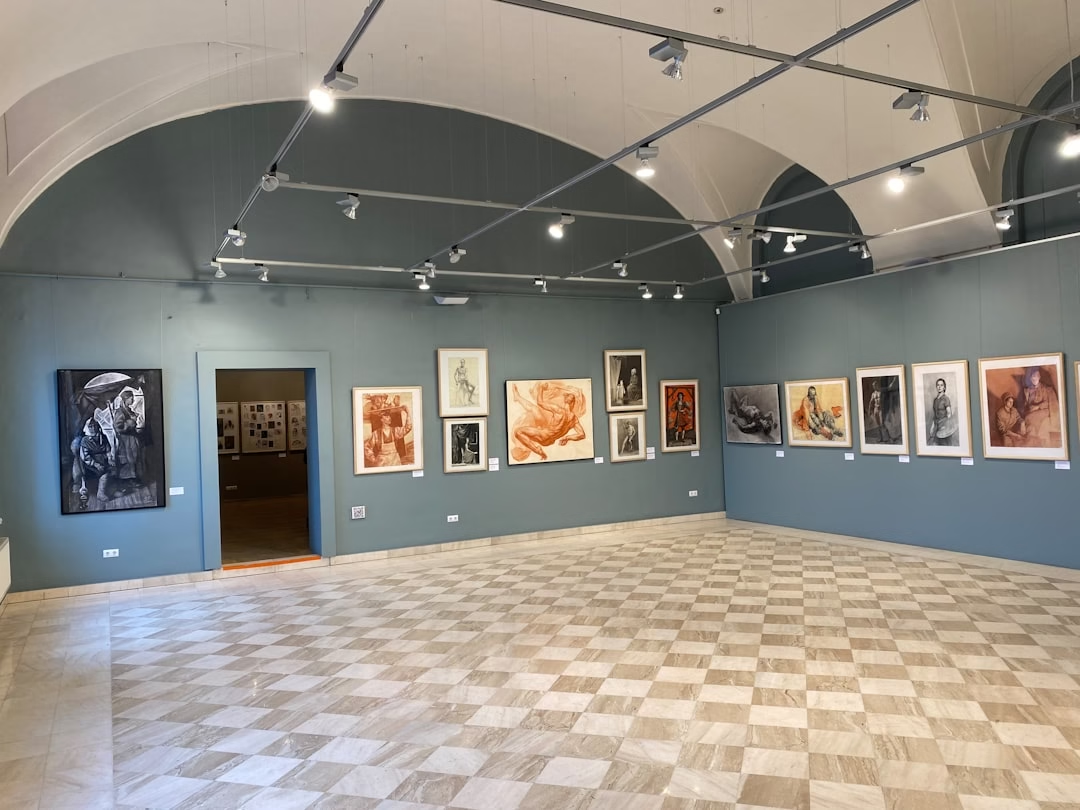
Introduction to Air Quality Monitoring in Museums
Museums serve as guardians of our cultural heritage, housing priceless artifacts and valuable objects that require meticulous care and preservation. One of the most critical aspects of this preservation effort is air quality monitoring, a sophisticated process that plays a vital role in protecting valuable artwork from environmental damage. Air quality monitoring in museums involves the continuous assessment and control of indoor air conditions to maintain an optimal environment for art conservation.
How museums use air quality monitors to protect valuable artwork is a complex process involving various technologies and best practices. These monitors are specialized devices designed to detect and measure various pollutants and environmental factors that can potentially harm artwork. By sampling the indoor air and analyzing it for specific contaminants, such as particulate matter, volatile organic compounds (VOCs), and gaseous pollutants, these devices provide real-time data on air quality. This information enables museum staff to take immediate action when environmental conditions deviate from the ideal range.
The common pollutants that threaten artwork in museums are diverse and can originate from both internal and external sources. Airborne pollutants, including dust particles, can settle on artwork surfaces, causing abrasion and discoloration over time. Chemical fumes, often emitted by cleaning products or construction materials, can react with pigments and materials used in artwork, leading to degradation. Other air pollutants include sulfur dioxide and nitrogen oxides from outdoor air pollution, which can penetrate museum environments and cause corrosion or fading of delicate materials.
The Importance of Air Quality for Art Preservation
Maintaining optimal air quality is essential for art preservation because even minor fluctuations in environmental conditions can have significant long-term effects on artwork. Poor indoor air quality can lead to a variety of degradation processes, including fading of pigments, embrittlement of materials, and corrosion of metals. These effects are often irreversible and can dramatically reduce the lifespan and value of priceless artifacts and precious objects.
Different types of art pieces are susceptible to various forms of degradation caused by poor air quality. For example, paintings and modern art can suffer from color fading and cracking of varnish layers when exposed to high levels of ultraviolet light or ozone. Textiles may become brittle and discolored when subjected to pollutants such as sulfur dioxide. Metallic artifacts are particularly vulnerable to corrosion caused by acidic gases in the air.
To address these concerns, museums adhere to strict indoor air quality standards. The American Society of Heating, Refrigerating and Air-Conditioning Engineers (ASHRAE) and the International Institute for Conservation of Historic and Artistic Works (IIC) provide guidelines for temperature, relative humidity, and pollutant levels in museum environments. These standards typically recommend maintaining temperature between 68-72°F (20-22°C), relative humidity between 45-55%, and keeping pollutant concentrations as low as possible, with specific limits for different types of contaminants.
Types of Air Quality Monitors Used in Museums
Museums employ a variety of air quality monitors to ensure comprehensive environmental control. Particulate matter sensors are commonly used to detect and measure airborne particles of various sizes, from fine dust to larger pollutants. These sensors can help identify potential sources of contamination and assess the effectiveness of air filtration systems.
Volatile Organic Compound (VOC) sensors are another crucial type of monitor used in museums. These devices detect gaseous organic compounds that can off-gas from materials used in construction, furnishings, or even the artwork itself. VOCs can cause chemical reactions that damage artwork, making their detection and control essential for preservation efforts.
Other specialized monitors include ozone sensors, which measure levels of this highly reactive gas that can cause significant damage to organic materials, and formaldehyde detectors, which are particularly important in museums with wooden artifacts or furniture. Wireless humidity sensors and temperature sensors are also integral components of museum air quality monitoring systems, as they help maintain stable environmental conditions crucial for artwork preservation.
The selection of air quality monitors for a specific museum environment depends on various factors, including the types of artwork on display, the building’s location and construction, and the local climate. For instance, the Metropolitan Museum or a European museum in an urban area might prioritize monitors that detect outdoor pollutants, while a museum housing primarily organic materials might focus on VOC and formaldehyde detection.
Impact of Pollutants on Artwork
Among the most harmful pollutants to artwork in museums are sulfur dioxide, nitrogen oxides, ozone, and particulate matter. These pollutants can interact with different materials used in artwork in various ways, often causing irreversible damage to cultural treasures. Sulfur dioxide, for example, can react with calcium carbonate in stone sculptures or paintings, forming gypsum crusts that can cause surface degradation. Nitrogen oxides can fade organic dyes and pigments, particularly in textiles and works on paper.
Organic acids, such as acetic acid and formic acid, are another significant concern in museum environments. These acids can off-gas from wood products, adhesives, and certain paints, potentially causing corrosion in metals and degradation of calcareous materials like shells or limestone artifacts. Indoor pollutants, ranging from fine dust to larger particles, can accumulate on artwork surfaces, causing abrasion and providing a substrate for harmful chemical reactions.
To protect artwork from these pollutants, museums implement various preventive conservation measures. Air filtration systems equipped with high-efficiency particulate air (HEPA) filters and activated carbon filters are commonly used to remove particulate matter and gaseous pollutants from the air. Creating microenvironments within display cases can also provide an additional layer of protection for particularly sensitive artifacts. Regular cleaning and maintenance of HVAC systems help prevent the buildup and circulation of pollutants within the museum space.
Best Practices for Maintaining Optimal Air Quality in Galleries
Effective air quality management in museums requires a comprehensive approach that combines continuous monitoring, proactive maintenance, and strategic interventions. Best practices include implementing a robust air quality monitoring system that provides real-time data on temperature, humidity, and pollutant levels throughout the museum’s indoor climate. This allows for rapid response to any deviations from ideal conditions in exhibition halls and storage areas.
Regular calibration and maintenance of air quality monitors ensure accurate readings and reliable performance. Museums should also develop and follow a detailed preventive maintenance schedule for HVAC systems, including regular filter replacements and duct cleaning to minimize the introduction and circulation of indoor air pollutants.
Technology plays a crucial role in maintaining optimal air quality. Advanced building management systems can integrate data from various sensors to automatically adjust ventilation, humidity control, and filtration systems. Some museums are now employing artificial intelligence and machine learning algorithms to predict and preemptively address potential air quality issues based on historical data and environmental patterns.
Technological Advances in Art Preservation
The field of art preservation has been transformed by technological advancements, particularly in the realm of air quality monitoring and control. One of the latest innovations is the development of miniaturized, wireless sensors that can be discreetly placed throughout museum spaces, providing granular data on environmental conditions without interfering with the aesthetic experience of visitors.
Smart filtration systems that adapt to changing air quality conditions in real-time are becoming increasingly common in museums. These systems can adjust their operation based on data from air quality monitors, optimizing energy usage while maintaining ideal conditions for artwork preservation.
Advanced spectroscopic techniques are now being used to detect and analyze pollutants at the molecular level, allowing for more precise identification of potential threats to artwork. This technology enables conservators to tailor their preservation strategies to the specific needs of individual artifacts and art pieces.
Museums and galleries maintain different environmental targets for different collection areas — paper archives, oil paintings, textiles, and metals each have distinct temperature and humidity thresholds where degradation accelerates. Meeting those requirements across an entire facility demands continuous, zone-specific monitoring rather than building-wide averages. The same infrastructure gap that leaves commercial offices without good environmental data affects many mid-sized museums that lack the budget for enterprise-grade collection management systems.
Nosy monitors temperature, humidity, CO2, tVOCs, and IAQ across commercial buildings and cultural facilities, with readings every five minutes and a web-based dashboard that shows conditions by zone. Sensors use a wireless Bluetooth mesh network that installs without wiring, making deployment practical across gallery spaces, storage areas, and archive rooms without construction disruption to collections. Museums, galleries, and archives looking for context on practical environmental monitoring for collection preservation can find a useful overview at Fractional BAS Explained.
Conclusion
Air quality monitors have become indispensable tools in the preservation of valuable artwork in museums. By providing continuous, accurate data on environmental conditions, these devices enable museum staff to maintain optimal conditions for art conservation, protecting priceless cultural heritage from the insidious effects of pollution and environmental fluctuations.
The key takeaways regarding how museums use air quality monitors to protect valuable artwork include the importance of comprehensive monitoring systems, the need for tailored solutions based on specific museum environments and collections, and the critical role of preventive measures in preserving artwork for future generations.
As environmental challenges continue to evolve and new threats to artwork emerge, it is crucial for museums to continue investing in air quality technology. By staying at the forefront of technological advancements in air quality monitoring and control, museums can ensure the long-term preservation of their collections, safeguarding our cultural treasures for generations to come. The integration of sophisticated air quality monitoring systems not only protects valuable objects but also enhances our understanding of conservation science, contributing to the broader field of cultural preservation and environmental monitoring in museums worldwide.
