
The hospitality industry is undergoing a profound transformation, driven by the integration of Internet of Things (IoT) technology. IoT refers to the network of interconnected devices that collect and exchange data, and its application in hotel management is reshaping the way facilities operate and interact with guests. IoT sensors, in particular, are at the forefront of this revolution, offering unprecedented opportunities for efficiency, personalization, and sustainability in hotel operations.
IoT sensors are small, smart devices that can detect and measure various environmental factors, from temperature and humidity to occupancy and energy consumption. In the context of hotel facilities management, these sensors serve as the eyes and ears of a smart building system, continuously gathering data that can be analyzed and acted upon in real-time. This capability is pivotal for the future of hotel management, as it enables proactive decision-making and automated responses to changing conditions.
Hotels around the world are increasingly integrating IoT sensors into their operations to enhance guest experiences and streamline management processes. For instance, the Hilton chain has implemented a “Connected Room” concept, where guests can control room settings through their smartphones, while the hotel management can monitor and optimize energy usage. Similarly, the Marriott group has embraced IoT to improve operational efficiency, using sensors to track linen and towel usage, reducing waste and improving inventory management.
The integration of IoT sensors in hotel facilities management addresses several key areas: operational efficiency, guest experience enhancement, sustainability and energy management, security and safety improvements, predictive maintenance, and data-driven decision making. By leveraging these technologies, hotels can not only reduce operational costs but also create more personalized and memorable experiences for their guests.
Operational Efficiency through IoT
IoT sensors are significantly contributing to operational efficiency in hotels by automating routine tasks, optimizing resource allocation, and providing real-time insights into various aspects of hotel operations. This technology-driven approach is particularly beneficial in areas such as housekeeping, maintenance, and guest services.
In housekeeping, IoT sensors can detect when a room is occupied or vacant, allowing for more efficient cleaning schedules. For example, motion sensors can alert staff when a guest has left the room, signaling that it’s ready for cleaning. This not only improves the timeliness of service but also reduces unnecessary disturbances to guests. Furthermore, smart inventory systems can track the usage of supplies like toiletries and linens, ensuring timely replenishment and reducing waste.
Maintenance operations benefit greatly from IoT integration. Sensors can monitor the performance of various hotel equipment, from air conditioning systems to elevators. By collecting data on equipment usage and performance, hotels can implement predictive maintenance strategies, addressing potential issues before they escalate into costly breakdowns. This proactive approach not only reduces downtime but also extends the lifespan of hotel assets.
Guest services are enhanced through IoT-enabled automation. Smart room systems can adjust lighting, temperature, and even window shades based on guest preferences or occupancy, ensuring optimal comfort while conserving energy. Voice-activated assistants in rooms can handle guest requests, reducing the workload on human staff and providing instant service.
The cost-benefit analysis of implementing IoT solutions in hotel operations is compelling. While the initial investment can be significant, the long-term savings in energy costs, labor efficiency, and maintenance expenses often justify the expenditure. For instance, a study by Deloitte found that hotels implementing IoT solutions could see energy savings of up to 20% and maintenance cost reductions of up to 30%.
Moreover, IoT enables more efficient use of staff time. With real-time data on room status, guest needs, and facility conditions, staff can be deployed more effectively, reducing idle time and improving productivity. This optimization can lead to significant labor cost savings without compromising service quality.
Remote monitoring solutions facilitated by IoT allow hotel managers to oversee operations from anywhere, enabling quicker response times to issues and more flexible management practices. Real-time data collection on various aspects of hotel operations provides managers with actionable insights, allowing for data-driven decisions that can further improve efficiency and guest satisfaction.
In essence, IoT sensors are transforming hotel operations from reactive to proactive models. By providing real-time data and enabling automated responses, these smart systems are helping hotels to optimize their resources, reduce costs, and deliver more consistent and efficient services to their guests.
Enhancing Guest Experience with IoT
The integration of IoT technology in hotels is revolutionizing the guest experience, offering unprecedented levels of personalization and convenience. Smart hotel technology is enabling properties to create unique, memorable stays that cater to individual preferences and needs.
One of the most significant ways IoT enhances guest experience is through smart room automation. Upon check-in, guests can find their rooms already set to their preferred temperature, lighting, and even entertainment options based on their profile or previous stays. For example, the Wynn Las Vegas has equipped all its rooms with Amazon Echo devices, allowing guests to control various room features using voice commands. This level of customization extends to other aspects of the stay, such as automated wake-up calls that not only alert the guest but also gradually adjust room lighting and temperature to ease the waking process.
IoT solutions are also improving the efficiency and personalization of guest services. Smart concierge systems, powered by AI and connected to various hotel systems, can provide instant responses to guest queries, make reservations, or process service requests. The Cosmopolitan of Las Vegas introduced “Rose,” a chatbot concierge that assists guests with everything from restaurant recommendations to towel requests, all through text messaging.
Predictive analytics in hospitality, fueled by data from IoT sensors, allows hotels to anticipate guest needs and preferences. By analyzing patterns in guest behavior and feedback, hotels can proactively offer services or amenities that align with individual tastes. For instance, if a guest frequently orders room service breakfast at a specific time, the hotel can proactively confirm the order or suggest new menu items that might appeal to the guest’s tastes.
Remote access control systems enhance both convenience and security for guests. Mobile key technologies allow guests to bypass the front desk and use their smartphones to access their rooms and other hotel facilities. Hilton’s Digital Key program, available at thousands of properties worldwide, is a prime example of this technology in action.
Cloud solutions for guest management enable hotels to create a seamless experience across different properties within a chain. Guest preferences and data can be securely stored and accessed across locations, ensuring consistent personalized service regardless of which property a guest visits.
The implementation of these IoT solutions gives hotels a competitive edge by offering experiences that go beyond traditional hospitality. Guests increasingly expect technology-enabled conveniences, and hotels that can deliver these experiences are more likely to earn loyalty and positive reviews.
However, it’s crucial for hotels to balance technology integration with the human touch that is fundamental to hospitality. IoT should enhance, not replace, personal interactions. The most successful implementations of IoT in guest experience are those that empower staff to provide better, more personalized service rather than eliminating human interaction altogether.
As IoT technology continues to evolve, we can expect even more innovative applications in enhancing guest experiences. From augmented reality guides to personalized in-room entertainment systems, the possibilities for creating unique and memorable stays are expanding rapidly. Hotels that successfully leverage these technologies to create guest-centric smart solutions will be well-positioned to thrive in the increasingly competitive hospitality landscape.
Sustainability and Energy Management
Sustainability has become a critical focus for the hospitality industry, and IoT sensors are playing a pivotal role in making hotels more environmentally friendly and energy-efficient. By providing real-time data and enabling automated controls, IoT technology is helping hotels reduce their carbon footprint while also cutting operational costs.
Energy management in hotels is one of the most significant areas where IoT sensors are making a substantial impact. Smart energy management systems use a network of sensors to monitor and control various aspects of a hotel’s energy consumption. These systems can detect occupancy in rooms and public spaces, automatically adjusting lighting, heating, ventilation, and air conditioning (HVAC) systems to optimize energy use without compromising guest comfort.
For example, the InterContinental Hotels Group (IHG) has implemented an IoT-based energy management system across many of its properties. This system uses occupancy sensors and smart thermostats to reduce energy waste in unoccupied rooms. When a guest checks out, the system automatically sets the room to an energy-saving mode, adjusting temperature and turning off unnecessary electrical devices. IHG reports that this system has helped reduce energy consumption by up to 15% in equipped properties.
IoT sensors also play a crucial role in water conservation efforts. Smart water management systems can detect leaks, monitor water usage patterns, and even adjust water pressure based on demand. Some hotels have implemented IoT-enabled showers that provide real-time feedback to guests about their water usage, encouraging more conscious consumption.
Sustainable hotel practices extend beyond energy and water management. IoT sensors are being used to optimize waste management processes. Smart waste bins equipped with fill-level sensors can alert staff when they need emptying, reducing unnecessary collections and improving recycling efforts. Some hotels are even using IoT to monitor food waste in their kitchens, helping chefs adjust purchasing and menu planning to minimize excess.
Eco-friendly hotel technologies powered by IoT are not just beneficial for the environment; they also contribute to significant cost savings. The Marriott International group, for instance, reported annual energy savings of 15-20% after implementing IoT-based energy management systems across their properties.
Predictive maintenance, enabled by IoT sensors, also contributes to sustainability efforts. By monitoring the performance of equipment and systems in real-time, hotels can address issues before they lead to energy-wasting malfunctions or complete breakdowns. This proactive approach not only saves energy but also extends the lifespan of equipment, reducing the need for replacements and the associated environmental impact.
Furthermore, IoT technology is enabling hotels to better engage guests in their sustainability initiatives. Some properties offer apps that gamify energy and water conservation, rewarding guests for eco-friendly behaviors. Others use digital displays in public areas to showcase real-time data on the hotel’s energy consumption and conservation efforts, raising awareness and encouraging participation in sustainability programs.
As sustainability becomes increasingly important to travelers, hotels that leverage IoT to improve their environmental performance gain a competitive advantage. According to a study by Booking.com, 73% of global travelers intend to stay at least once in an eco-friendly or green accommodation when looking at the year ahead. By using IoT to achieve and showcase their sustainability goals, hotels can attract this growing segment of environmentally conscious travelers.
The future of eco-friendly hotel technologies looks promising, with ongoing innovations in IoT sensors and analytics. From smart windows that automatically tint to reduce heat gain to AI-powered systems that optimize energy use based on weather forecasts and occupancy predictions, the potential for IoT to further enhance hotel sustainability is vast.
IoT sensors are revolutionizing sustainability and energy management in hotels, enabling properties to significantly reduce their environmental impact while also improving operational efficiency and guest satisfaction. As technology continues to evolve and sustainability remains a top priority for both hotels and guests, we can expect to see even more innovative applications of IoT in creating greener, more efficient hospitality experiences.
Security and Safety Enhancements
In the ever-evolving landscape of hotel management, security and safety remain paramount concerns. IoT sensors are playing an increasingly crucial role in enhancing these aspects of hotel operations, providing sophisticated solutions that protect both guests and assets while ensuring a seamless experience.
IoT sensors significantly improve security measures and emergency responses in hotels. Advanced access control systems, powered by IoT technology, allow for more secure and convenient entry methods. For instance, biometric scanners and mobile key technologies enable guests to access their rooms and other hotel facilities without traditional key cards, reducing the risk of lost or stolen keys. These systems also provide a digital trail of access attempts, enhancing overall security monitoring.
Video surveillance has been transformed by IoT integration. Smart cameras equipped with AI can detect unusual activities or unauthorized access attempts in real-time, alerting security personnel immediately. Some systems can even recognize faces or license plates, adding an extra layer of security to hotel premises. For example, the Wynn Palace in Macau uses an IoT-enabled video surveillance system that can track specific individuals across the property, significantly enhancing their ability to respond to security incidents quickly.
In terms of guest safety, IoT sensors play a vital role in emergency response systems. Smart smoke detectors and carbon monoxide sensors can not only trigger alarms but also alert staff and emergency services automatically. Some hotels have implemented IoT-based panic buttons for staff, enhancing employee safety, particularly for those working alone or in isolated areas.
Innovations in IoT for hotel security systems extend to protecting guest privacy as well. Advanced room occupancy sensors can detect the presence of unauthorized individuals in guest rooms, alerting security without the need for intrusive video surveillance within private spaces.
Data security is another critical area where IoT is making significant strides. As hotels collect more data through IoT devices, ensuring the protection of this information becomes crucial. Advanced encryption methods and secure cloud storage solutions are being implemented to safeguard guest data and hotel operations information from cyber threats.
Best practices for implementing IoT-based security solutions in hotels include:
1. Conducting regular security audits and updates of IoT systems to address potential vulnerabilities.
2. Training staff on the proper use of IoT security tools and protocols.
3. Implementing multi-factor authentication for accessing sensitive areas or data.
4. Ensuring all IoT devices are on a separate, secure network to isolate them from potential breaches.
5. Developing clear policies on data collection, storage, and usage to maintain guest trust and comply with privacy regulations.
The Marriott group, for instance, has implemented a comprehensive IoT security strategy across its properties, including end-to-end encryption for all IoT devices and strict access controls for both physical and digital assets.
IoT sensors also contribute to guest safety by monitoring environmental conditions. For example, water quality sensors can detect contaminants in real-time, ensuring safe drinking water for guests. Similarly, air quality monitors can alert staff to potential issues like mold or airborne allergens, allowing for prompt remediation.
In emergency situations, IoT systems can provide critical support. Smart building management systems can guide guests to safe exits during evacuations, adjusting lighting and using digital signage to indicate the safest routes. Some hotels are even exploring the use of IoT-enabled drones for security patrols and emergency response in large resort properties.
As IoT technology continues to evolve, we can expect to see even more sophisticated security and safety applications in hotels. From AI-powered threat detection systems to advanced guest authentication methods, the future of hotel security is increasingly intertwined with IoT innovation.
IoT sensors are revolutionizing security and safety in hotels by providing comprehensive, intelligent systems that protect guests and assets while enhancing the overall hotel experience. By leveraging these technologies, hotels can create safer environments, build guest trust, and stay ahead in an industry where security is non-negotiable.
Predictive Maintenance and IoT
Predictive maintenance, enabled by IoT technology, is transforming how hotels manage their facilities and equipment. This proactive approach to maintenance is helping hotels reduce downtime, extend the lifespan of their assets, and significantly cut maintenance costs.
Predictive maintenance in hotels leverages IoT sensors to continuously monitor the condition and performance of various equipment and systems. These sensors collect data on factors such as vibration, temperature, humidity, and energy consumption. Advanced analytics and machine learning algorithms then process this data to identify patterns and anomalies that may indicate potential issues or impending failures.
The benefits of predictive maintenance for hotel facilities management are numerous:
1. Reduced Downtime: By identifying potential issues before they cause breakdowns, hotels can schedule maintenance during off-peak hours, minimizing disruptions to guest services.
2. Cost Savings: Addressing problems early often requires simpler, less expensive repairs. Moreover, by avoiding major breakdowns, hotels can save on emergency repair costs and potential revenue loss from out-of-service facilities.
3. Extended Equipment Lifespan: Regular, timely maintenance based on actual equipment condition rather than fixed schedules can significantly extend the useful life of hotel assets.
4. Improved Guest Satisfaction: Ensuring that all facilities and amenities are in optimal working condition enhances the guest experience and reduces complaints.
5. Energy Efficiency: Predictive maintenance can identify when equipment is not operating at peak efficiency, allowing for adjustments that can lead to significant energy savings.
IoT sensors play a crucial role in enabling this predictive approach. For instance, vibration sensors on HVAC systems can detect subtle changes that might indicate wear and tear long before a human could notice any issues. Similarly, smart power meters can identify unusual energy consumption patterns that might signal problems with electrical systems or appliances.
Many hotels are already seeing the benefits of IoT-enabled predictive maintenance. The Hilton group, for example, has implemented a predictive maintenance system for its elevators across multiple properties. This system uses IoT sensors to monitor elevator performance and predict potential failures, reducing elevator downtime by up to 50% and significantly improving guest satisfaction.
Automated room controls, another aspect of IoT in hotels, also benefit from predictive maintenance. Smart thermostats, lighting systems, and even electronic door locks can be monitored for performance issues, ensuring they are always in optimal working condition for guests.
In addition to equipment-specific applications, IoT sensors contribute to overall building health monitoring. Sensors can detect issues like water leaks, air quality problems, or structural stress long before they become visible problems. This capability is particularly valuable for large hotel properties or historic buildings where early detection of maintenance issues is crucial.
The implementation of predictive maintenance strategies requires an initial investment in IoT infrastructure and analytics capabilities. However, the long-term benefits often far outweigh these costs. Hotels that have adopted these systems report maintenance cost reductions of up to 30% and significant improvements in equipment reliability.
Remote monitoring solutions, enabled by IoT, allow maintenance teams to oversee equipment performance from anywhere. This capability is particularly valuable for hotel chains, as it allows for centralized monitoring of multiple properties, optimizing maintenance resources across the organization.
As predictive maintenance technology continues to evolve, we can expect to see even more sophisticated applications in the hotel industry. Machine learning algorithms will become more accurate in predicting failures, and the integration of augmented reality technology could revolutionize how maintenance tasks are performed, providing technicians with real-time guidance and information.
Predictive maintenance powered by IoT sensors is a game-changer for hotel facilities management. By enabling a shift from reactive to proactive maintenance strategies, IoT is helping hotels to optimize their operations, reduce costs, and enhance guest satisfaction. As this technology becomes more sophisticated and widespread, it will undoubtedly become a standard feature in modern hotel management practices, further revolutionizing the industry.
Data Analytics and Decision Making
The integration of IoT sensors in hotel management has ushered in a new era of data-driven decision making. These sensors generate vast amounts of real-time data across various aspects of hotel operations, providing managers with unprecedented insights to improve efficiency, enhance guest experiences, and drive strategic decisions.
IoT contributes significantly to data-driven decision making in hotels by providing a continuous stream of accurate, real-time information. This data covers a wide range of operational areas, from occupancy rates and energy consumption to guest preferences and staff productivity. By analyzing this data, hotel managers can identify trends, predict future needs, and make informed decisions that optimize operations and improve guest satisfaction.
The types of actionable data provided by IoT sensors are diverse and valuable:
1. Occupancy Data: Sensors can track room occupancy in real-time, allowing for dynamic pricing strategies and efficient staff allocation.
2. Energy Consumption: Detailed energy usage data helps identify areas for conservation and guides sustainability initiatives.
3. Guest Behavior: Movement sensors and smart room controls provide insights into guest preferences and habits, informing personalized service offerings.
4. Equipment Performance: Data on the functioning of various hotel systems aids in predictive maintenance and resource allocation.
5. Environmental Conditions: Sensors monitoring air quality, temperature, and humidity help maintain optimal comfort levels and identify potential issues.
6. Staff Efficiency: IoT-enabled tracking of staff movements and task completion times can help optimize workflows and improve productivity.
Real-time data collection through IoT offers several key advantages for operational insights:
1. Immediate Response: Hotels can react quickly to changing conditions, such as sudden increases in occupancy or equipment malfunctions.
2. Trend Identification: Continuous data collection allows for the identification of patterns over time, informing long-term strategic decisions.
3. Personalization: Detailed guest data enables highly personalized services and targeted marketing efforts.
4. Resource Optimization: Real-time monitoring of resource usage (energy, water, supplies) allows for more efficient allocation and reduced waste.
Case studies of data-driven improvements in hotel operations and guest services abound. For instance, the Marriott group uses IoT data analytics to optimize its food and beverage operations. By analyzing data on guest preferences, time of day, and even weather conditions, they can predict demand more accurately, reduce food waste, and improve menu offerings.
Another example is the use of IoT data for dynamic pricing strategies. Hotels can adjust room rates in real-time based on occupancy data, local events, and even weather forecasts, maximizing revenue while maintaining competitive pricing.
In terms of guest services, data analytics powered by IoT can significantly enhance the guest experience. For example, the Hilton chain uses data from its connected room technology to understand guest preferences for room temperature, lighting, and entertainment options. This information is used to personalize room settings for returning guests automatically.
However, the effective use of IoT-generated data requires sophisticated analytics tools and skilled personnel. Many hotels are investing in AI and machine learning capabilities to process and interpret the vast amounts of data generated by IoT sensors. These technologies can identify patterns and insights that might be missed by human analysts, further enhancing the value of IoT data.
Privacy and data security are crucial considerations when leveraging IoT data. Hotels must ensure they have robust systems in place to protect guest information and comply with data protection regulations. Transparency about data collection and usage is also essential to maintain guest trust.
As IoT technology and data analytics capabilities continue to evolve, we can expect to see even more sophisticated applications in hotel management. Predictive analytics will become more accurate, allowing hotels to anticipate guest needs and market trends with greater precision. Integration with other emerging technologies, such as augmented reality and voice assistants, will create new opportunities for data-driven guest interactions and services.
IoT sensors are transforming hotel management by enabling data-driven decision making on an unprecedented scale. By providing real-time, actionable insights across all aspects of hotel operations, IoT is empowering managers to optimize efficiency, enhance guest experiences, and stay competitive in an increasingly technology-driven industry. As hotels continue to leverage these capabilities, we can expect to see further innovations in personalized services, operational efficiency, and strategic planning, all driven by the power of IoT-generated data.
IoT sensors in hotel facilities management deliver value primarily through the data they generate continuously, rather than through any single alert or reading. Predictive maintenance decisions and operational planning both depend on trend data across multiple parameters over time — and that requires sensors that log persistently, cover the zones where conditions vary, and make data accessible to the people who act on it without requiring physical visits or manual collection.
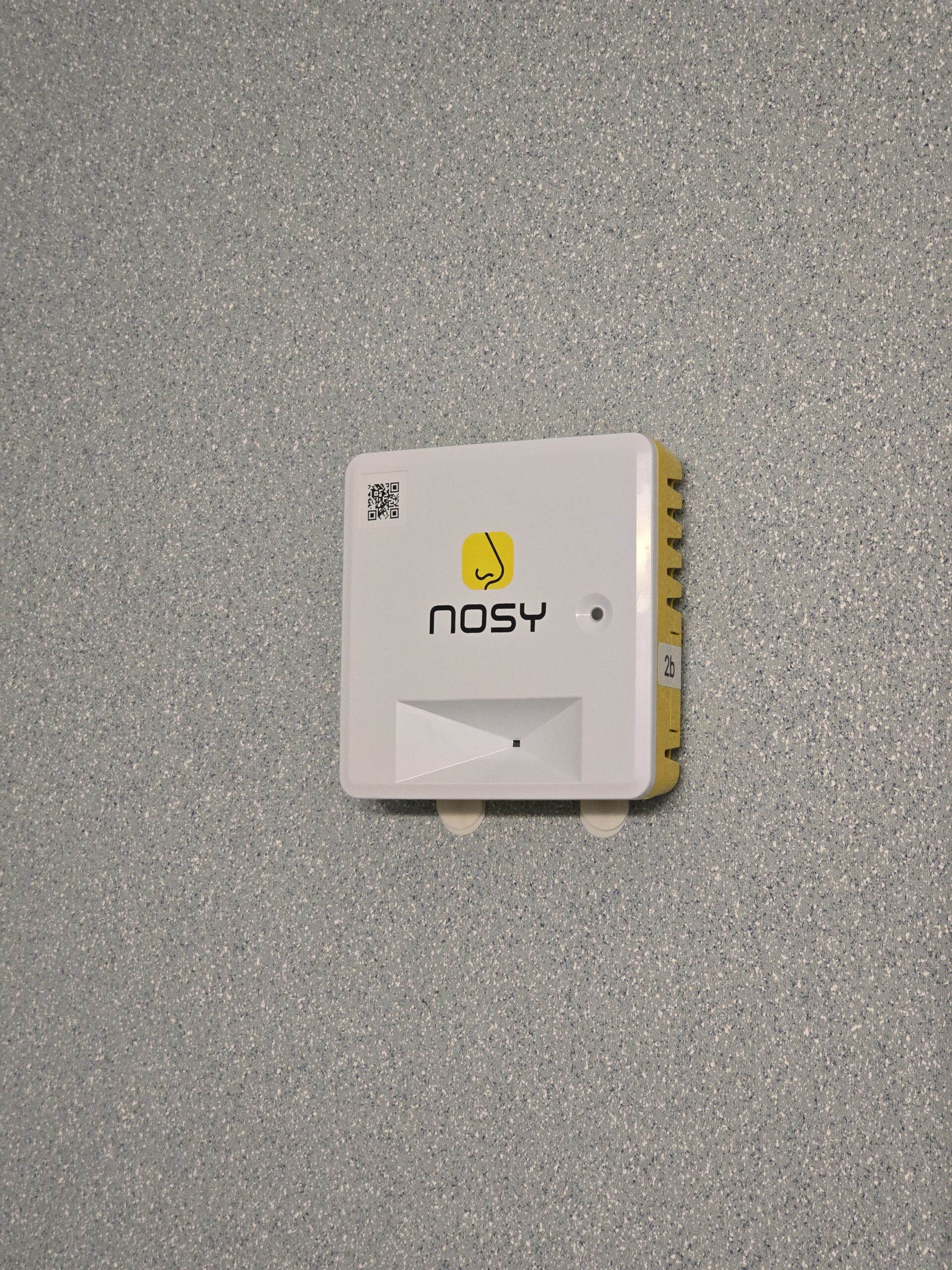
Nosy monitors CO2, temperature, humidity, tVOCs, and occupancy across hospitality properties, with readings every five minutes and a web-based dashboard that stores historical data for trend analysis and capital planning decisions. The continuous data record supports both real-time facilities response and the longer-term predictive maintenance analysis that IoT-driven hotel management requires. Hotel facilities managers and operations teams looking for context on IoT-based environmental monitoring can find a useful overview at Fractional BAS Explained.
Conclusion
The integration of IoT sensors in hotel facilities management represents a paradigm shift in the hospitality industry, revolutionizing operations, guest experiences, and decision-making processes. This comprehensive exploration has highlighted how IoT technology is transforming various aspects of hotel management, from enhancing operational efficiency and guest satisfaction to promoting sustainability and improving security.
IoT sensors have proven to be instrumental in streamlining hotel operations. By automating routine tasks, optimizing resource allocation, and providing real-time insights, these smart devices are helping hotels reduce costs, improve service quality, and increase overall efficiency. The ability to monitor and control various aspects of hotel operations remotely has given managers unprecedented flexibility and control.
In terms of guest experience, IoT technology has opened up new possibilities for personalization and convenience. Smart room automation, voice-controlled assistants, and mobile access solutions are just a few examples of how IoT is enhancing the guest stay. These technologies not only meet the growing expectations of tech-savvy travelers but also provide hotels with valuable data to further improve their services.
Sustainability and energy management have seen significant advancements through IoT integration. Smart energy management systems, water conservation technologies, and waste reduction solutions powered by IoT are helping hotels reduce their environmental impact while also cutting operational costs. This aligns well with the growing consumer demand for eco-friendly accommodation options.
Security and safety in hotels have been greatly enhanced by IoT sensors. From advanced access control systems to smart surveillance and emergency response solutions, IoT is providing more comprehensive and efficient security measures. These improvements not only protect guests and assets but also contribute to an overall sense of safety and trust.
Predictive maintenance enabled by IoT has transformed how hotels manage their facilities and equipment. By foreseeing potential issues before they escalate, hotels can reduce downtime, extend the lifespan of their assets, and significantly cut maintenance costs. This proactive approach ensures that hotel facilities are always in optimal condition, contributing to guest satisfaction and operational efficiency.
Perhaps one of the most transformative aspects of IoT in hotel management is its contribution to data-driven decision making. The wealth of real-time data provided by IoT sensors, when properly analyzed, offers unprecedented insights into every aspect of hotel operations. This data-driven approach enables more accurate forecasting, personalized guest services, and strategic planning.
For hotels considering IoT integration, several key takeaways emerge:
1. Start with a clear strategy: Identify specific operational challenges or guest experience improvements that IoT can address.
2. Prioritize data security and privacy: Implement robust security measures and be transparent about data collection and usage.
3. Focus on integration: Ensure new IoT solutions can integrate seamlessly with existing systems and processes.
4. Invest in analytics capabilities: The true value of IoT lies in the insights derived from data analysis.
5. Train staff adequately: Ensure that employees are well-versed in using and leveraging IoT technologies.
6. Keep the human touch: While automating processes, maintain the personal interactions that are crucial to hospitality.
Looking to the future, the potential for smart hotel technology and IoT applications seems boundless. We can anticipate further advancements in AI and machine learning integration, more sophisticated predictive analytics, and even greater personalization of guest experiences. The continued miniaturization and cost reduction of IoT sensors will likely lead to their even more widespread adoption across all aspects of hotel operations.
Moreover, as IoT technology becomes more prevalent, we may see the emergence of fully connected “smart hotels” where every aspect of the property is optimized through IoT integration. This could lead to new business models and guest experiences that we can hardly imagine today.
IoT sensors are indeed revolutionizing hotel facilities management, offering solutions to long-standing challenges while opening up new opportunities for innovation and guest satisfaction. As the technology continues to evolve, hotels that successfully leverage IoT will likely find themselves at a significant competitive advantage, able to offer more efficient operations, enhanced guest experiences, and more sustainable practices. The future of hospitality is undoubtedly intertwined with the continued development and integration of IoT technology.
