
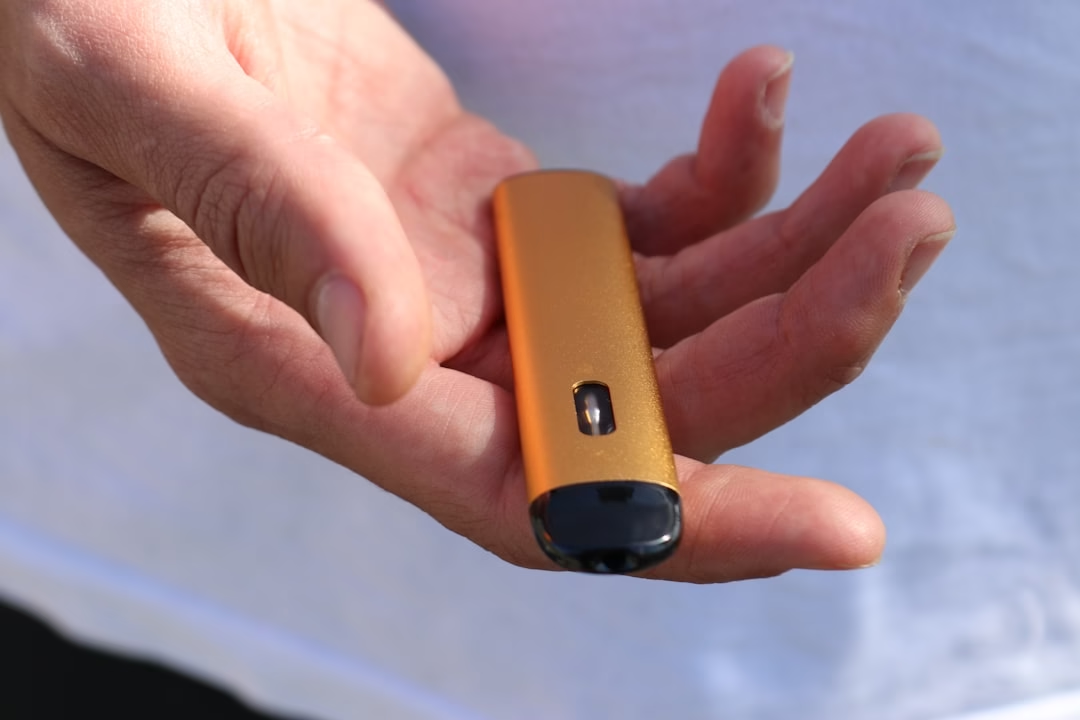
In recent years, the rise of vaping among students has become a significant concern for educational institutions across the United States. As the popularity of e-cigarettes and other vaping devices continues to grow, schools are facing unprecedented challenges in maintaining a safe and healthy learning environment. The need for effective vape detection solutions has never been more crucial, as these technologies play a vital role in protecting students from the harmful effects of vaping and ensuring a secure campus atmosphere.
Vape detection is essential in schools for several reasons. Firstly, it helps administrators identify and address vaping incidents promptly, reducing the risk of addiction and health problems among students. Secondly, it acts as a deterrent, discouraging students from engaging in vaping activities on school premises. Lastly, vape detection solutions contribute to a safer learning environment by maintaining air quality and reducing the exposure of non-vaping students to potentially harmful secondhand aerosols.
The implementation of comprehensive vape detection solutions in educational facilities has shown promising results in combating the vaping epidemic. These systems utilize advanced sensors and monitoring technologies to detect vaping activities in real-time, allowing school staff to respond quickly and effectively. By integrating vape detection into existing safety protocols, schools can create a more comprehensive approach to student well-being and campus security.
Recent advancements in vape detection technology have led to more sophisticated and accurate systems tailored specifically for educational settings. Modern solutions now incorporate features such as real-time alerts, data analytics, and integration with other school safety systems. Some cutting-edge devices can even differentiate between various types of vaping substances, providing valuable information for intervention and prevention efforts.
As the vaping landscape continues to evolve, so do the technologies designed to combat it. Schools are increasingly turning to multi-sensor systems that combine vape detection with air quality monitoring, ensuring a holistic approach to maintaining a healthy indoor environment. These integrated solutions not only detect vaping incidents but also provide valuable data on overall air quality, helping schools address a wider range of environmental health concerns.
Understanding the Health Risks of Vaping for Students
The health risks associated with vaping among students are significant and far-reaching. Both short-term and long-term effects can have severe consequences on a young person’s physical and mental well-being. In the short term, students who vape may experience respiratory irritation, coughing, and increased heart rate. More alarmingly, there have been cases of severe lung injuries linked to vaping, some of which have resulted in hospitalization and even death.
Long-term health risks of vaping are still being studied, but early research suggests potential damage to lung tissue, increased risk of cardiovascular disease, and impaired brain development in adolescents. The highly addictive nature of nicotine, which is present in most vaping products, poses a particular threat to young people whose brains are still developing. This addiction can lead to lifelong dependence and increased susceptibility to other substance abuse issues.
The impact of vaping extends beyond physical health, affecting student performance and behavior in school. Studies have shown that students who vape are more likely to experience difficulties with concentration and memory, which can directly impact academic performance. Additionally, the act of vaping and the associated nicotine addiction can lead to increased absenteeism, as students may skip classes to satisfy their cravings or deal with withdrawal symptoms.
Behavioral issues related to vaping are also a growing concern in educational settings. Students caught vaping may face disciplinary actions, leading to a strained relationship with school authorities and potential suspension or expulsion. The secretive nature of vaping can also foster a culture of dishonesty and rule-breaking, which can have broader implications for school climate and student behavior.
It is crucial for schools to address the health risks of vaping proactively. Educational institutions play a vital role in protecting students’ health and well-being, and vaping prevention should be a key component of this responsibility. By implementing comprehensive vape detection solutions and educational programs, schools can create an environment that discourages vaping and promotes overall health awareness.
Effective vaping prevention in schools goes beyond simply punishing offenders. It requires a multi-faceted approach that includes education, support, and intervention. Schools should provide accurate information about the dangers of vaping, offer counseling and cessation programs for students struggling with addiction, and create a supportive environment that encourages healthy choices.
The Role of Vape Detection Technology in School Safety
Vape detection technology has emerged as a crucial tool in enhancing school safety and combating the vaping epidemic. These systems work by continuously monitoring the air for specific chemical signatures associated with vaping aerosols. When vaping is detected, the system alerts school staff, allowing for immediate intervention and follow-up.
The primary benefit of vape detection systems is their ability to identify vaping incidents in real-time, often in areas where traditional surveillance methods may be limited or inappropriate, such as bathrooms and locker rooms. This immediate detection enables school staff to respond quickly, potentially preventing further vaping incidents and addressing any health concerns that may arise.
Effective vape detection devices for schools typically include several key features. High-sensitivity sensors capable of detecting a wide range of vaping substances are essential for accurate monitoring. Real-time alerts sent to designated staff members via mobile apps or central monitoring systems ensure prompt response. Some advanced systems also include data logging and analytics capabilities, allowing schools to track trends and adjust their prevention strategies accordingly.
When comparing different vape detection devices, schools should consider factors such as detection accuracy, false alarm rates, and integration capabilities with existing security systems. Some devices offer additional features like air quality monitoring, which can provide valuable data on overall environmental health within the school.
Implementing vape detection technology as part of a comprehensive school safety plan requires careful planning and coordination. Schools should start by conducting a thorough assessment of their specific needs and identifying high-risk areas for vaping. The installation of detection devices should be strategic, covering key locations while respecting student privacy.
Integration with existing safety protocols is crucial for the success of vape detection initiatives. This may involve training staff on how to respond to alerts, establishing clear procedures for addressing vaping incidents, and updating school policies to reflect the use of detection technology. It’s also important to communicate with students and parents about the implementation of these systems, emphasizing their role in maintaining a safe and healthy school environment.
As vape detection technology continues to evolve, schools may need to periodically reassess and upgrade their systems to ensure they remain effective against new vaping products and techniques. Regular maintenance and calibration of detection devices are also essential to maintain their accuracy and reliability over time.
Legal and Compliance Aspects of Vaping in Schools
Navigating the legal landscape of vaping prevention in schools can be complex, as regulations vary at federal, state, and local levels. At the federal level, the Food and Drug Administration (FDA) has implemented regulations prohibiting the sale of e-cigarettes to minors and requiring warning labels on vaping products. However, the specific requirements for vape detection and prevention in schools are often determined at the state and local levels.
Many states have enacted laws that prohibit the use of e-cigarettes on school grounds and require schools to implement anti-vaping policies. These laws may also mandate education programs on the dangers of vaping and specify penalties for students caught vaping on campus. School administrators must stay informed about these regulations to ensure their vape detection and prevention efforts follow all applicable laws.
When implementing vape detection solutions, schools must consider several compliance issues. Privacy concerns are paramount, especially when installing detection devices in sensitive areas like bathrooms. Schools must ensure that their use of vape detection technology does not violate students’ rights to privacy or run afoul of surveillance laws. This may involve careful placement of devices and clear communication about their purpose and use.
Another compliance consideration is the handling of data collected by vape detection systems. Schools must ensure that any information gathered is stored securely and used only for its intended purpose of maintaining school safety. This may involve developing data protection policies and training staff on proper data handling procedures.
To navigate these legal and compliance challenges, schools should consider the following best practices:
- Consult with legal counsel to ensure that vape detection initiatives comply with all relevant laws and regulations.
- Develop clear policies and procedures for the use of vape detection technology, including guidelines for responding to alerts and handling student privacy.
- Communicate transparently with students, parents, and staff about the implementation of vape detection systems and their purpose in maintaining school safety.
- Regularly review and update vaping policies to reflect changes in technology and legal requirements.
- Ensure that disciplinary actions related to vaping incidents are consistent with school policies and applicable laws.
By adhering to these practices, schools can implement effective vape detection solutions while minimizing legal risks and maintaining compliance with relevant regulations.
Parental Involvement in Vaping Prevention
The role of parents in vaping prevention efforts cannot be overstated. Parental involvement is crucial in reinforcing the messages and policies implemented by schools, creating a united front against youth vaping. When parents are well-informed about the risks of vaping and actively engaged in prevention efforts, the likelihood of success in reducing student vaping rates increases significantly.
Schools can engage parents in vaping awareness and prevention programs through various strategies. Hosting informational sessions or workshops for parents can help educate them about the latest vaping trends, health risks, and warning signs of vaping use. These sessions can also provide parents with tools and strategies for discussing vaping with their children and setting clear expectations at home.
Regular communication between schools and parents is essential for effective vaping prevention. This can include newsletters, emails, or dedicated sections on the school website that provide updates on vaping trends, school policies, and prevention initiatives. Schools may also consider creating parent advisory committees focused on substance abuse prevention, including vaping, to foster ongoing collaboration and input from the parent community.
To support parents in addressing vaping with their children, schools can provide a range of resources. These may include fact sheets on the health risks of vaping, guides for recognizing signs of vaping use, and tips for having productive conversations about vaping with teens. Schools can also compile lists of local support services, such as counseling or cessation programs, that parents can access if they suspect their child is struggling with vaping addiction.
Encouraging open dialogue between parents and children about vaping is crucial. Schools can provide conversation starters or discussion guides to help parents initiate these important talks. Additionally, schools might consider organizing parent-child workshops or activities focused on vaping prevention, fostering a collaborative approach to addressing this issue.
By actively involving parents in vaping prevention efforts, schools can create a more comprehensive and effective approach to combating youth vaping. This partnership between schools and parents reinforces the importance of a vape-free lifestyle and provides students with consistent messaging and support both at school and at home.
Developing Effective School Policies on Vaping
Creating comprehensive and enforceable vaping policies is a critical step in addressing the vaping epidemic in schools. Effective policies should be clear, consistent, and aligned with the school’s overall health and safety goals. Key components of strong school vaping policies include:
- Clear definitions of prohibited items and behaviors, including all types of vaping devices and associated products.
- Specific consequences for policy violations, with a focus on education and support rather than purely punitive measures.
- Guidelines for staff on how to identify and respond to vaping incidents.
- Procedures for confiscating and disposing of vaping devices and products.
- Integration with existing substance abuse and health education programs.
- Provisions for regular policy review and updates to address new vaping trends and technologies.
Enforcing vaping policies among students requires a balanced approach that combines consistent application of consequences with education and support. Schools should train staff on how to recognize signs of vaping and respond appropriately to incidents. This may include visual inspections of common vaping areas, monitoring for telltale odors, and being alert to changes in student behavior that may indicate vaping use.
When vaping incidents occur, schools should have a clear protocol for addressing the situation. This may involve confiscating the device, notifying parents, and implementing appropriate disciplinary measures. However, it’s essential to pair these actions with educational interventions and support services to address the underlying reasons for vaping and help students make healthier choices.
The role of vaping policies in prevention and awareness cannot be underestimated. Well-communicated policies serve as a deterrent by clearly outlining the consequences of vaping on school grounds. They also raise awareness among students, staff, and parents about the school’s stance on vaping and its commitment to maintaining a healthy learning environment.
To maximize the impact of vaping policies, schools should ensure that all stakeholders are aware of and understand the policies. This can be achieved through regular communication, inclusion in student handbooks, and discussion during orientation sessions. Schools may also consider having students and parents sign acknowledgment forms indicating they have read and understood the vaping policy.
Regularly reviewing and updating vaping policies is crucial to ensure they remain effective in the face of evolving vaping trends and technologies. Schools should stay informed about new vaping products and methods and adjust their policies accordingly. Involving students, parents, and staff in the policy review process can help ensure that policies are comprehensive, fair, and reflective of the school community’s needs and values.
Vape detection programs in schools work best when they’re part of a broader environmental monitoring strategy rather than a standalone sensor network focused on a single event type. tVOC monitoring, CO2 tracking, and humidity readings together give facilities teams a richer picture of air quality across the building, and that data supports both the specific concerns around vaping and the broader IAQ baseline that informs HVAC adjustments, ventilation scheduling, and health policy discussions with parents and administrators.
Nosy monitors CO2, temperature, humidity, tVOCs, and occupancy across educational facilities, with readings every five minutes and a web-based dashboard that shows conditions by zone and building. At a K-12 school in Rhode Island, persistent monitoring identified a 41% increase in student absenteeism correlated with low indoor humidity, a finding that shaped subsequent HVAC and ventilation decisions. Schools developing comprehensive IAQ programs alongside other air quality efforts can find more at Nosy for Schools.
Conclusion
Comprehensive vape detection solutions offer numerous benefits to educational facilities in their efforts to combat youth vaping and maintain a safe, healthy learning environment. These technologies provide real-time monitoring and alerts, enabling prompt intervention and prevention of vaping incidents. By integrating vape detection systems with other safety measures and educational programs, schools can create a multi-faceted approach to addressing the complex issue of student vaping.
Key takeaways for schools considering vape detection technology include the importance of thorough planning and assessment of specific needs, the need for clear policies and procedures surrounding the use of detection systems, and the value of ongoing evaluation and adjustment of prevention strategies. Schools should also prioritize communication and collaboration with all stakeholders, including students, parents, and staff, to ensure the success of their vaping prevention efforts.
Effectively integrating vaping prevention into school safety and health programs requires a holistic approach that combines technology, education, policy, and community involvement. Schools should view vape detection as one component of a broader strategy that includes comprehensive health education, support services for students struggling with addiction, and ongoing awareness campaigns.
The future of vaping prevention in educational settings will likely see continued innovation in detection technologies and prevention strategies. As vaping trends evolve, schools must remain vigilant and adaptable in their approach to protecting student health and safety. This may involve exploring new technologies, such as artificial intelligence-powered detection systems or integrated air quality monitoring solutions.
Community involvement will continue to play a crucial role in successful vaping prevention efforts. Schools should strive to foster partnerships with local health organizations, law enforcement agencies, and community groups to create a united front against youth vaping. By leveraging these relationships, schools can access additional resources, expertise, and support in their prevention efforts.
