
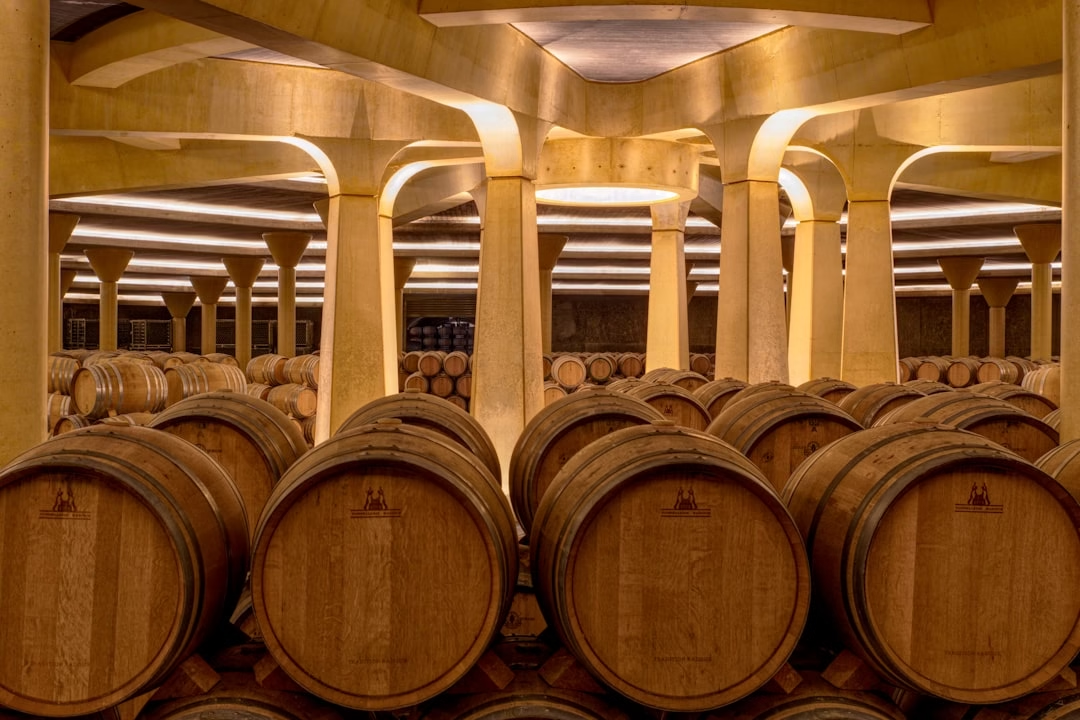
Distilleries face a critical challenge that directly impacts their bottom line and product quality. Climate monitoring accuracy determines whether a batch transforms into premium spirits or becomes an expensive mistake. Temperature fluctuations of just a few degrees can alter fermentation rates, while humidity variations affect aging processes in ways that change flavor profiles forever. The stakes remain high because distillers cannot afford to discover problems after months or years of aging. Sensor placement strategies: maximizing accuracy in distillery climate monitoring represents the foundation for operational efficiency in modern facilities.
Strategic sensor placement throughout a facility enables operators to receive reliable sensor measurements that inform critical decisions. Poor placement creates blind spots where environmental conditions drift unnoticed, leading to batch inconsistencies and wasted resources. When facilities place sensors in optimal locations, they capture representative data that reflects true environmental conditions. The difference between average and exceptional monitoring often comes down to understanding where each sensor node should live within the complex environment of a distillery. Multiple sensors working together provide comprehensive coverage that single-point monitoring cannot achieve.
Environmental interference poses one of the most significant obstacles to accurate sensor readings. Heat sources from stills, cooling equipment, and even sunlight through windows create microclimates that skew sensor data. Airflow patterns shift throughout the day as doors open and ventilation systems cycle on and off. Physical constraints add another layer of complexity since distilleries contain equipment, barrels, and structural elements that block wireless sensor signals or create dead zones. Successfully navigating these challenges requires a thoughtful sensor placement strategy that considers the unique characteristics of each facility and the specific requirements of different production areas. Air quality concerns further complicate the optimization problem, as alcohol vapors and other airborne particles can affect both sensor performance and environmental conditions.
Key Factors Influencing Sensor Placement
Environmental factors create the framework for effective sensor deployment throughout distillery operations. Temperature gradients develop naturally in production spaces, with warm air rising near stills and cool pockets forming near floors or exterior walls. These variations mean that a single sensor cannot accurately represent conditions throughout an entire room. Temperature mapping studies reveal the complexity of thermal distribution in distilleries, showing that sensor location dramatically affects the accuracy of measurements. Humidity levels fluctuate based on evaporation from fermentation tanks, condensation on cool surfaces, and moisture introduced through raw materials. Each humidity sensor must occupy a position where it captures representative moisture levels without direct exposure to liquids that compromise sensor measurements.
Distillery architecture shapes the sensor network design in fundamental ways that influence optimal sensor placement. Ceiling heights affect thermal stratification, with taller spaces showing more pronounced temperature differences between upper and lower zones. Wall materials and insulation quality determine how outdoor conditions penetrate indoor spaces. Equipment layout creates physical barriers that segment spaces into distinct environmental zones requiring strategic placement of sensor nodes. A facility with open floor plans demands different monitoring strategies than one divided into smaller, enclosed rooms. Designers must map these architectural features before determining where to place sensors for maximum coverage and accuracy.
The proposed approach to sensor selection drives placement decisions because different technologies excel at specific measurement tasks. Contact temperature sensors need direct exposure to the air or surface they monitor, while wireless sensor networks offer flexibility in deployment without the constraints of hardwired installations. Humidity sensors perform best when protected from direct contact with liquids yet positioned where they capture representative moisture levels across a wide range of conditions. Some devices combine multiple sensing capabilities, reducing the total number of sensor installations needed but requiring strategic sensor placement that accommodates all measurement functions. Understanding these technical requirements prevents sensor failures and ensures that each sensor position optimizes data quality rather than compromising accuracy. The practical application of these principles determines whether a monitoring system delivers reliable information or creates false confidence through flawed sensor data.
Strategies for Optimizing Sensor Networks
Network optimization begins with comprehensive coverage that eliminates monitoring gaps through strategic sensor placement across critical production areas. Distilleries should identify control points where environmental conditions most directly affect product quality and operational efficiency. Fermentation areas demand close monitoring because temperature variations alter yeast activity and flavor development. The sensor placement strategy for these spaces must account for heat generation from active fermentation and ensure that temperature mapping captures variations throughout the fermenting volume. Aging warehouses need multiple sensors distributed vertically and horizontally since barrel positions create diverse microenvironments that single-point monitoring cannot adequately represent.
Production spaces near stills require heat-resistant sensor installations positioned to capture both process temperatures and ambient conditions without exposing equipment to damage. Each sensor node within these environments must withstand harsh conditions while maintaining accurate measurements over extended periods. The optimization problem extends beyond simply adding more devices since excessive sensor deployment creates data management challenges without proportional accuracy improvements. Instead, facilities should focus on optimal placement that balances coverage completeness with system complexity and maintenance requirements.
Real-time monitoring systems deliver immediate visibility into environmental conditions through continuous sensor data transmission, enabling rapid responses to emerging issues. When sensor networks transmit information automatically, operators detect problems within minutes rather than hours or days. This immediacy proves invaluable during critical production phases when conditions must remain within tight specifications. Dashboard displays aggregate sensor readings from multiple locations, revealing patterns and trends that individual measurements might miss. Alerts notify staff when sensor data drifts outside acceptable ranges, preventing small issues from becoming major problems that compromise product quality or operational efficiency.
Predictive maintenance transforms sensor networks from reactive tools into proactive systems that anticipate equipment needs before failures occur. Historical sensor measurements reveal seasonal patterns, equipment performance cycles, and the relationship between environmental conditions and product outcomes. Machine learning algorithms identify subtle correlations in sensor data that human observers might overlook. When artificial intelligence software detects patterns that typically precede equipment failures, maintenance teams can intervene before breakdowns disrupt operations. This approach reduces unplanned downtime and extends equipment life while improving overall efficiency. Predictive capabilities also optimize energy consumption by identifying opportunities to adjust climate control systems based on actual sensor readings rather than fixed maintenance schedules. The integration of these advanced analytical tools with wireless sensor networks creates an IoT ecosystem that continuously improves monitoring accuracy and operational performance.
Best Practices for Sensor Calibration
Calibration maintains sensor accuracy over time because all measurement devices drift from their original specifications regardless of initial quality. Even premium sensor installations experience gradual changes in sensitivity due to exposure to environmental conditions, physical aging, and contamination from alcohol vapors. Without regular calibration, sensor readings become increasingly unreliable, undermining the entire monitoring system and compromising the accuracy of temperature mapping studies. Distillery environments present particular challenges since the combination of temperature extremes, humidity variations, and chemical exposure accelerates sensor degradation. Recognizing that calibration represents an ongoing commitment rather than a one-time task separates effective monitoring programs from inadequate ones.
The maintenance schedule for sensor calibration depends on device type, environmental factors, and accuracy requirements specific to each sensor location. Manufacturers typically recommend calibration intervals, but distillery conditions may necessitate more frequent attention to maintain optimal sensor placement effectiveness. Temperature sensors in harsh environments near stills might need quarterly calibration, while those in stable aging areas could operate reliably with annual checks. Humidity sensors generally require more frequent calibration than temperature monitoring devices because moisture exposure affects their performance more dramatically. Creating a comprehensive maintenance schedule prevents neglect while avoiding unnecessary service interruptions that compromise data availability.
Effective calibration techniques ensure reliable sensor measurements without disrupting operations or requiring additional sensor installations as temporary replacements. Many modern wireless sensor systems support in-place calibration using reference standards brought to the sensor position, minimizing downtime and maintaining monitoring continuity. This approach proves particularly valuable for sensor networks with numerous nodes distributed throughout facilities. Alternatively, sensors can be removed for laboratory calibration against traceable standards, though this method requires careful planning to avoid gaps in environmental monitoring. Calibration protocols should verify sensor performance across the full operating range rather than at a single point, revealing accuracy issues that might otherwise remain hidden. Staff training ensures that maintenance procedures follow consistent methods, reducing variability in sensor readings and supporting long-term data quality. Maintaining detailed calibration records demonstrates due diligence and supports quality assurance programs while helping identify sensor installations that consistently drift, signaling the need for replacement or repositioning.
Innovations in Sensor Technology and Monitoring Systems
Recent sensor technology advancements deliver capabilities that make strategic sensor placement more effective than ever before. Miniaturization allows sensor nodes to fit into spaces previously considered inaccessible, providing monitoring coverage in tight corners or within equipment assemblies where environmental factors create unique measurement challenges. Improved accuracy means modern sensor installations detect smaller environmental changes, enabling finer process optimization. Extended battery life for wireless sensor networks reduces maintenance burdens and makes long-term deployments more practical across a wide range of applications. Enhanced durability protects sensor hardware from harsh distillery conditions, including alcohol vapors, temperature extremes, and physical impacts that previously caused frequent sensor failures.
Internet of Things solutions revolutionize how distilleries collect, analyze, and respond to sensor data through integrated IoT ecosystems. Connected sensor networks transmit information automatically, eliminating manual data collection and the errors it introduces while improving operational efficiency. Cloud-based platforms aggregate sensor measurements from multiple locations, supporting multi-site operations with centralized oversight of temperature mapping and environmental monitoring. Integration with other business systems allows sensor data to inform production planning, quality control, and inventory management decisions. Mobile applications give operators access to sensor readings anywhere, supporting faster decision-making based on real-time environmental conditions. Automated reporting generates compliance documentation without manual effort, reducing administrative burden while improving accuracy of maintenance schedules and calibration records.
Artificial intelligence transforms how facilities interpret sensor data and optimize placement strategies. Machine learning algorithms analyze patterns across multiple sensors to identify optimal sensor placement configurations that maximize coverage while minimizing redundancy. These systems can predict where additional sensor nodes would provide the greatest improvement in monitoring accuracy, solving the complex optimization problem of sensor network design. Advanced analytics distinguish between normal environmental variations and genuine issues requiring intervention, reducing false alarms that undermine operator confidence. The proposed approach for future sensor networks integrates artificial intelligence at every level, from initial placement planning through ongoing operational adjustments based on accumulated sensor measurements.
Future trends point toward even more sophisticated monitoring capabilities that enhance the practical application of sensor networks in distilleries. Energy harvesting technologies may eliminate batteries entirely, powering wireless sensor nodes from ambient light, temperature differences, or mechanical vibrations. Advanced materials will create sensor installations that resist fouling and degradation better than current designs, extending intervals between maintenance activities. Distributed sensor networks will employ mesh communication, where devices relay signals through each other, extending range and improving reliability of wireless sensor systems. These developments will make temperature mapping studies more comprehensive, sensor measurements more accurate, and overall monitoring systems more affordable and easier to maintain across diverse distillery environments.
Implementing Sustainable Practices through Smart Monitoring
Sensor networks contribute significantly to sustainability in distillery operations by revealing opportunities to reduce resource consumption through enhanced operational efficiency. Precise climate monitoring through strategic sensor placement enables right-sizing of heating, ventilation, and air conditioning systems, preventing energy waste from over-conditioning spaces. Data-driven insights from sensor measurements identify periods when reduced climate control maintains adequate environmental conditions, lowering utility costs without compromising product quality. Detection of equipment inefficiencies through continuous sensor data guides maintenance priorities, ensuring that HVAC systems and other machinery operate at peak performance levels. When operators understand the relationship between environmental factors and product outcomes through comprehensive temperature mapping and sensor readings, they optimize processes to minimize waste while maintaining consistent quality standards.
Environmental benefits extend beyond energy savings to encompass broader ecological impacts that position distilleries as responsible corporate citizens. Reduced energy consumption decreases greenhouse gas emissions associated with facility operations, supporting climate change mitigation efforts. Improved process optimization through accurate sensor measurements minimizes batch failures, preventing the waste of water, grains, and other raw materials. Early detection of equipment problems through predictive maintenance avoids refrigerant leaks and other environmental releases that harm air quality. Better humidity control through precise humidity sensor monitoring reduces mold growth, decreasing the need for cleaning chemicals that create disposal challenges. Documentation of environmental performance using sensor data supports sustainability reporting and demonstrates corporate responsibility to stakeholders who increasingly value ecological stewardship.
Technology enables the adoption of sustainable practices that would be impractical without accurate monitoring from well-designed sensor networks. Renewable energy integration requires precise load management that wireless sensor systems facilitate through real-time data on energy consumption patterns. Variable-speed drives on HVAC equipment need feedback from multiple sensors across a wide range of operating conditions to optimize performance and efficiency. Heat recovery systems depend on temperature monitoring to identify opportunities for waste heat utilization, turning waste into productive energy. Natural ventilation strategies require real-time sensor data to determine when outdoor environmental conditions suit passive cooling approaches. Smart monitoring through optimal sensor placement and advanced analytics transforms sustainability from an aspirational goal into an achievable reality supported by concrete sensor measurements and automated systems that continuously improve operational efficiency while reducing environmental impact.
Conclusion
Effective sensor placement strategies deliver transformative benefits for distillery climate monitoring by maximizing accuracy through thoughtful deployment of sensor networks. When facilities position sensor nodes strategically throughout their operations, they gain visibility into environmental conditions that directly influence product quality and operational efficiency. The combination of comprehensive coverage through optimal sensor placement, real-time sensor data transmission, and predictive maintenance creates monitoring systems that prevent problems rather than simply documenting them. This proactive approach protects valuable inventory, maintains consistent quality, and reduces operational costs through better resource utilization and process optimization.
Distilleries seeking to optimize their sensor networks should prioritize several key practices for strategic sensor placement. They must understand their unique environmental factors and architectural constraints before deploying wireless sensor systems. Temperature mapping studies reveal where sensor installations provide maximum value and accuracy. Selecting appropriate sensor technologies for specific measurement tasks ensures that monitoring capabilities match actual needs across a wide range of applications. Establishing rigorous calibration protocols and maintenance schedules maintains sensor accuracy over time, preventing sensor failures and ensuring data reliability. Leveraging modern IoT ecosystems and artificial intelligence maximizes the value extracted from sensor measurements while supporting predictive maintenance programs that enhance operational efficiency.
The future of distillery monitoring promises even greater capabilities as sensor technologies, wireless sensor networks, and analytical tools continue advancing. Integration of machine learning will automate more decision-making based on sensor data, freeing operators to focus on strategic initiatives. Improved sensor reliability and reduced costs will make comprehensive monitoring through strategic placement accessible to facilities of all sizes. The convergence of climate monitoring with other operational systems will create holistic management platforms that optimize entire production processes through integrated sensor networks. Distilleries that embrace these innovations gain competitive advantages through superior quality control, enhanced efficiency, and demonstrated commitment to sustainable practices. Sensor placement strategies: maximizing accuracy in distillery climate monitoring represents not just a technical consideration but a fundamental element of modern distillery management that drives success in an increasingly competitive and environmentally conscious industry.
