
Introduction to Smart Monitoring in Distilleries
In the world of distillery operations, environmental control plays a crucial role in ensuring the production of high-quality spirits. The delicate balance between humidity and climate control significantly impacts the distillation process, fermentation, and overall product quality. As technology advances, smart monitoring strategies have emerged as game-changers in the industry, revolutionizing how distilleries manage their environmental conditions.
Environmental control in distilleries is essential for several reasons. First, it directly affects the fermentation process, which is the foundation of alcohol production. Proper temperature and humidity levels ensure optimal yeast activity, resulting in consistent and high-quality fermentation. Second, controlled environmental conditions during distillation help maintain the desired flavor profiles and alcohol content of the final product. Lastly, precise environmental control contributes to energy efficiency and sustainability in distillery operations.
When comparing humidity and climate control, it’s important to understand their distinct roles in distillery operations. Humidity control focuses specifically on managing moisture levels in the air, which is crucial for preventing spoilage, mold growth, and maintaining the integrity of wooden barrels during aging. On the other hand, climate control encompasses a broader range of factors, including temperature, air circulation, and overall atmospheric conditions within the distillery. Both aspects are interconnected and equally important for optimal distillery performance.
The latest smart monitoring technologies for distilleries have transformed the way environmental conditions are managed. These advanced systems utilize a network of sensors, data analytics, and automated control mechanisms to provide real-time monitoring and adjustment of humidity and climate parameters. IoT-enabled sensors can measure various environmental factors such as temperature, humidity, air pressure, and even volatile organic compounds (VOCs) in real-time. Cloud-based monitoring platforms allow distillery managers to access environmental data remotely, enabling quick decision-making and adjustments.
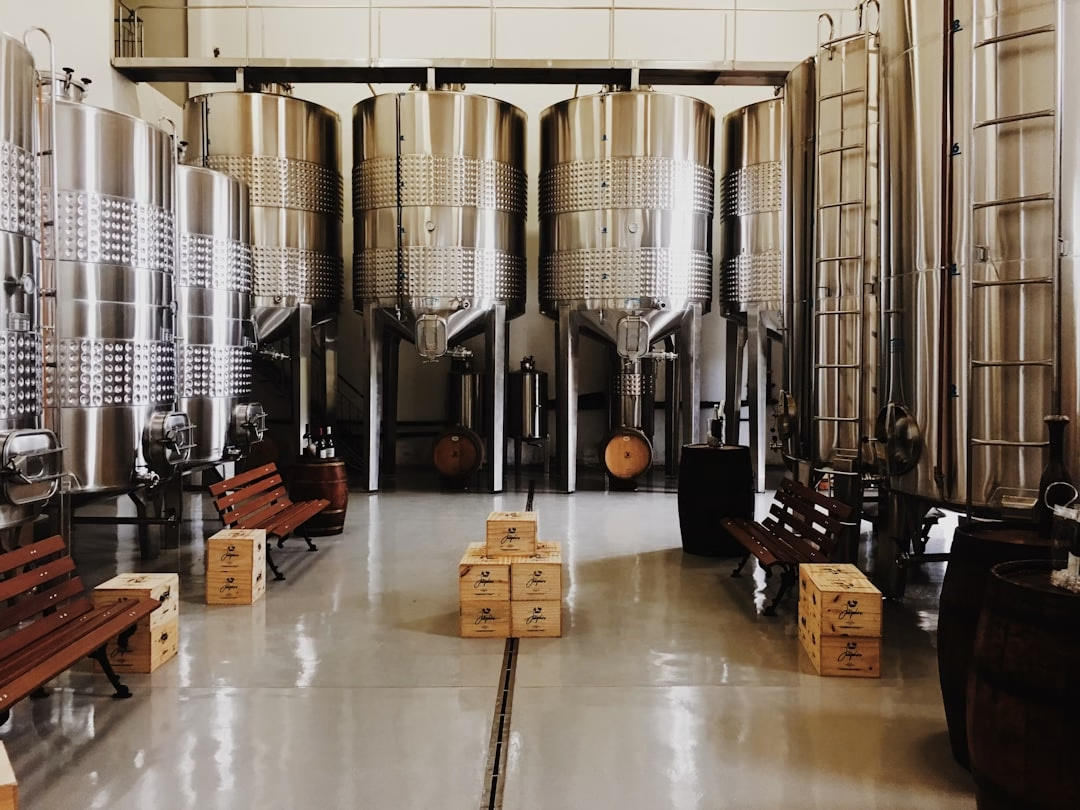
Artificial Intelligence (AI) and Machine Learning (ML) technologies analyze historical data and predict potential issues, allowing for proactive environmental control. Smart HVAC systems automatically adjust based on real-time environmental data to maintain optimal conditions. Automated fermentation tanks are equipped with built-in sensors and control mechanisms to maintain ideal conditions throughout the fermentation process.
By implementing these smart monitoring technologies, distilleries can achieve unprecedented levels of precision in environmental control. This precision translates to improved product consistency, enhanced energy efficiency, and reduced waste. Moreover, the ability to monitor and adjust conditions in real-time allows distilleries to respond quickly to any environmental fluctuations, ensuring that each batch of spirits meets the highest quality standards.
As the distillery industry continues to evolve, the integration of smart monitoring strategies for humidity and climate control becomes increasingly important. These technologies not only improve the efficiency of distillery operations but also contribute to the production of superior quality spirits. In the following sections, we will delve deeper into the specific aspects of humidity control, climate control systems, and the synergies between them in the context of modern distillery operations.
Understanding Humidity Control in Distilleries
Humidity plays a vital role in various stages of the distillation process, significantly impacting the quality and consistency of the final product. During the fermentation process, humidity levels can influence yeast activity and the rate of alcohol production. Optimal humidity helps maintain the right moisture content in fermentation vessels, preventing excessive evaporation that could lead to inconsistent alcohol yields. Moreover, proper humidity control during fermentation can help mitigate the risk of unwanted bacterial growth, which could potentially spoil the batch or alter the desired flavor profile.
In the distillation phase, humidity affects the efficiency of the process and the quality of the distillate. High humidity levels can lead to increased condensation in the still, potentially diluting the spirit and affecting its alcohol content. Conversely, low humidity might cause excessive evaporation, leading to loss of valuable product. Striking the right balance is essential for maintaining consistency and quality across different batches.
Implementing advanced humidity control solutions in distilleries offers numerous benefits. Improved product consistency can be achieved by maintaining optimal humidity levels throughout the production process, allowing distilleries to achieve greater consistency in flavor profiles and alcohol content across different batches. Enhanced energy efficiency is another advantage, as precise humidity control can reduce the energy required for heating and cooling, with the system only needing to make minor adjustments to maintain ideal conditions.
Proper humidity management also leads to reduced product loss by minimizing evaporation during aging, reducing the “angel’s share” and maximizing the yield of the final product. Additionally, controlled humidity levels help prevent corrosion and wear on distillery equipment, potentially extending its operational life. Maintaining appropriate humidity levels also creates a more comfortable environment for distillery workers, potentially enhancing productivity.
To effectively manage humidity in distilleries, several strategies incorporating the latest sensor and control technologies can be employed. High-precision humidity sensors provide accurate, real-time measurements of humidity levels throughout the distillery, allowing for precise control. Zoned humidity control, which involves dividing the distillery into zones with different humidity requirements, allows distillers to optimize conditions for each stage of the production process.
Automated humidification and dehumidification systems use sensor data to automatically adjust humidity levels, maintaining optimal conditions without constant manual intervention. Data analytics and predictive modeling software can analyze historical humidity data to predict future trends and potential issues, allowing for proactive humidity management. Integration with climate control systems enables a holistic approach to environmental control in distilleries. Smart alarms and notifications can alert distillery staff of any significant deviations from ideal humidity levels, enabling quick responses to potential issues.
By leveraging these advanced humidity control strategies, distilleries can significantly improve their operations, leading to better product quality, increased efficiency, and reduced operational costs. As technology continues to evolve, the potential for even more precise and automated humidity management in distilleries will only grow, further enhancing the art and science of spirit production.
The Role of Climate Control Systems in Distillery Efficiency
Climate control systems are essential for distilleries, playing a crucial role in maintaining optimal environmental conditions throughout the production process. These systems go beyond simple temperature regulation, encompassing a wide range of factors that influence the quality and consistency of the final product. Understanding the importance of climate control and leveraging advanced systems can significantly enhance distillery operations.
Climate control systems are vital for distilleries for several reasons. Temperature stability is crucial for various stages of spirit production, from fermentation to distillation and aging. Even small temperature fluctuations can affect yeast activity, distillation efficiency, and the rate of chemical reactions during aging. Air quality management through proper air circulation and filtration helps prevent the buildup of potentially harmful vapors and ensures a safe working environment for distillery staff.
In addition to humidity-specific systems, climate control helps manage overall moisture levels, which is crucial for preventing mold growth and maintaining the integrity of wooden barrels during aging. Advanced climate control systems can optimize energy usage by adjusting their operation based on real-time environmental data and production needs. By maintaining stable environmental conditions, climate control systems help ensure consistency in flavor profiles and alcohol content across different batches and seasons.
Advanced climate control systems enhance distillery operations in numerous ways. They offer unprecedented accuracy in maintaining desired environmental conditions, allowing distillers to fine-tune their processes for optimal results. Smart climate control systems use energy-efficient components and intelligent algorithms to minimize power consumption while maintaining ideal conditions. By integrating with other distillery systems, advanced climate control can adjust conditions based on specific production requirements, enhancing overall efficiency.
Consistent environmental conditions contribute to more predictable and controllable outcomes in spirit production, aiding in quality assurance efforts. Advanced systems also help distilleries meet regulatory requirements related to environmental control and product consistency.
Key features of smart climate control systems for distilleries include automated temperature and humidity management, which use a network of sensors to continuously monitor conditions and make automatic adjustments to maintain optimal levels. Zoned climate control allows different areas of the distillery to be managed independently, enabling tailored conditions in fermentation, distillation, and aging areas.
Real-time monitoring and reporting provide continuous data on environmental conditions, allowing distillers to track trends and identify potential issues promptly. Cloud-based interfaces enable distillery managers to monitor and adjust climate settings from anywhere, enhancing flexibility and responsiveness. AI-powered systems can anticipate potential equipment failures or performance issues, allowing for proactive maintenance and minimizing downtime.
Integration with production management systems links climate control with broader distillery management software, enabling comprehensive oversight of all production factors. Smart systems can adjust their operation based on factors such as outdoor weather conditions, production schedules, and energy pricing to maximize efficiency. Customizable alerts and notifications allow distillery staff to receive instant notifications about any deviations from set parameters, enabling quick responses to potential issues.
By implementing these advanced climate control systems, distilleries can achieve significant improvements in operational efficiency, product quality, and sustainability. The ability to maintain precise and consistent environmental conditions throughout the production process not only enhances the quality of the spirits produced but also contributes to more predictable and manageable operations. As technology continues to advance, the potential for even more sophisticated and integrated climate control solutions in distilleries will likely expand, further revolutionizing the industry.
Comparing Humidity and Climate Control: A Deep Dive
While both humidity and climate control are essential aspects of environmental management in distilleries, they serve distinct yet complementary functions. Understanding the key differences between these systems and how they work together is crucial for optimizing distillery efficiency and product quality.
Humidity control focuses specifically on managing moisture levels in the air, while climate control encompasses a broader range of environmental factors, including temperature, air circulation, and overall atmospheric conditions. The main goal of humidity control is to maintain optimal moisture levels to prevent issues such as mold growth, excessive evaporation, or product spoilage. Climate control, on the other hand, aims to create and maintain an overall stable environment conducive to all stages of spirit production.
Humidity control typically involves specialized equipment such as humidifiers, dehumidifiers, and moisture sensors. Climate control systems often include HVAC units, air handling systems, and a broader array of environmental sensors. Humidity control directly affects processes such as fermentation rates, evaporation during aging, and the preservation of wooden barrels. Climate control influences these aspects as well, but also impacts factors like overall air quality, thermal stability during distillation, and worker comfort. Generally, humidity control systems consume less energy than comprehensive climate control systems, as they focus on a single environmental factor.
Despite these differences, humidity and climate control systems work synergistically to optimize distillery efficiency. By integrating both systems, distilleries can achieve a more holistic approach to environmental control, addressing all crucial factors that impact spirit production. The combination of humidity-specific controls with broader climate management allows for finer tuning of environmental conditions, resulting in more consistent and high-quality products.
When working together, these systems can optimize their operations, potentially reducing overall energy consumption compared to operating independently. Integrated systems provide a more comprehensive view of environmental conditions, making it easier to identify and address issues that may affect product quality or operational efficiency. The ability to precisely control both humidity and overall climate allows distilleries to experiment with different production techniques or adapt to varying ingredient characteristics more easily.
Distilleries can benefit significantly from integrating both humidity and climate control systems. This integration allows for optimized fermentation by maintaining ideal temperature and humidity levels, ensuring consistent and efficient yeast activity, leading to more predictable fermentation outcomes. Precise control over both humidity and temperature during distillation can enhance the separation of alcohol from water, potentially improving yield and quality.
Integrated systems can create the perfect environment for spirit aging, balancing factors like temperature, humidity, and air circulation to achieve desired flavor profiles. Comprehensive environmental control minimizes evaporation during aging (the “angel’s share”), maximizing the yield of the final product. With precise control over multiple environmental factors, distilleries can more easily adapt their processes to seasonal changes or experiment with new production techniques.
The ability to maintain consistent environmental conditions across all production stages contributes to more uniform product quality and easier compliance with regulatory standards. Integrated systems can optimize resource usage, potentially reducing water and energy consumption in distillery operations.
Innovations in Sensor Technology for Distilleries
The distillery industry has witnessed significant advancements in sensor technology, revolutionizing the way environmental conditions are monitored and controlled. These innovations have paved the way for more precise, efficient, and automated distillery operations. Understanding the latest developments in sensor technology and their applications is crucial for distilleries aiming to stay at the forefront of the industry.
Recent advancements in sensor technology for distilleries include the development of miniaturized sensors. These smaller, more compact sensors can be integrated into various parts of the distillery without interfering with operations. They can be placed in fermentation tanks, stills, and aging warehouses to provide comprehensive environmental data. Wireless sensor networks have also emerged, allowing sensors to communicate wirelessly and create a network of devices that continuously monitor different areas of the distillery. This technology eliminates the need for extensive wiring and allows for easy expansion or reconfiguration of the monitoring system.
Multi-parameter sensors have become increasingly prevalent, capable of measuring multiple environmental factors simultaneously, such as temperature, humidity, pressure, and even specific gas concentrations. This capability provides a more comprehensive view of the distillery environment with fewer devices. Non-invasive sensors allow for measurements without direct contact with the product, reducing the risk of contamination and enabling continuous monitoring without disrupting the production process.
Smart sensors with built-in analytics have also been developed, featuring integrated processors that can perform preliminary data analysis. This reduces the load on central monitoring systems and enables faster response times to environmental changes. Energy-harvesting sensors represent another innovative development, generating their own power from environmental factors such as temperature differentials or vibrations. This reduces the need for battery replacements and enables placement in hard-to-reach areas.
These sensor technologies enhance the monitoring and control of distillery environments in several ways. They provide continuous, real-time information about environmental conditions, allowing for immediate detection of any deviations from optimal parameters. Modern sensors offer higher precision and reliability compared to older technologies, enabling more accurate control of critical environmental factors. The ability to measure multiple parameters simultaneously provides a more holistic view of the distillery environment, leading to better-informed decision-making.
Smart sensors can detect early signs of equipment wear or malfunction, allowing for proactive maintenance and reducing downtime. Precise environmental data enables more efficient operation of climate control systems, potentially reducing energy consumption. By maintaining more stable and precisely controlled conditions, these sensors contribute to greater consistency in spirit production across different batches. Integration of advanced sensors with control systems allows for automated adjustments to maintain optimal conditions without constant human intervention.
The role of sensors in enhancing the precision of humidity and climate control systems is particularly significant. High-precision humidity sensors enable more accurate control of moisture levels, crucial for preventing issues like mold growth or excessive evaporation during aging. Advanced sensors can detect small variations in temperature and humidity across different areas of the distillery, allowing for more targeted climate control. Real-time data from sensors enables climate control systems to quickly adjust to any fluctuations, maintaining stable conditions.
Looking to the future, several trends in sensor technology are likely to impact distillery operations. The integration of AI and machine learning with sensors promises to revolutionize environmental control. These advanced systems could predict environmental trends and optimize conditions proactively, taking into account historical data, production schedules, and even external factors like weather forecasts. Blockchain technology may also play a role in ensuring the integrity and traceability of environmental data, aiding in regulatory compliance and quality assurance.
The development of bio-sensors specifically designed for the distilling industry could detect minute changes in the chemical composition of spirits during fermentation and aging, providing unprecedented insight into the development of flavors and aromas. The Internet of Things (IoT) is set to play an increasingly important role, enabling seamless integration of data from various sources. Nanotechnology holds promise for future sensor development, potentially allowing monitoring of conditions at the molecular level.
As these technologies continue to evolve, distilleries will have access to increasingly sophisticated tools for monitoring and controlling their environments. The potential impact on product quality, operational efficiency, and innovation in spirit production is significant. Distilleries that embrace these advancements in sensor technology will be well-positioned to lead the industry in the coming years, producing spirits of unparalleled quality and consistency while optimizing their operations for maximum efficiency and sustainability.
Sustainable Practices in Distillery Operations
The integration of smart monitoring strategies in distilleries not only enhances efficiency and product quality but also contributes significantly to sustainability. As the global focus on environmental responsibility intensifies, distilleries are increasingly leveraging technology to reduce their ecological footprint while maintaining high-quality production standards.
Smart monitoring strategies play a crucial role in contributing to sustainability in distilleries. By providing real-time data on energy consumption, water usage, and waste production, these systems enable distillery managers to identify areas of inefficiency and implement targeted improvements. For instance, advanced monitoring systems can detect minor leaks or inefficiencies in the distillation process that might otherwise go unnoticed, allowing for prompt repairs and adjustments that reduce resource waste.
The energy-saving benefits of advanced climate and humidity control systems are particularly noteworthy. Traditional distillery operations often involve significant energy expenditure to maintain optimal environmental conditions. However, smart systems can dynamically adjust heating, cooling, and ventilation based on real-time needs, rather than operating at a constant level. This precision control can lead to substantial energy savings, sometimes reducing energy consumption by up to 30% compared to conventional systems.
Moreover, these advanced systems can be programmed to take advantage of off-peak energy rates, further reducing costs and strain on the power grid. Some distilleries have even integrated renewable energy sources, such as solar panels or wind turbines, with their smart monitoring systems to optimize the use of clean energy and minimize reliance on fossil fuels.
Water conservation is another area where smart monitoring can significantly impact sustainability. Distilleries traditionally use large amounts of water in their processes, from cooling to cleaning. Advanced monitoring systems can track water usage across different stages of production, identifying opportunities for recycling and reuse. For example, some distilleries now use sophisticated filtration systems monitored by smart sensors to purify and recycle cooling water, dramatically reducing their overall water consumption.
Waste reduction is yet another benefit of smart monitoring in distilleries. By precisely controlling fermentation and distillation processes, these systems help minimize the production of off-spec batches that might otherwise be discarded. Additionally, some distilleries are using monitoring technology to track and optimize their byproduct usage. For instance, spent grains can be more efficiently collected and distributed for animal feed or biomass energy production, turning what was once waste into a valuable resource.
The application of data analytics in conjunction with smart monitoring systems allows distilleries to continually refine their processes for maximum sustainability. By analyzing trends in energy use, water consumption, and waste production over time, distilleries can make informed decisions about equipment upgrades, process modifications, and operational practices that further reduce their environmental impact.
Carbon footprint reduction is becoming an increasingly important focus for many distilleries. Smart monitoring systems can help track and manage carbon emissions throughout the production process. Some distilleries are even implementing carbon capture technologies, using sensors and automated systems to collect and repurpose CO2 produced during fermentation for use in carbonation or as a protective gas in bottling processes.
The adoption of sustainable practices through smart monitoring not only benefits the environment but can also lead to significant cost savings for distilleries. Reduced energy and water consumption translate directly to lower utility bills, while waste reduction can decrease disposal costs and potentially create new revenue streams through byproduct sales.
Furthermore, as consumers become more environmentally conscious, distilleries that can demonstrate their commitment to sustainability through the use of advanced, eco-friendly technologies may gain a competitive edge in the market. Many distilleries are now highlighting their sustainable practices in their marketing efforts, appealing to environmentally aware consumers and potentially commanding premium prices for their eco-friendly products.
The implementation of these sustainable practices is not without challenges. The initial investment in smart monitoring and control systems can be substantial, and there may be a learning curve as staff adapt to new technologies and processes. However, many distilleries find that the long-term benefits in terms of cost savings, improved efficiency, and enhanced brand reputation more than justify the initial outlay.
As technology continues to advance, the potential for even more sustainable distillery operations grows. Innovations such as AI-driven predictive maintenance can prevent equipment failures that might lead to waste or inefficiency. Blockchain technology could be used to create transparent, verifiable records of a distillery’s sustainability efforts, from grain sourcing to energy use, providing consumers with unprecedented insight into the environmental impact of their favorite spirits.
Conclusion
Smart monitoring strategies have revolutionized distillery efficiency by providing unprecedented control over humidity and climate conditions. These advanced technologies have transformed every aspect of spirit production, from fermentation to aging, resulting in improved product quality, increased operational efficiency, and enhanced sustainability.
The critical role of humidity and climate control in setting new standards for efficiency and quality cannot be overstated. By maintaining precise environmental conditions throughout the production process, distilleries can achieve consistency in their products that was previously unattainable. This level of control not only ensures the highest quality spirits but also allows for experimentation and innovation in flavor profiles and production techniques.
For distilleries looking to optimize their operations, several key insights and recommendations emerge:
Firstly, investing in integrated humidity and climate control systems is crucial. The synergy between these systems allows for a holistic approach to environmental management, resulting in better outcomes than addressing each factor separately.
Secondly, embracing sensor technology and data analytics is essential. The latest advancements in sensor technology provide distilleries with real-time, accurate data on multiple environmental parameters. Leveraging this data through advanced analytics can lead to proactive decision-making and continuous process improvement.
Thirdly, prioritizing sustainability through smart monitoring is both environmentally responsible and economically beneficial. The energy savings and waste reduction achieved through precise control can significantly lower operational costs while reducing the distillery’s environmental footprint.
Fourthly, staying abreast of technological advancements is vital. As innovations like AI, IoT, and nanotechnology continue to evolve, they offer new opportunities for even greater precision and efficiency in distillery operations.
Lastly, training staff to effectively use and interpret data from smart monitoring systems is crucial. The most advanced technology is only as effective as the people operating it, making ongoing education and skill development a key component of successful implementation.
As the distilling industry moves forward, those who embrace these smart monitoring strategies will be best positioned to lead in product quality, operational efficiency, and sustainable practices. The future of distilling lies not just in the art of crafting fine spirits, but in the science of creating the perfect environment for that craft to flourish. By harnessing the power of advanced humidity and climate control systems, distilleries can ensure they remain at the forefront of innovation, producing spirits of unparalleled quality while setting new standards for efficiency and sustainability in the industry.
