
Building automation represents the cornerstone of modern infrastructure management, serving as the central nervous system that controls and monitors various building operations. These sophisticated systems integrate multiple building functions into a cohesive network, enabling efficient management of everything from heating and cooling to lighting and security. The significance of building automation extends beyond mere convenience, playing a crucial role in reducing energy consumption, improving occupant comfort, and minimizing operational costs.
Building automation systems operate through a complex network of interconnected components that work in harmony to maintain optimal building conditions. At their core, these systems utilize advanced sensors to gather real-time data about various environmental parameters. These sensors communicate with controllers, which process the information and make adjustments to maintain desired conditions. The system’s user interface provides building managers with comprehensive control and monitoring capabilities, allowing them to fine-tune operations and respond to changing conditions effectively.
The fundamental components of a building automation system include an extensive network of sensors strategically placed throughout the facility. These sensors continuously monitor various parameters such as temperature, humidity, occupancy, and light levels. Central controllers process this data and execute pre-programmed responses based on specific conditions. The user interface serves as the command center, enabling facility managers to monitor system performance, adjust settings, and respond to alerts.
The Role of Outdoor Weather Stations in Building Automation
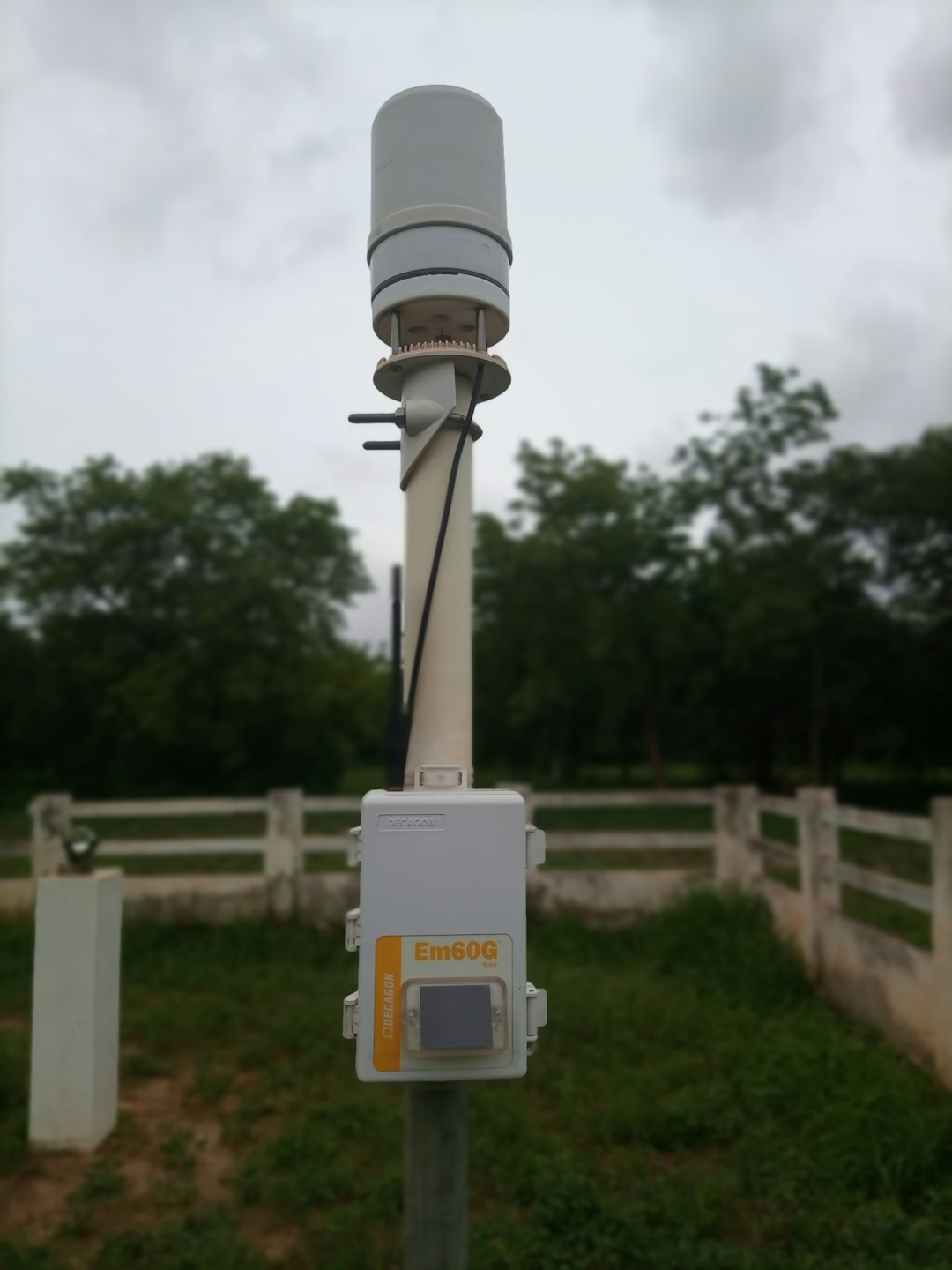
Outdoor weather stations serve as vital data collection points that significantly enhance the capabilities of building automation systems. These sophisticated monitoring stations provide real-time environmental data that enables buildings to respond proactively to changing weather conditions. The integration of weather stations with building automation systems represents a significant advancement in smart building technology, allowing for more precise control over internal environments while optimizing energy usage.
Weather stations collect an extensive array of meteorological data crucial for building operations. Temperature sensors provide accurate readings of outdoor conditions, while humidity sensors measure moisture content in the air. Wind speed and direction sensors help predict ventilation needs and potential structural impacts. Solar radiation sensors monitor sunlight intensity, enabling optimal adjustment of lighting and HVAC systems. Precipitation sensors alert building managers to weather events that might affect operations.
Real-time weather data proves instrumental in making informed decisions about building operations. This immediate access to accurate weather information allows building automation systems to anticipate and respond to changing conditions before they impact indoor environments. For instance, knowing that a temperature spike is approaching enables the system to precool spaces efficiently, rather than reacting after the fact. This proactive approach not only maintains optimal comfort levels but also contributes to significant energy savings.
Integrating Weather Data into Building Automation Systems
The integration of weather data into building automation systems yields numerous benefits that transform how buildings operate. By incorporating real-time weather information, buildings can achieve substantial improvements in energy efficiency through predictive climate control. This integration enables smarter decision-making about heating, cooling, and ventilation needs, resulting in reduced energy consumption and lower operational costs. Additionally, the enhanced control over indoor environmental conditions leads to improved occupant comfort and productivity.
Implementation of weather data integration requires careful planning and consideration of various technical factors. The process begins with selecting appropriate weather station equipment that can reliably communicate with existing building automation systems. Integration protocols must be established to ensure seamless data transfer between weather stations and building management systems. Proper calibration and regular maintenance procedures need to be implemented to maintain accuracy and reliability of weather data collection.
Building managers often encounter several challenges during the integration process. Data compatibility issues may arise when attempting to merge weather station data with existing building automation protocols. System reliability and redundancy become critical considerations, as weather data often proves essential for optimal building operation. Additionally, ensuring accurate data interpretation and appropriate system responses requires careful programming and ongoing optimization. These challenges can be overcome through proper planning, selection of compatible equipment, and implementation of robust communication protocols.
Future Trends in Smart Building Technology
The landscape of smart building technology continues to evolve rapidly, with artificial intelligence and machine learning emerging as transformative forces in building automation. These technologies enable systems to learn from historical weather patterns and building performance data, leading to increasingly sophisticated predictive capabilities. Advanced analytics platforms now process massive amounts of environmental data to optimize building operations in real-time, while cloud computing facilitates seamless integration of multiple data sources.
Outdoor weather stations will play an increasingly crucial role in future building automation systems through enhanced data collection and analysis capabilities. Next-generation weather stations incorporate more sophisticated sensors with greater accuracy and reliability. These advanced stations provide granular data about atmospheric conditions, enabling building automation systems to make more precise adjustments to internal environments. The integration of weather station data with artificial intelligence algorithms allows buildings to anticipate and respond to weather changes with unprecedented accuracy.
Technological advancements in sensor technology and data processing continue to reshape the building automation landscape. Internet of Things (IoT) integration enables seamless communication between weather stations and building systems, while edge computing allows for faster processing of weather data. Improved sensor technology provides more accurate and detailed weather information, enabling better decision-making in building operations. The development of smart materials and adaptive building envelopes that respond to weather conditions represents another frontier in building automation technology.
Challenges and Solutions in Integrating Weather Stations with Building Automation
System integration presents several technical challenges that require careful consideration during implementation. Data compatibility issues often arise when attempting to merge weather station outputs with existing building automation protocols. Network reliability and bandwidth constraints can impact real-time data transmission, while cybersecurity concerns must be addressed to protect sensitive building operations data. The complexity of integrating multiple systems and ensuring consistent performance requires significant technical expertise and resources.
Solutions to these integration challenges involve comprehensive planning and implementation strategies. Standardized communication protocols help ensure seamless data exchange between weather stations and building automation systems. Regular system maintenance and calibration procedures maintain accuracy and reliability. Redundant data collection and backup systems prevent operational disruptions, while robust cybersecurity measures protect against potential threats. Training programs for facility managers and technical staff ensure proper system operation and maintenance.
Successful integration requires adherence to established best practices throughout the implementation process. Thorough site assessment helps determine optimal weather station placement and equipment specifications. Careful selection of compatible hardware and software ensures smooth system operation. Regular testing and validation procedures confirm data accuracy and system performance. Documentation of system configuration and maintenance procedures supports long-term operational success. Continuous monitoring and periodic system audits identify potential issues before they impact building operations.
Sustainability and Environmental Compliance in Building Automation
Weather station integration significantly contributes to building sustainability through improved energy efficiency and resource management. Real-time weather data enables precise control of heating, cooling, and ventilation systems, reducing energy consumption and associated carbon emissions. Predictive capabilities allow buildings to optimize energy usage based on anticipated weather conditions. Smart irrigation systems utilize precipitation data to conserve water resources, while daylight harvesting systems adjust artificial lighting based on natural light availability.
Environmental compliance requirements increasingly influence building automation system design and operation. Regulations regarding energy efficiency, indoor air quality, and resource consumption drive the adoption of sophisticated monitoring and control systems. Weather station data provides documentation for environmental compliance reporting and certification requirements. Building automation systems must adapt to evolving environmental standards while maintaining operational efficiency and occupant comfort.
Green building certification programs recognize the value of integrated weather stations in achieving sustainability goals. Leadership in Energy and Environmental Design (LEED) and similar certification programs award points for advanced building automation capabilities that optimize energy efficiency and resource utilization. Weather station data supports documentation of building performance for certification requirements. Integration of weather data with building automation systems demonstrates commitment to environmental stewardship and sustainable operations.
Conclusion
The integration of outdoor weather stations with building automation systems represents a significant advancement in smart building technology, enabling unprecedented levels of control and efficiency in building operations. Real-time weather data provides essential information for optimizing energy usage, maintaining occupant comfort, and supporting sustainable operations. As technology continues to evolve, the role of weather stations in building automation will become increasingly important for achieving operational efficiency and environmental goals.
The successful implementation of weather station integration requires careful consideration of technical requirements, operational procedures, and maintenance protocols. While challenges exist in system integration and data management, solutions are available through proper planning and adherence to best practices. The benefits of enhanced building performance, improved energy efficiency, and environmental compliance justify the investment in weather station integration.
Looking ahead, continued advancement in sensor technology, data analytics, and artificial intelligence will further enhance the capabilities of integrated building automation systems. The development of smart materials and adaptive building systems will create new opportunities for utilizing weather data in building operations. As environmental concerns drive increased focus on building sustainability, the integration of weather stations with building automation systems will play an essential role in creating smarter, more efficient buildings for the future.
