
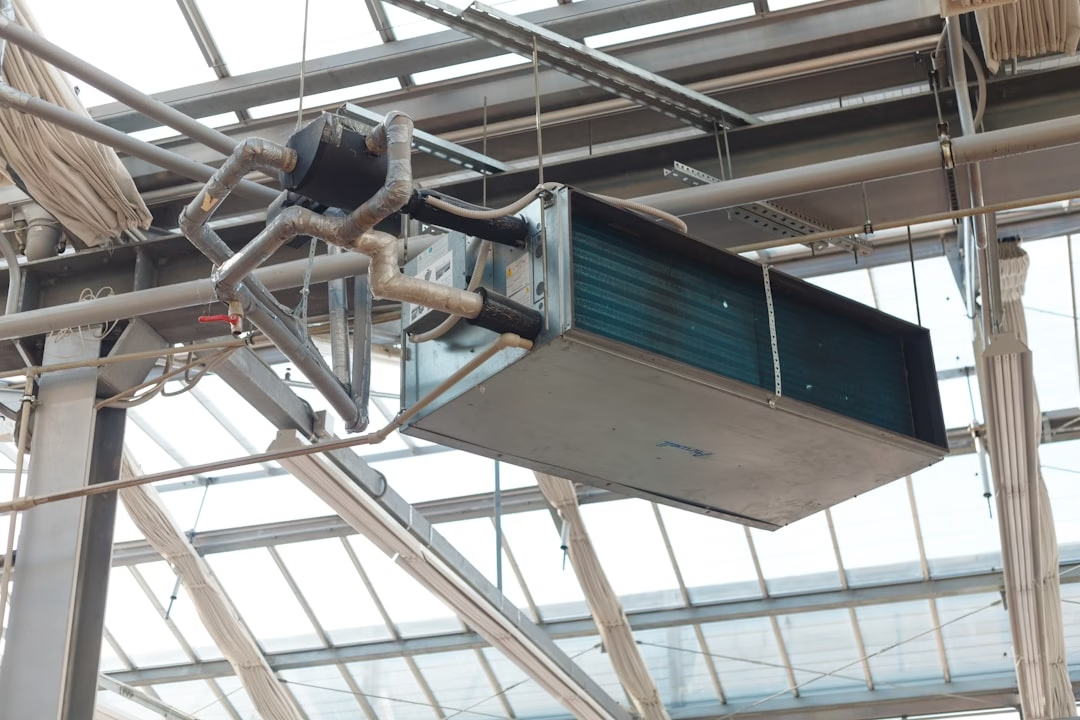
In modern building management, preventive maintenance plays a crucial role in ensuring the efficiency and longevity of building automation systems. Preventive maintenance refers to the regular and systematic inspection, detection, and correction of potential failures before they occur or develop into major defects. This proactive approach stands in stark contrast to reactive maintenance, which involves addressing issues only after they have already caused problems or system failures.
For building automation systems, preventive maintenance is particularly important due to the complex nature of these systems and their critical role in managing various building operations. Building automation systems integrate multiple components, including heating, ventilation, and air conditioning (HVAC), lighting, security, and other essential building functions. By implementing a robust preventive maintenance program, building owners and facility managers can ensure these systems operate at peak efficiency, reduce the risk of unexpected breakdowns, and extend the lifespan of their equipment.
The proactive nature of preventive maintenance sets it apart from reactive maintenance in several key ways. While reactive maintenance responds to problems after they occur, often resulting in costly repairs and system downtime, preventive maintenance aims to identify and address potential issues before they escalate. This approach not only minimizes disruptions to building operations but also helps to optimize system performance and reduce long-term maintenance costs.
Moreover, preventive maintenance aligns with the growing focus on sustainability in building operations. By keeping building automation systems running efficiently, preventive maintenance contributes to reduced energy consumption and lower carbon emissions. This aspect is particularly important for building owners and facility managers who are increasingly prioritizing environmentally friendly practices and seeking to meet stringent energy efficiency standards.
Benefits of Preventive Maintenance
The implementation of a comprehensive preventive maintenance program for building automation systems offers a wide array of benefits that extend beyond mere equipment upkeep. These advantages directly impact the operational efficiency, cost-effectiveness, and overall performance of building systems.
One of the primary benefits of preventive maintenance is the significant cost savings it generates over time. By addressing potential issues before they escalate into major problems, building owners and facility managers can avoid costly emergency repairs and system replacements. Regular maintenance also helps to optimize system performance, leading to reduced energy consumption and lower utility bills. These cost savings can be substantial, especially for large commercial buildings or facilities with complex automation systems.
Improved system reliability and uptime represent another crucial benefit of preventive maintenance. Building automation systems are integral to the smooth operation of modern buildings, controlling everything from climate control to security systems. Through regular inspections and maintenance, potential points of failure can be identified and addressed proactively, minimizing the risk of unexpected breakdowns. This increased reliability translates to fewer disruptions in building operations, improved occupant comfort, and enhanced tenant satisfaction.
The impact of preventive maintenance on system lifespan cannot be overstated. Building automation systems represent a significant investment, and extending their operational life is a key concern for building owners. Regular maintenance helps to prevent premature wear and tear on equipment, ensuring that systems continue to function optimally for longer periods. This extended lifespan not only delays the need for costly system replacements but also provides a better return on investment for building owners.
Furthermore, preventive maintenance contributes significantly to sustainability in building operations. Well-maintained systems operate more efficiently, consuming less energy and reducing the building’s overall carbon footprint. This aligns with the growing emphasis on green building practices and can help facilities meet increasingly stringent environmental regulations and certifications.
Lastly, preventive maintenance enhances overall building safety and compliance. Regular inspections and maintenance ensure that all systems are operating within safe parameters and in compliance with relevant regulations and standards. This is particularly important for critical systems such as fire safety and security, where any malfunction could have serious consequences.
Preventive vs Predictive Maintenance
While preventive maintenance has long been the standard approach for maintaining building automation systems, the emergence of predictive maintenance strategies has introduced new possibilities for system optimization. Understanding the differences between these two approaches is crucial for building managers and owners looking to implement the most effective maintenance strategy for their specific needs.
Preventive maintenance follows a schedule-based approach, with maintenance tasks performed at regular intervals regardless of the current condition of the equipment. This method relies on manufacturer recommendations, historical data, and industry best practices to determine the frequency of maintenance activities. Preventive maintenance typically involves routine inspections, cleaning, lubrication, and replacement of worn parts to prevent potential failures.
On the other hand, predictive maintenance utilizes advanced technologies and data analytics to monitor the condition of equipment in real-time. This approach relies on sensors, Internet of Things (IoT) devices, and sophisticated algorithms to detect subtle changes in equipment performance that may indicate impending failures. By analyzing this data, maintenance teams can predict when a piece of equipment is likely to fail and schedule maintenance activities only when necessary.
The effectiveness of each maintenance strategy depends on various factors, including the type of building automation system, the criticality of the equipment, and the resources available for maintenance. Preventive maintenance offers the advantage of predictability and consistency, making it easier to plan and budget for maintenance activities. It also helps to ensure that all equipment receives regular attention, potentially catching issues that might be missed by a less systematic approach.
Predictive maintenance, while potentially more complex to implement, offers the promise of greater efficiency and cost-effectiveness. By performing maintenance only when needed, this approach can reduce unnecessary maintenance activities and associated costs. It also provides real-time insights into system performance, allowing for more informed decision-making and potentially preventing failures before they occur.
For building automation systems, a hybrid approach combining elements of both preventive and predictive maintenance may be most effective. Critical systems and components may benefit from regular preventive maintenance to ensure reliability, while less critical or more stable systems could be monitored using predictive maintenance techniques. This balanced approach allows building managers to optimize their maintenance efforts, focusing resources where they are most needed while leveraging advanced technologies to enhance overall system performance.
Developing a Preventive Maintenance Strategy
Creating a comprehensive preventive maintenance strategy for building automation systems requires careful planning and consideration of various factors. A well-designed strategy not only ensures the longevity and efficiency of the systems but also optimizes resource allocation and minimizes disruptions to building operations.
The first step in developing a preventive maintenance strategy is to conduct a thorough inventory and assessment of all building automation systems and components. This includes identifying critical equipment, understanding system interdependencies, and evaluating the current condition and performance of each component. This assessment provides the foundation for prioritizing maintenance tasks and allocating resources effectively.
Once the inventory is complete, the next step is to establish maintenance schedules and frequencies for each system and component. This typically involves consulting manufacturer recommendations, analyzing historical performance data, and considering industry best practices. It’s important to strike a balance between performing maintenance frequently enough to prevent failures and avoiding excessive maintenance that could lead to unnecessary downtime or costs.
Developing detailed maintenance checklists for each system is crucial for ensuring consistency and thoroughness in maintenance activities. These checklists should outline specific tasks to be performed, tools and materials required, safety precautions, and any relevant procedures or guidelines. Checklists not only serve as a guide for maintenance personnel but also provide a record of completed tasks for documentation and analysis purposes.
Prioritization of maintenance tasks is another key aspect of an effective strategy. Not all systems and components have equal importance or criticality, and maintenance efforts should be focused where they will have the greatest impact. Factors to consider in prioritization include the criticality of the system to building operations, the potential consequences of failure, and the cost and difficulty of maintenance or replacement.
Implementing best practices for maintenance scheduling can significantly enhance the effectiveness of a preventive maintenance program. This includes:
1. Balancing workloads to ensure consistent maintenance activities throughout the year rather than concentrating them in specific periods.
2. Coordinating maintenance activities with building operations to minimize disruptions to occupants and tenants.
3. Incorporating flexibility to accommodate unexpected issues or changes in building usage patterns.
4. Utilizing maintenance management software to track schedules, automate notifications, and manage work orders efficiently.
5. Regularly reviewing and adjusting maintenance schedules based on system performance data and changing building requirements.
A successful preventive maintenance strategy also requires proper training and resources for maintenance personnel. This includes ensuring that staff members have the necessary skills and knowledge to perform required tasks, as well as access to appropriate tools, equipment, and documentation.
Finally, establishing a system for tracking and analyzing maintenance data is essential for continuous improvement of the preventive maintenance program. This involves recording details of maintenance activities, system performance metrics, and any issues encountered. Regular analysis of this data can reveal trends, identify recurring problems, and inform decisions about adjustments to the maintenance strategy.
Cost Savings and ROI from Preventive Maintenance
Implementing a robust preventive maintenance program for building automation systems can yield significant financial benefits, both in terms of cost savings and return on investment (ROI). Understanding these financial implications is crucial for building owners and facility managers to justify the resources allocated to preventive maintenance and to maximize the value derived from their building automation systems.
One of the primary ways preventive maintenance leads to cost savings is through the reduction of emergency repairs and unplanned downtime. By addressing potential issues before they escalate into major problems, preventive maintenance helps avoid costly emergency service calls and the associated disruptions to building operations. The cost of emergency repairs is often significantly higher than planned maintenance, not only due to higher labor rates for urgent service but also because of the potential for more extensive damage when problems are left unaddressed.
Energy savings represent another substantial area of cost reduction associated with preventive maintenance. Well-maintained building automation systems operate more efficiently, consuming less energy to achieve the same level of performance. For example, regular maintenance of HVAC systems, such as cleaning or replacing filters, lubricating moving parts, and ensuring proper calibration, can significantly reduce energy consumption. Given that energy costs often constitute a large portion of a building’s operational expenses, even small improvements in efficiency can translate to substantial savings over time.
Preventive maintenance also contributes to cost savings by extending the lifespan of building automation systems and their components. Regular maintenance helps prevent premature wear and tear, reducing the frequency of major repairs or replacements. This not only saves on the direct costs of equipment replacement but also minimizes the disruptions and indirect costs associated with system downtime during installations.
When evaluating the ROI of preventive maintenance, several factors come into play. The initial investment in a preventive maintenance program includes costs such as labor, tools and equipment, training, and potentially software for maintenance management. However, these costs are often offset by the savings generated through improved system efficiency, reduced energy consumption, fewer emergency repairs, and extended equipment lifespan.
To calculate the ROI, building owners and facility managers should consider:
1. Reduction in emergency repair costs
2. Energy savings from improved system efficiency
3. Extended equipment lifespan and delayed replacement costs
4. Reduced downtime and associated productivity losses
5. Improved occupant comfort and satisfaction, potentially leading to higher tenant retention or increased property value
It’s important to note that the full financial benefits of preventive maintenance may take time to materialize, as some savings accrue over the long term. However, many organizations report positive ROI within the first few years of implementing a comprehensive preventive maintenance program.
The key factors influencing the financial benefits of preventive maintenance include the age and condition of the building automation systems, the complexity of the systems, the criticality of various components to building operations, and the efficiency of the maintenance program itself. Buildings with older or more complex systems may see greater benefits from preventive maintenance, as these systems are often more prone to failures and inefficiencies.
To maximize the financial benefits of preventive maintenance, organizations should:
1. Regularly review and optimize their maintenance strategies based on performance data and cost analysis
2. Invest in training and tools to improve the efficiency of maintenance activities
3. Leverage technology, such as building management systems and predictive maintenance tools, to enhance maintenance effectiveness
4. Consider the lifecycle costs of equipment when making maintenance and replacement decisions
By taking a strategic approach to preventive maintenance and carefully tracking its financial impact, building owners and facility managers can ensure that their maintenance programs deliver significant cost savings and a strong return on investment.
Building Automation Systems and Maintenance
Building Automation Systems (BAS) have become integral to modern building management, offering centralized control and monitoring of various building functions such as HVAC, lighting, security, and more. These sophisticated systems play a crucial role in optimizing building performance, enhancing occupant comfort, and improving energy efficiency. However, to fully realize these benefits and ensure long-term reliability, building automation systems require consistent and effective maintenance.
The complexity of building automation systems underscores the importance of preventive maintenance. These systems typically comprise a network of sensors, controllers, and actuators that work together to manage building operations. Each component plays a vital role in the overall functionality of the system, and a failure in any one part can potentially impact the entire building’s operation. Preventive maintenance helps ensure that all components of the BAS are functioning optimally, reducing the risk of system-wide issues.
One of the primary benefits of preventive maintenance for building automation systems is the optimization of system performance. Regular maintenance activities such as sensor calibration, software updates, and hardware checks help ensure that the system is operating as intended. This optimization leads to improved energy efficiency, as the BAS can more accurately control building systems based on actual conditions and occupancy patterns. For example, a well-maintained HVAC system controlled by a properly calibrated BAS can provide more precise temperature control, reducing energy waste and improving occupant comfort.
Preventive maintenance also plays a crucial role in extending the lifespan of building automation systems. These systems represent a significant investment for building owners, and maximizing their operational life is essential for achieving a good return on investment. Regular maintenance helps prevent premature wear and tear on system components, potentially delaying the need for costly upgrades or replacements.
Another important aspect of preventive maintenance for BAS is ensuring system security. As building automation systems become increasingly connected and reliant on network communications, they can be vulnerable to cybersecurity threats. Regular maintenance should include security audits, software patches, and updates to protect against potential vulnerabilities and ensure the system remains secure.
Preventive maintenance also contributes to the overall sustainability of building operations. By keeping building automation systems running efficiently, maintenance helps reduce energy consumption and associated carbon emissions. This aligns with the growing focus on green building practices and can help facilities meet environmental certifications such as LEED (Leadership in Energy and Environmental Design).
To maximize the benefits of preventive maintenance for building automation systems, facility managers should consider the following best practices:
1. Develop a comprehensive maintenance plan that covers all components of the BAS, including hardware, software, and network infrastructure.
2. Implement regular system audits to identify potential issues and opportunities for optimization.
3. Keep detailed records of maintenance activities and system performance to inform future maintenance strategies and identify trends.
4. Invest in training for maintenance staff to ensure they have the skills necessary to work with increasingly complex building automation technologies.
5. Consider integrating predictive maintenance techniques, such as data analytics and IoT sensors, to enhance the effectiveness of preventive maintenance efforts.
6. Regularly update and patch BAS software to ensure optimal performance and security.
7. Maintain open communication with BAS vendors and stay informed about system updates and best practices.
By prioritizing preventive maintenance for building automation systems, facility managers and building owners can ensure that these critical systems continue to deliver optimal performance, efficiency, and reliability throughout their operational life. This not only enhances the overall building performance but also contributes to improved occupant satisfaction, reduced operational costs, and increased property value.
Preventive maintenance for building systems is most effective when it is based on continuous performance data rather than fixed inspection schedules. An HVAC system operating outside design parameters, a sensor that has drifted out of calibration, or a zone that has developed an airflow problem can all be invisible during scheduled walkthroughs but evident in continuous environmental monitoring data. The pattern of how conditions change over time is often the earliest indicator that maintenance is needed.
Nosy provides continuous monitoring of temperature, humidity, CO2, and occupancy across commercial buildings, with readings every five minutes and a web-based dashboard that makes it easy to spot anomalies by zone or time of day. When a room that previously maintained stable conditions starts showing temperature swings or elevated CO2, that change in baseline is itself a maintenance signal. Building managers looking for context on how continuous environmental monitoring complements preventive maintenance programs can find a useful overview at Fractional BAS Explained.
Conclusion
The importance of preventive maintenance for building automation systems cannot be overstated. Throughout this discussion, we have explored the multifaceted benefits and strategies associated with implementing a robust preventive maintenance program. From significant cost savings and improved system reliability to enhanced energy efficiency and extended equipment lifespan, the advantages of preventive maintenance are clear and compelling.
For facility managers and building owners, integrating preventive maintenance into their operations is not just a matter of best practice—it’s a strategic imperative. The key to maximizing these benefits lies in developing a comprehensive and tailored approach that addresses the specific needs of each building and its automation systems.
To effectively integrate preventive maintenance into their operations, facility managers and building owners should consider the following steps:
1. Conduct a thorough assessment of all building automation systems and components to understand their current condition and maintenance requirements.
2. Develop a detailed preventive maintenance plan that includes regular inspections, cleaning, calibration, and component replacement schedules.
3. Implement a robust system for tracking maintenance activities and analyzing performance data to continually refine and improve the maintenance strategy.
4. Invest in training for maintenance staff to ensure they have the skills and knowledge necessary to effectively maintain increasingly complex building automation systems.
5. Consider adopting predictive maintenance technologies to complement preventive maintenance efforts and further optimize system performance.
6. Regularly review and update the maintenance strategy to account for changes in building usage, new technologies, and evolving best practices.
7. Communicate the importance of preventive maintenance to stakeholders, including building occupants and upper management, to ensure ongoing support for maintenance initiatives.
By embracing a proactive approach to maintenance, building owners and facility managers can unlock the full potential of their building automation systems. This not only leads to more efficient and reliable building operations but also contributes to broader goals of sustainability, cost-effectiveness, and occupant satisfaction.
As building technologies continue to evolve and the demands on building performance increase, the role of preventive maintenance will only grow in importance. Those who prioritize and effectively implement preventive maintenance strategies for their building automation systems will be well-positioned to meet these challenges, ensuring their buildings remain efficient, comfortable, and valuable assets for years to come.
