
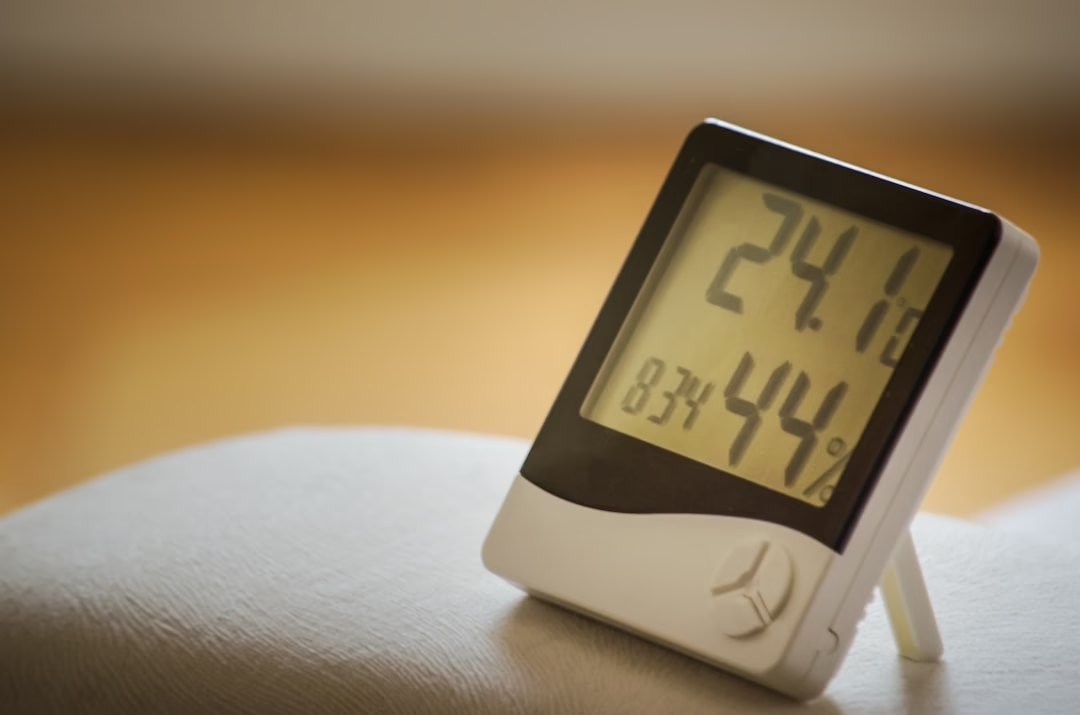
In the realm of sustainable architecture and urban planning, air quality has emerged as a crucial factor in developing greener buildings. As the world grapples with environmental challenges, the importance of creating sustainable structures that prioritize both human health and ecological balance has never been more apparent. Air quality monitors play a pivotal role in this process, serving as essential tools for enhancing indoor environmental quality and promoting the overall health of building occupants.
The significance of air quality in sustainable building practices cannot be overstated. Poor indoor air quality can lead to a range of health issues, from respiratory problems to decreased cognitive function. Moreover, it can significantly impact the energy efficiency of a building, as poor air quality often necessitates increased ventilation and air conditioning, leading to higher energy consumption. By integrating air quality monitors into the design and operation of buildings, architects and developers can create structures that not only minimize their environmental footprint but also provide healthier, more productive spaces for occupants.
Air quality monitors facilitate the development of greener buildings in several ways. These devices provide real-time data on various air quality parameters, including levels of carbon dioxide, volatile organic compounds (VOCs), particulate matter, and other pollutants. This information allows building managers to make informed decisions about ventilation, filtration, and other air quality control measures. Furthermore, by continuously monitoring air quality, these devices enable proactive maintenance and rapid response to any air quality issues, ensuring that buildings maintain optimal environmental conditions over time.
The integration of air quality monitors into sustainable building practices aligns with broader goals of environmental impact assessment and smart building technology. By providing detailed insights into the indoor environment, these monitors contribute to the overall sustainability of a structure, helping to reduce energy consumption, minimize waste, and create healthier spaces for occupants. As green building innovations continue to evolve, air quality monitoring has become an indispensable component of sustainable architecture, driving the development of more environmentally friendly and occupant-focused buildings.
Understanding Air Quality Monitoring Technologies
The field of air quality monitoring has seen significant advancements in recent years, with new technologies emerging to provide more accurate, comprehensive, and real-time data on indoor air quality. These innovations are transforming the way green buildings are designed, constructed, and operated, enabling unprecedented levels of environmental control and energy efficiency.
One of the most notable developments in air quality monitoring technology is the advent of compact, highly sensitive air quality sensors. These devices can detect a wide range of pollutants and environmental parameters, including particulate matter, carbon dioxide, volatile organic compounds, temperature, and humidity. Unlike traditional air quality monitoring equipment, which often required large, expensive installations, these modern sensors are small enough to be discreetly integrated into various parts of a building, providing granular data on air quality conditions throughout the structure.
Smart air monitoring systems take this technology a step further by networking multiple sensors and integrating them with building management systems. These interconnected systems allow for real-time monitoring and analysis of air quality data across an entire building or complex. By leveraging artificial intelligence and machine learning algorithms, these systems can identify patterns, predict potential air quality issues, and automatically adjust ventilation and filtration systems to maintain optimal indoor air quality.
The integration of these advanced air quality monitoring technologies with green building designs is revolutionizing sustainable architecture. For instance, some cutting-edge buildings now incorporate adaptive ventilation systems that adjust airflow based on real-time air quality data. This not only ensures consistently high indoor air quality but also optimizes energy use by avoiding unnecessary ventilation when air quality is already within acceptable parameters.
Moreover, the data gathered by these monitoring systems can be used to inform long-term strategies for improving building performance. By analyzing trends in air quality data, building managers can identify recurring issues, assess the effectiveness of different interventions, and make data-driven decisions about upgrades or modifications to building systems.
The synergy between air quality monitoring technologies and renewable energy solutions is another exciting frontier in sustainable building design. For example, some green buildings now use air quality data to optimize the operation of solar panels or wind turbines, ensuring that renewable energy generation is maximized during periods of high indoor air quality demand. This integration of smart air monitoring with renewable energy systems represents a holistic approach to building sustainability, addressing both energy efficiency and indoor environmental quality simultaneously.
As climate-responsive design becomes increasingly important in architecture, air quality monitoring technologies are playing a crucial role in creating buildings that can adapt to changing environmental conditions. By providing real-time data on indoor and outdoor air quality, these systems enable buildings to respond dynamically to environmental changes, maintaining optimal conditions for occupants while minimizing energy consumption and environmental impact.
Health Impacts of Indoor Air Quality
The quality of indoor air has a profound impact on the health and well-being of building occupants. As people spend an increasing amount of time indoors, particularly in urban environments, the importance of maintaining high indoor air quality has become a critical consideration in sustainable building practices. Air quality monitors play a crucial role in this effort by providing continuous data on air quality parameters, enabling building managers to take proactive measures to protect occupant health.
Poor indoor air quality has been linked to a range of health issues, with respiratory problems being among the most common. Exposure to pollutants such as particulate matter, volatile organic compounds, and mold spores can exacerbate conditions like asthma and allergies, and may even contribute to the development of chronic respiratory diseases. Moreover, high levels of carbon dioxide, often resulting from inadequate ventilation, can lead to symptoms such as headaches, fatigue, and difficulty concentrating.
The long-term benefits of improving air quality in buildings extend beyond immediate health concerns. Studies have shown that better indoor air quality can lead to increased productivity, reduced absenteeism, and improved cognitive function among building occupants. In office environments, this can translate to significant economic benefits, with some research suggesting that improved air quality can boost productivity by up to 8%.
Air quality improvement strategies in green buildings often focus on a combination of source control, ventilation, and filtration. Air quality monitors play a crucial role in this process by providing real-time data on pollutant levels, enabling building managers to identify and address air quality issues promptly. For example, if monitors detect elevated levels of volatile organic compounds, ventilation rates can be increased or air purification systems activated to bring pollutant levels back within acceptable ranges.
The integration of air quality monitoring with advanced ventilation systems is a key feature of many green buildings. These systems use data from air quality monitors to adjust ventilation rates dynamically, ensuring that fresh air is supplied at the right volume and at the right time to maintain optimal indoor air quality. This approach not only improves occupant health but also contributes to energy efficiency by avoiding over-ventilation when air quality is already satisfactory.
Energy-efficient building materials also play a crucial role in maintaining good indoor air quality. Many green buildings now use low-emitting materials for construction and furnishings, minimizing the introduction of pollutants into the indoor environment. Air quality monitors can help verify the effectiveness of these materials by tracking pollutant levels over time, ensuring that the building maintains high air quality throughout its lifecycle.
The health impacts of indoor air quality extend beyond physical health to encompass overall well-being and productivity. In green buildings equipped with comprehensive air quality monitoring systems, occupants often report higher levels of comfort, satisfaction, and productivity. This holistic approach to indoor environmental quality, which considers not just air quality but also factors like thermal comfort and lighting, is a hallmark of sustainable building design and contributes significantly to the creation of healthier, more productive indoor spaces.
The Role of Building Materials in Air Quality
The selection of building materials plays a crucial role in determining indoor air quality and, by extension, the overall sustainability and health impact of a building. As the green building movement has gained momentum, there has been increasing recognition of the need to consider the air quality implications of construction materials throughout a building’s lifecycle, from initial construction to ongoing maintenance and eventual renovation or demolition.
Building materials can influence indoor air quality in several ways. Many conventional building materials, such as certain types of paints, adhesives, and composite wood products, can emit volatile organic compounds (VOCs) and other pollutants into the indoor environment. These emissions can continue for months or even years after installation, contributing to poor indoor air quality and potentially causing health issues for building occupants.
On the other hand, carefully selected materials can actively contribute to better indoor air quality. For example, some advanced building materials are designed to absorb and neutralize pollutants from the air, acting as passive air purifiers. Others are simply formulated to have minimal emissions, reducing the overall pollutant load in the indoor environment.
When selecting materials for green buildings with a focus on air quality, several factors should be considered:
1. Low-emitting materials: Choose materials that have been certified as low-emitting by reputable third-party organizations. This includes paints, adhesives, sealants, flooring materials, and composite wood products.
2. Natural materials: Many natural materials, such as stone, clay, and solid wood, tend to have lower emissions compared to synthetic alternatives.
3. Moisture-resistant materials: In humid environments, select materials that resist moisture absorption to prevent mold growth, which can significantly impact indoor air quality.
4. Easily cleanable surfaces: Materials that can be easily cleaned and maintained without harsh chemicals help maintain good air quality over time.
5. Air-purifying materials: Consider innovative materials that actively remove pollutants from the air, such as photocatalytic surfaces that break down VOCs when exposed to light.
Air quality monitors play a crucial role in verifying the effectiveness of material choices in maintaining good indoor air quality. By continuously monitoring pollutant levels, these devices can help building managers identify any unexpected emissions from building materials and take corrective action if necessary.
Moreover, the data gathered by air quality monitors can inform future material selections, contributing to a cycle of continuous improvement in sustainable building practices. For instance, if monitors consistently detect elevated levels of certain pollutants, this information can be used to refine material selection criteria for future projects or renovations.
The integration of air quality considerations into material selection also aligns with broader sustainable construction techniques. Many low-emitting materials are also more environmentally friendly in terms of their production and disposal, contributing to the overall sustainability of the building. This holistic approach to material selection, which considers both indoor environmental quality and broader environmental impact, is a key principle of green building design.
As sustainable architecture continues to evolve, the relationship between building materials and air quality remains a critical area of focus. By leveraging air quality monitoring data and staying informed about advancements in material science, architects and builders can create structures that not only minimize their environmental footprint but also actively contribute to the health and well-being of their occupants through improved indoor air quality.
Integrating Renewable Energy Solutions in Buildings
The integration of renewable energy solutions in buildings represents a significant opportunity to enhance both energy efficiency and air quality. As the world moves towards more sustainable forms of energy production, the synergy between renewable energy systems and air quality improvement in buildings is becoming increasingly apparent. Air quality monitors play a crucial role in this integration, providing data that can be used to optimize the operation of renewable energy systems and ensure that they contribute to overall building sustainability.
Renewable energy systems, such as solar panels and wind turbines, can enhance air quality in buildings in several ways. Firstly, by reducing reliance on fossil fuel-based energy sources, these systems help to decrease overall air pollution, both indoors and outdoors. This is particularly important in urban areas where air pollution from energy production can significantly impact local air quality.
Moreover, the integration of renewable energy systems with smart building technologies allows for more efficient management of building systems, including those related to air quality control. For example, excess energy produced by solar panels during peak sunlight hours can be used to power air purification systems or increase ventilation rates, improving indoor air quality without increasing the building’s carbon footprint.
Air quality monitors provide valuable data that can be used to optimize the operation of renewable energy systems in relation to air quality management. For instance, if monitors detect elevated levels of indoor pollutants, this information can trigger increased energy allocation to ventilation and air purification systems. Conversely, when air quality is good, energy can be redirected to other building systems or stored for later use.
The challenges in integrating renewable energy solutions with air quality management are primarily related to system complexity and the need for sophisticated control algorithms. Buildings must be designed with a holistic approach that considers the interplay between energy production, energy consumption, and indoor environmental quality. This requires careful planning and the use of advanced building management systems capable of processing data from multiple sources, including air quality monitors and renewable energy production metrics.
Despite these challenges, the opportunities presented by the integration of renewable energy and air quality management are significant. Case examples of buildings successfully utilizing this approach demonstrate the potential for creating highly efficient, healthy, and sustainable structures. For instance, some cutting-edge office buildings now use solar energy to power advanced air filtration systems during periods of high outdoor pollution, providing a safe and healthy indoor environment even in challenging urban locations.
The integration of renewable energy solutions also aligns with the principles of climate-responsive design, allowing buildings to adapt to changing environmental conditions while maintaining optimal indoor air quality. For example, in areas with variable air quality due to seasonal factors, buildings can adjust their energy use and air quality management strategies based on real-time data from both air quality monitors and renewable energy production systems.
As sustainable air systems continue to evolve, the role of renewable energy in supporting air quality management is likely to grow. Future developments may include more sophisticated energy storage solutions that allow for better matching of renewable energy production with air quality management needs, as well as advanced predictive algorithms that can anticipate air quality issues and preemptively adjust building systems.
The integration of renewable energy solutions with air quality management represents a frontier in sustainable building design, offering the potential to create structures that are not only energy-efficient but also actively contribute to the health and well-being of their occupants through improved air quality. As this field continues to develop, air quality monitors will remain essential tools in optimizing the performance of these integrated systems and ensuring that buildings meet the highest standards of sustainability and occupant health.
Smart Building Technology for Sustainable Air Systems
Smart building technology has revolutionized the way we approach air quality management in sustainable buildings. By leveraging advanced sensors, data analytics, and automated control systems, smart buildings can monitor and improve air quality with unprecedented precision and efficiency. Air quality monitors are at the heart of these smart systems, providing the real-time data necessary for informed decision-making and proactive air quality management.
The role of smart building technology in monitoring and improving air quality is multifaceted. At the most basic level, smart systems use data from air quality monitors to track key parameters such as particulate matter, carbon dioxide levels, humidity, and volatile organic compounds. This information is then processed and analyzed to provide a comprehensive picture of indoor air quality throughout the building.
However, the true power of smart building technology lies in its ability to act on this data automatically. Advanced building management systems can use air quality data to make real-time adjustments to ventilation rates, activate air purification systems, or modify temperature and humidity settings. This dynamic approach ensures that air quality is consistently maintained at optimal levels while also minimizing energy consumption.
Moreover, smart building systems can integrate air quality data with other building metrics, such as occupancy levels and outdoor environmental conditions, to create more sophisticated and context-aware air quality management strategies. For example, a smart building might increase ventilation rates in a conference room when occupancy sensors detect that it’s in use, or adjust filtration settings based on outdoor pollution levels.
Optimizing smart systems for green buildings involves several key considerations:
1. Sensor placement and calibration: Ensuring that air quality monitors are strategically placed throughout the building and regularly calibrated for accuracy.
2. Data integration: Combining air quality data with other building metrics to create a holistic view of building performance.
3. Predictive analytics: Using historical data and machine learning algorithms to anticipate air quality issues before they occur.
4. Energy efficiency: Balancing air quality improvements with energy conservation goals.
5. Occupant feedback: Incorporating user feedback mechanisms to fine-tune air quality management strategies.
The advancement of smart building technologies has led to significant improvements in the management of indoor air quality. Modern systems can detect a wide range of pollutants and environmental parameters with high precision, allowing for more targeted and effective interventions. For instance, some advanced systems can now identify specific types of volatile organic compounds, enabling building managers to trace pollutants to their source and address the root cause of air quality issues.
Integrating smart ventilation systems with air quality monitors has become a key strategy in enhancing building sustainability. These systems use data from air quality monitors to adjust ventilation rates dynamically, ensuring that fresh air is supplied only when and where it’s needed. This approach not only maintains excellent indoor air quality but also significantly reduces energy consumption compared to traditional constant-volume ventilation systems.
The role of artificial intelligence and machine learning in smart building systems is growing, with these technologies being used to analyze complex patterns in air quality data and predict future trends. This predictive capability allows building managers to take proactive measures to maintain air quality, such as scheduling maintenance or adjusting building operations in anticipation of potential air quality issues.
As smart building technology continues to evolve, we can expect to see even more sophisticated approaches to air quality management. Future developments may include the integration of personal wearable devices with building systems, allowing for more personalized air quality control, or the use of advanced materials that can actively sense and respond to changes in air quality.
The integration of smart building technology with sustainable air systems represents a significant step forward in creating healthier, more efficient buildings. By leveraging the power of real-time data and automated control systems, smart buildings can maintain exceptional indoor air quality while minimizing their environmental impact. As this technology continues to advance, it will play an increasingly important role in shaping the future of sustainable architecture and urban development.
Conclusion
Air quality monitors have emerged as indispensable tools in the development of greener buildings, driving the future of sustainable building practices. By providing real-time, accurate data on indoor air quality, these devices enable building managers to make informed decisions about ventilation, filtration, and other air quality control measures. This data-driven approach not only ensures healthier indoor environments for occupants but also contributes to improved energy efficiency and overall building sustainability. The integration of air quality monitors into smart building systems represents a significant advancement in sustainable architecture, allowing for dynamic, responsive management of indoor air quality that balances the need for clean air with energy conservation goals.
As sustainable building practices continue to evolve, air quality monitors will play an increasingly central role in driving innovation and improvement. These devices not only contribute to the creation of healthier, more comfortable indoor environments but also support broader sustainability goals by enabling more efficient use of resources and energy. In conclusion, air quality monitors are not just tools for measuring indoor air quality; they are catalysts for a new paradigm in sustainable building design. By providing the data and insights necessary to create truly responsive, efficient, and healthy buildings, these devices are helping to shape a future where our built environment actively contributes to both human well-being and ecological balance.
