
Introduction to Environmental Monitoring in Distilleries
Environmental monitoring represents a systematic approach to tracking, measuring, and analyzing various operational parameters within distillery facilities. In the spirits production industry, this practice encompasses the continuous observation of energy consumption, water usage, emissions, waste generation, and production processes. Distilleries face unique operational challenges that make environmental monitoring particularly valuable. The fermentation and distillation processes consume substantial amounts of energy and water while generating significant waste streams and emissions. Without proper oversight, these operations can lead to unnecessary resource depletion and financial losses that directly impact profitability.
Measuring return on investment from environmental monitoring initiatives has become crucial for distilleries seeking to maintain competitive advantages in an increasingly sustainability-conscious market. The ability to quantify financial benefits helps distillery managers justify capital expenditures on monitoring systems and demonstrates value to stakeholders. Moreover, calculating ROI provides concrete metrics that guide strategic decision-making regarding resource allocation and operational improvements. Many distilleries have discovered that environmental monitoring systems pay for themselves within remarkably short timeframes through identified savings and efficiency gains.
The connection between environmental monitoring and operational efficiency becomes apparent when examining real-world applications. A whisky distillery in Scotland implemented comprehensive monitoring systems and identified that their steam generation process operated at suboptimal efficiency levels. The data revealed that adjusting boiler operations during off-peak production hours reduced energy consumption by eighteen percent annually. Similarly, another facility discovered through water monitoring that cooling systems leaked approximately fifteen thousand gallons weekly, representing both environmental waste and unnecessary utility costs. These examples illustrate how environmental monitoring transforms abstract sustainability goals into measurable operational improvements that enhance profitability.
Distillery operations inherently involve numerous points where losses can occur without detection. Fermentation temperature fluctuations, inconsistent distillation temperatures, steam leaks, water waste, and inefficient heating systems all contribute to reduced yields and increased operational costs. Environmental monitoring provides the visibility needed to identify these issues before they compound into significant financial impacts. The technology creates accountability throughout production processes and empowers operators to make data-driven adjustments that optimize outcomes. Furthermore, comprehensive monitoring establishes baseline performance metrics that enable distilleries to track improvement over time and benchmark against industry standards.
Technologies and Best Practices for Efficiency Monitoring
Modern distilleries have access to sophisticated technologies that transform environmental monitoring from manual observation to automated, real-time data collection and analysis. Energy monitoring systems represent one of the most impactful technologies available, utilizing smart meters and sensors to track electricity and fuel consumption across different production stages. These systems break down energy usage by specific equipment, allowing managers to identify inefficient machinery or processes that consume disproportionate resources. Additionally, thermal imaging cameras detect heat loss and insulation failures that waste energy during distillation and maturation processes.
Water management technologies have evolved significantly to address the spirits industry’s substantial water requirements. Flow meters installed throughout facilities measure water consumption at various production points, from mashing through cooling operations. Advanced systems can detect anomalies in usage patterns that indicate leaks or equipment malfunctions, triggering immediate alerts to maintenance teams. Some distilleries have implemented closed-loop water systems that recycle cooling water, dramatically reducing fresh water demand while maintaining production quality. These technologies typically integrate with central monitoring platforms that provide comprehensive dashboards displaying real-time and historical water usage data.
Data analytics tools have become essential components of effective environmental monitoring programs. Internet of Things sensors collect continuous streams of information about temperature, humidity, pressure, flow rates, and chemical composition throughout production facilities. Cloud-based analytics platforms process this data to identify trends, predict maintenance needs, and recommend operational adjustments. Machine learning algorithms can detect subtle patterns that human operators might overlook, such as gradual efficiency declines that indicate impending equipment failures. The insights generated from these analytics enable proactive management rather than reactive problem-solving, preventing losses before they occur.
Implementing monitoring technologies effectively requires careful planning and adherence to proven best practices. Distilleries should begin by conducting comprehensive energy audits and process assessments to identify the highest-priority monitoring opportunities. Installing sensors at critical control points throughout production workflows ensures data collection captures the most impactful operational parameters. Integration between monitoring systems and existing production management software creates seamless information flow that enhances usability and adoption among staff members. Regular calibration of sensors and meters maintains data accuracy, which forms the foundation for reliable decision-making.
Training programs that educate operators and managers on interpreting monitoring data and responding appropriately maximize technology investments. Many distilleries establish cross-functional teams that review monitoring data weekly, discussing anomalies and collaborating on improvement initiatives. Setting realistic targets based on baseline measurements provides clear goals that motivate continuous improvement efforts. Documenting standard operating procedures for responding to monitoring alerts ensures consistent, appropriate actions when systems detect issues. These practices transform monitoring technologies from passive data collection tools into active drivers of operational excellence that generate substantial returns through reduced waste and enhanced efficiency.
Sustainability Metrics and Performance Indicators
Identifying and tracking appropriate sustainability metrics enables distilleries to quantify environmental performance and connect these measurements to financial outcomes. Energy intensity, measured as energy consumed per unit of spirits produced, serves as a fundamental metric that reveals efficiency trends over time. Distilleries typically express this measurement in kilowatt-hours per liter or British thermal units per gallon, allowing comparisons across facilities of different sizes and production volumes. Water consumption ratios similarly normalize usage against production output, highlighting opportunities to reduce this critical resource dependency. Waste generation metrics track both solid waste sent to landfills and liquid effluent requiring treatment, with leading distilleries achieving waste-to-landfill rates approaching zero through innovative recycling and byproduct valorization programs.
Carbon footprint calculations aggregate emissions across all operational aspects, including direct combustion emissions, purchased electricity, transportation, and supply chain impacts. Many distilleries now conduct comprehensive greenhouse gas inventories following established protocols that enable accurate reporting and comparison with industry benchmarks. These calculations often reveal surprising insights about emission sources, with some facilities discovering that purchased goods and services represent larger carbon impacts than direct production operations. By quantifying emissions systematically, distilleries can prioritize reduction efforts toward activities offering the greatest environmental and financial returns.
The relationship between sustainability metrics and return on investment becomes evident through systematic tracking and analysis. When distilleries reduce energy intensity by implementing efficient equipment or optimizing processes, they simultaneously lower utility costs while decreasing environmental impact. A ten percent improvement in energy efficiency can translate to hundreds of thousands of dollars in annual savings for large-scale operations. Water reduction initiatives similarly generate cost savings through decreased utility bills and reduced wastewater treatment expenses. Many municipalities charge both for water supply and wastewater discharge, effectively doubling the financial benefit of conservation measures. Beyond direct cost savings, improved sustainability metrics enhance brand reputation and appeal to environmentally conscious consumers willing to pay premiums for products from responsible producers.
Performance indicators extend beyond environmental metrics to encompass broader operational excellence measures that correlate with sustainability improvements. Overall equipment effectiveness tracks how efficiently production assets perform their intended functions, accounting for availability, performance rate, and quality output. Yield rates measure the percentage of raw materials successfully converted into finished spirits, with higher yields indicating less waste and greater efficiency. First-pass quality rates assess the proportion of production meeting specifications without requiring rework, which consumes additional resources. These indicators create comprehensive views of operational health that connect environmental stewardship with profitability and competitiveness.
Regulatory Compliance and Green Certifications
The regulatory landscape governing distillery operations continues evolving toward stricter environmental standards that compel facilities to enhance monitoring and reporting capabilities. Recent updates from the Environmental Protection Agency have expanded requirements for emissions tracking and reporting, particularly regarding volatile organic compounds released during fermentation and storage processes. Distilleries must now demonstrate compliance through documented monitoring data, making robust environmental monitoring systems essential rather than optional. Similarly, water discharge regulations have intensified in many jurisdictions, with authorities imposing stricter limits on biochemical oxygen demand, pH levels, and specific contaminants in wastewater streams.
State and local regulations often impose additional requirements beyond federal standards, creating complex compliance obligations for distillery operators. Some regions mandate annual energy efficiency audits or greenhouse gas emission inventories that require systematic data collection throughout the reporting period. Failure to maintain adequate monitoring systems and documentation can result in significant penalties, operational restrictions, or even facility closures in extreme cases. Moreover, regulatory agencies increasingly expect continuous improvement in environmental performance rather than simple maintenance of minimum compliance thresholds. This expectation makes environmental monitoring essential for demonstrating progress and maintaining positive relationships with regulators.
Green certifications provide formal recognition of superior environmental performance while offering marketing advantages and operational benefits. The ENERGY STAR certification program for industrial facilities recognizes distilleries operating in the top twenty-five percent of energy efficiency within their sector. Achieving this certification requires comprehensive energy monitoring data that documents consumption patterns and validates efficiency improvements. The certification process itself often identifies additional optimization opportunities that deliver further returns beyond the recognition benefits. Leadership in Energy and Environmental Design certification assesses facilities across multiple environmental dimensions, including energy efficiency, water conservation, waste management, and indoor environmental quality.
Numerous specialized certifications exist specifically for the spirits industry, addressing unique production considerations and consumer expectations. Organic certifications require monitoring agricultural inputs and production processes to verify compliance with strict chemical usage prohibitions. Sustainable distillation certifications evaluate comprehensive environmental management systems, social responsibility practices, and economic sustainability. These certifications increasingly influence purchasing decisions among environmentally conscious consumers and create differentiating factors in competitive markets. The documentation requirements associated with certification processes necessitate robust monitoring systems that capture relevant data continuously and reliably.
The return on investment from regulatory compliance and green certifications manifests through multiple channels beyond avoiding penalties. Many utilities offer rebates and incentive programs for facilities demonstrating energy efficiency improvements through certified monitoring and verification processes. Tax credits and accelerated depreciation schedules for environmental investments provide financial benefits that improve project economics. Enhanced market positioning enables premium pricing or market share gains that significantly exceed certification costs. Furthermore, proactive compliance reduces risks of unexpected regulatory actions that could disrupt operations or require expensive remediation efforts, protecting long-term profitability and operational stability.
Innovations in Environmental Monitoring for Distilleries
Cutting-edge technologies are revolutionizing environmental monitoring capabilities, enabling distilleries to achieve unprecedented levels of insight and control over their operations. Advanced sensor networks utilizing wireless connectivity eliminate the need for extensive cabling infrastructure, reducing installation costs while enabling monitoring in previously inaccessible locations. These sensors can measure dozens of parameters simultaneously with remarkable precision, from minute temperature variations affecting fermentation quality to real-time chemical composition of process streams. Battery-powered sensors with multi-year operational lifespans require minimal maintenance, making comprehensive monitoring economically feasible for distilleries of all sizes.
Artificial intelligence and machine learning applications represent perhaps the most transformative innovation in environmental monitoring technology. These systems analyze historical patterns to predict optimal operating conditions for specific production batches, accounting for variables like ambient temperature, raw material characteristics, and equipment performance. Predictive maintenance algorithms identify subtle changes in equipment behavior that indicate developing problems, enabling repairs before failures occur and prevent costly downtime. Some advanced systems can automatically adjust process parameters in response to changing conditions, maintaining optimal efficiency without human intervention while documenting all adjustments for quality assurance and regulatory compliance purposes.
Blockchain technology has emerged as a promising tool for creating transparent, tamper-proof records of environmental performance data. This innovation addresses growing consumer demand for verifiable sustainability claims by creating immutable documentation of production practices and environmental impacts. Distilleries can demonstrate authenticity of sustainability achievements to customers, investors, and certification bodies with unprecedented credibility. Additionally, blockchain-enabled supply chain tracking extends monitoring beyond facility boundaries to encompass raw material sourcing, transportation emissions, and distribution impacts, providing comprehensive lifecycle environmental assessments.
Digital twin technology creates virtual replicas of physical distillery operations that enable sophisticated scenario testing and optimization without disrupting actual production. These digital models incorporate real-time monitoring data to accurately reflect current operational conditions while allowing operators to simulate potential changes and predict outcomes. Distillery managers can test alternative production schedules, equipment configurations, or process parameters virtually, identifying optimal approaches before implementing changes in physical facilities. This capability dramatically reduces the risk and cost associated with operational improvements while accelerating the pace of efficiency enhancement initiatives.
The financial returns from adopting innovative monitoring technologies can be substantial despite significant upfront investments. A bourbon distillery in Kentucky implemented artificial intelligence-powered fermentation monitoring and increased alcohol yields by two percent while reducing fermentation time by eight hours per batch. These improvements generated annual savings exceeding five hundred thousand dollars while enhancing production capacity without facility expansion. Another facility deployed comprehensive wireless sensor networks for steam system monitoring and identified leaks representing twelve percent of total steam production, with repairs recovering annual fuel costs equivalent to the entire monitoring system investment. These examples demonstrate how technological innovation in environmental monitoring creates competitive advantages through superior operational efficiency and resource utilization.
Future Trends in Distillery Sustainability
The distillery industry stands at the threshold of transformative changes in how facilities approach environmental monitoring and sustainability management. Zero-waste production models are gaining traction as distilleries discover innovative uses for traditional waste streams, converting spent grains into animal feed, biogas, or building materials. This trend requires enhanced monitoring of byproduct quality and generation rates to optimize valorization processes and demonstrate environmental benefits. Similarly, circular economy principles are reshaping distillery operations, with facilities designing production systems that minimize virgin resource inputs through recycling, regeneration, and closed-loop processes that dramatically reduce environmental footprints.
Renewable energy integration represents another major trend transforming distillery sustainability profiles. Solar photovoltaic systems, wind turbines, and biomass energy plants are increasingly common at distillery sites, reducing dependence on fossil fuels while lowering long-term energy costs. These installations require sophisticated monitoring systems that balance renewable generation with production demands, optimize energy storage utilization, and manage grid interactions. Some distilleries have achieved net-zero energy status, producing as much renewable energy as they consume annually, a milestone that requires comprehensive monitoring to verify and maintain. Advanced energy management systems will become standard infrastructure as renewable costs continue declining and sustainability expectations intensify.
Climate adaptation strategies will become increasingly important as changing weather patterns affect raw material availability, water resources, and production conditions. Distilleries must enhance monitoring capabilities to detect and respond to climate-related impacts on fermentation efficiency, cooling system effectiveness, and supply chain reliability. Drought-resilient water management practices, heat-tolerant production processes, and flexible sourcing strategies will require robust environmental monitoring to implement successfully. Forward-thinking distilleries are already investing in monitoring infrastructure that provides the data necessary for climate risk assessments and adaptation planning.
Consumer transparency expectations continue rising, with customers demanding detailed information about environmental impacts of products they purchase. This trend will drive distilleries to expand monitoring beyond traditional operational parameters to encompass comprehensive lifecycle assessments and supply chain environmental performance. Expect to see increased adoption of environmental product declarations, carbon footprint labeling, and water stewardship certifications that require extensive monitoring data. Technologies enabling consumer access to product-specific environmental information through smartphone apps or packaging features will create new competitive dynamics favoring distilleries with sophisticated monitoring and transparency capabilities.
Preparing for these emerging trends requires strategic investments in flexible, scalable monitoring infrastructure. Distilleries should prioritize systems utilizing open standards and interoperable platforms that accommodate future technology integration without requiring complete replacement. Building internal expertise in data analytics and environmental management ensures organizations can extract maximum value from monitoring investments as technologies evolve. Collaborating with industry peers, technology providers, and research institutions accelerates learning and provides early access to innovative solutions. Most importantly, embedding sustainability into core business strategy rather than treating it as peripheral compliance activity positions distilleries to thrive in an increasingly environmentally conscious marketplace where monitoring excellence creates enduring competitive advantages.
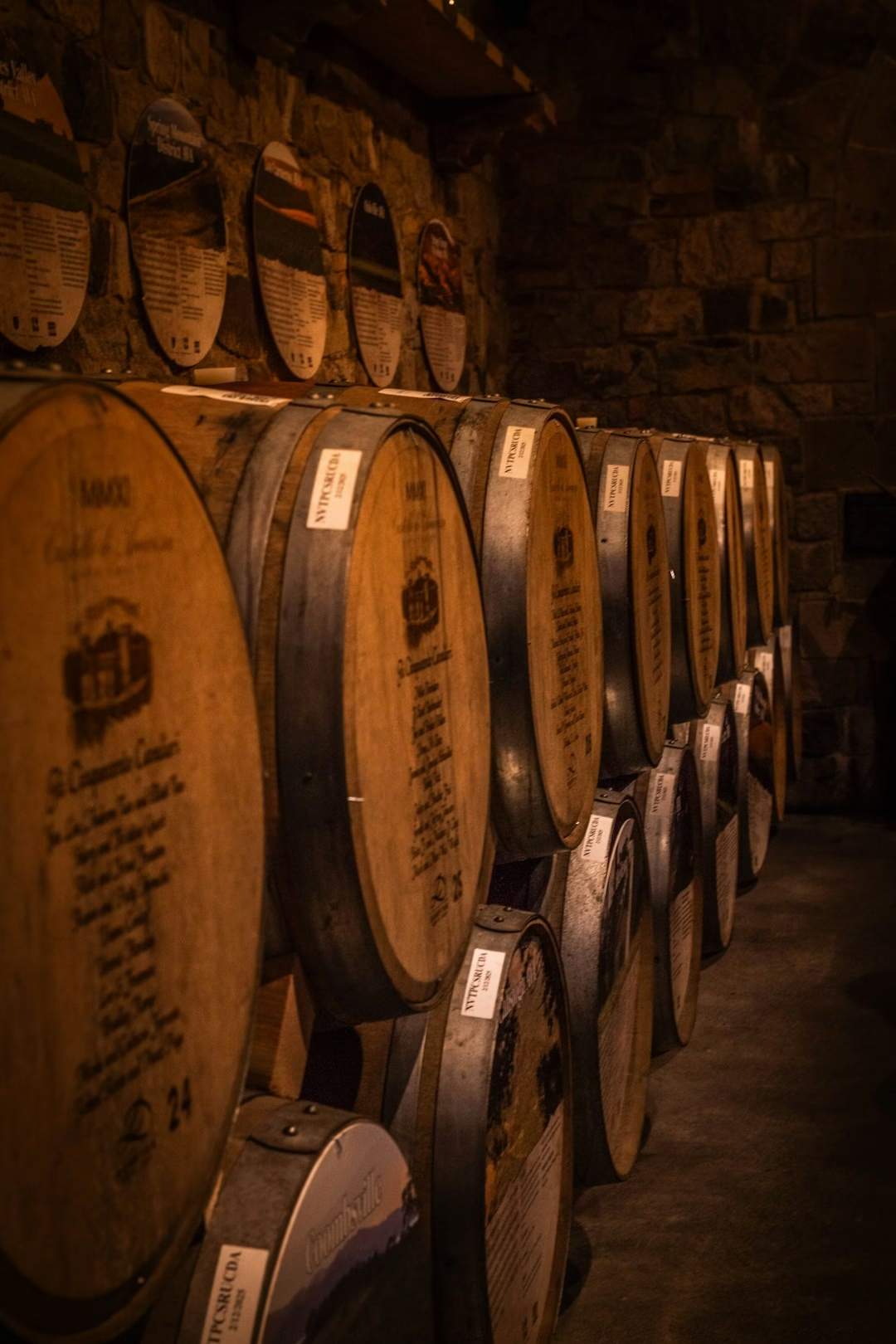
The return on environmental monitoring investment in a distillery operates across multiple cost categories. Preventing temperature or humidity excursions during barrel aging reduces product loss and batch inconsistency. Monitoring CO2 in fermentation areas supports worker safety compliance and helps optimize ventilation scheduling. And having a continuous environmental record simplifies regulatory documentation that would otherwise require manual logging. These benefits compound over time in ways that periodic inspections cannot deliver.
Nosy provides continuous monitoring of temperature, humidity, CO2, atmospheric pressure, and tVOCs across distillery facilities, with readings every five minutes and automated monthly reports. Hardware costs less than $250 per sensor with a SaaS subscription of $2-5 per month per sensor, making building-wide coverage feasible for small and mid-size producers. At a craft distillery in Rhode Island, Nosy is deployed across barrel aging and production areas, providing the environmental data that supports both quality control and cost management. More on how distilleries are using this approach at Nosy for Craft Distilleries.
Conclusion
Environmental monitoring has emerged as an indispensable tool for distilleries seeking to reduce operational losses while maximizing efficiency in increasingly competitive markets. The comprehensive approach to tracking energy consumption, water usage, waste generation, and emissions transforms abstract sustainability goals into concrete operational improvements that enhance profitability. Through systematic monitoring, distilleries gain unprecedented visibility into production processes, enabling identification of inefficiencies that would otherwise remain hidden and continue draining resources indefinitely. The financial returns from monitoring investments manifest through multiple channels, including direct cost savings from reduced resource consumption, avoided regulatory penalties, enhanced market positioning, and qualification for incentive programs.
The technologies and practices discussed throughout this exploration demonstrate that environmental monitoring delivers value across all operational aspects. Energy management systems optimize utility consumption while reducing carbon footprints. Water monitoring technologies identify conservation opportunities that lower both supply costs and wastewater treatment expenses. Advanced analytics platforms transform raw data into actionable insights that guide strategic decision-making and continuous improvement initiatives. When implemented thoughtfully with attention to best practices, these technologies generate returns that typically exceed initial investments within two to three years while providing ongoing benefits throughout their operational lifespans.
Sustainability metrics and performance indicators provide the quantitative foundation necessary for measuring progress and demonstrating value to stakeholders. By establishing baseline measurements and tracking improvements over time, distilleries create compelling narratives about their environmental stewardship while documenting the business case for continued sustainability investments. Regulatory compliance benefits extend beyond avoiding penalties to encompass proactive positioning that reduces operational risks and maintains positive relationships with oversight authorities. Green certifications amplify these advantages by providing formal recognition that differentiates brands in consumer markets increasingly influenced by environmental considerations.
Looking forward, the integration of innovative monitoring technologies and sustainability practices will increasingly define success within the spirits industry. Artificial intelligence, machine learning, digital twins, and blockchain applications represent the cutting edge of environmental monitoring capabilities that will become mainstream within the next decade. Distilleries that embrace these innovations early will establish competitive advantages through superior efficiency, quality, and sustainability performance. Meanwhile, emerging trends toward zero-waste production, renewable energy integration, climate adaptation, and consumer transparency will create new imperatives for comprehensive environmental monitoring that extends across entire value chains.
The path toward enhanced environmental monitoring and sustainability requires commitment from distillery leadership, investment in appropriate technologies, and cultivation of organizational capabilities to utilize monitoring data effectively. However, the evidence overwhelmingly demonstrates that these investments generate substantial returns through reduced losses, improved efficiency, enhanced market positioning, and future-proofed operations capable of thriving amid evolving regulatory requirements and consumer expectations. Distilleries that recognize environmental monitoring as a strategic imperative rather than compliance burden will lead the industry’s transformation toward sustainable production practices that preserve both environmental resources and long-term profitability. The question facing distillery operators today is not whether to implement comprehensive environmental monitoring, but rather how quickly they can deploy these capabilities to capture available benefits and secure competitive positions in an industry where sustainability excellence increasingly determines success.
