
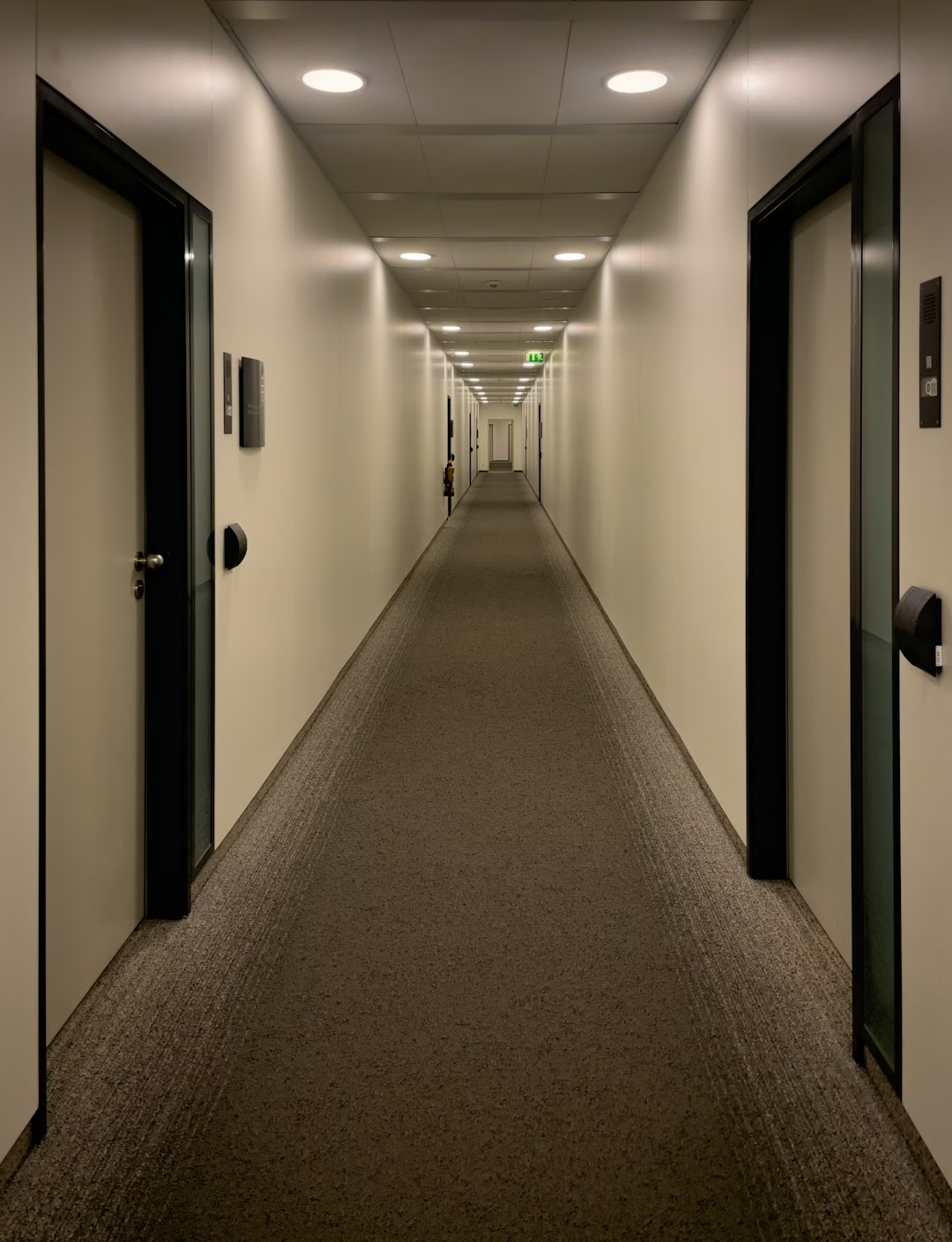
In the rapidly evolving landscape of smart building technology, connected lighting has emerged as a pivotal component in revolutionizing building management systems. Connected lighting refers to an intelligent network of light fixtures, sensors, and controls that communicate with each other and integrate with other building systems. This advanced lighting infrastructure plays a crucial role in enhancing building automation, improving energy efficiency, and optimizing overall building performance.
Connected lighting systems are at the forefront of smart building technology, serving as the backbone for creating intelligent and responsive environments. These systems go beyond traditional lighting functions by incorporating sensors, data analytics, and wireless communication capabilities. This integration allows building managers to monitor, control, and optimize lighting usage in real-time, contributing significantly to energy conservation and operational efficiency.
The importance of connected lighting in smart building management cannot be overstated. As buildings become increasingly complex and energy-intensive, the need for intelligent systems that can adapt to changing conditions and user needs has become paramount. Connected lighting addresses this need by providing a flexible and scalable solution that can be easily integrated with other building management systems.
One of the key advantages of connected lighting is its ability to seamlessly integrate with building automation systems. This integration enables a holistic approach to building management, where lighting, HVAC, security, and other systems work in tandem to create an optimal environment. For instance, occupancy sensors used in connected lighting can provide valuable data to adjust heating and cooling systems, ensuring energy is not wasted in unoccupied spaces.
Furthermore, connected lighting systems play a crucial role in enhancing energy efficiency in smart buildings. By leveraging advanced sensors and controls, these systems can automatically adjust lighting levels based on occupancy, time of day, and available natural light. This dynamic control not only reduces energy consumption but also contributes to significant cost savings over time.
Benefits of Connected Lighting in Smart Buildings
The implementation of connected lighting systems in smart buildings offers a multitude of benefits, particularly in terms of energy efficiency, operational improvements, and enhanced occupant comfort and productivity.
Energy efficiency stands out as one of the most significant advantages of connected lighting systems. These systems utilize advanced sensors and controls to optimize lighting usage, resulting in substantial energy savings. For instance, daylight harvesting techniques adjust artificial lighting based on the amount of natural light available, reducing unnecessary energy consumption. Occupancy sensors ensure that lights are only active when spaces are in use, further minimizing waste. Studies have shown that smart lighting solutions can lead to energy savings of up to 80% compared to traditional lighting systems, translating into significant cost reductions for building owners and operators.
From an operational perspective, connected lighting systems offer unprecedented control and management capabilities. Facility managers can monitor and control lighting across entire buildings or campuses from a centralized platform, allowing for quick adjustments and efficient maintenance. Real-time data on energy usage and system performance enables proactive maintenance, reducing downtime and extending the lifespan of lighting fixtures. This level of control not only streamlines operations but also contributes to reduced maintenance costs and improved overall building efficiency.
Connected lighting systems also play a crucial role in improving occupant comfort and productivity. These systems can be programmed to mimic natural light patterns, supporting occupants’ circadian rhythms and potentially enhancing well-being and productivity. Personalized lighting controls allow individuals to adjust lighting to their preferences, creating a more comfortable and conducive work environment. In educational settings, studies have shown that proper lighting can improve student performance and reduce fatigue.
Moreover, the data collected by connected lighting systems can provide valuable insights into space utilization and occupancy patterns. This information can be used to optimize space allocation, improve building layout, and inform decisions on energy management strategies. For example, if certain areas are consistently underutilized, lighting schedules can be adjusted accordingly, or the space can be repurposed to maximize efficiency.
The environmental benefits of connected lighting extend beyond energy savings. By reducing energy consumption, these systems contribute to lower carbon emissions, helping buildings meet sustainability goals and comply with increasingly stringent environmental regulations. This aspect is particularly important for organizations striving to improve their environmental performance and corporate social responsibility.
How Connected Lighting Systems Work
Connected lighting systems represent a sophisticated integration of various technologies, with the Internet of Things (IoT) playing a central role in their functionality. These systems comprise several key components that work together to create an intelligent and responsive lighting infrastructure.
At the core of connected lighting systems are smart LED fixtures equipped with built-in sensors and wireless communication modules. These fixtures serve as nodes in a network, capable of collecting data and communicating with a central management system. The sensors integrated into these fixtures can detect various environmental factors such as occupancy, ambient light levels, and temperature.
IoT technology is fundamental to the operation of connected lighting systems. It enables seamless communication between lighting fixtures, sensors, and the central control system. This interconnectedness allows for real-time data exchange and control, forming the basis for dynamic and responsive lighting solutions. For instance, when an occupancy sensor detects movement in a room, it can instantly communicate this information to the lighting control system, which then adjusts the lighting accordingly.
The role of occupancy sensors in smart lighting systems cannot be overstated. These sensors use technologies such as passive infrared (PIR) or ultrasonic detection to identify the presence of people in a space. When integrated with connected lighting, occupancy sensors enable automatic lighting control based on room usage, ensuring that lights are only on when needed. This not only saves energy but also enhances user convenience.
Data analytics plays a crucial role in the effectiveness of connected lighting systems. The vast amount of data collected by sensors is processed and analyzed to provide actionable insights. This analysis can reveal patterns in building usage, energy consumption trends, and opportunities for further optimization. For example, data analytics might identify that certain areas of a building are consistently underutilized during specific times, allowing facility managers to adjust lighting schedules or repurpose spaces for better efficiency.
The integration of IoT in connected lighting extends beyond just lighting control. These systems can serve as a platform for other smart building applications. For instance, the network of sensors in a connected lighting system can be utilized for asset tracking, indoor positioning, or even monitoring air quality. This multi-functionality makes connected lighting a cost-effective way to implement various smart building features without the need for additional infrastructure.
Wireless lighting control is another key aspect of connected lighting systems. Technologies like Bluetooth Low Energy (BLE), Zigbee, or Wi-Fi are commonly used to enable wireless communication between fixtures and control systems. This wireless capability offers flexibility in installation and reconfiguration, making it easier to adapt the lighting system to changing building needs.
Comparing Smart Lighting Solutions
When it comes to implementing connected lighting in smart buildings, decision-makers are faced with a variety of options. Understanding the different types of smart lighting solutions and their respective advantages is crucial for choosing the most suitable system for a particular building’s needs.
One of the primary distinctions in smart lighting solutions is between wired and wireless systems. Wired systems, typically using protocols like DALI (Digital Addressable Lighting Interface), offer reliable and secure communication. They are often preferred in new constructions or major renovations where installing new wiring is feasible. Wireless systems, on the other hand, provide greater flexibility and are easier to retrofit in existing buildings. They use technologies like Zigbee, Bluetooth Low Energy, or Wi-Fi to communicate, making installation less intrusive and more cost-effective in many cases.
LED smart lighting has become the standard in modern smart lighting solutions due to its energy efficiency and longevity. These systems can be further categorized based on their level of intelligence and integration capabilities. Basic smart LED systems offer remote control and scheduling features, while more advanced systems incorporate sensors, data analytics, and integration with other building systems.
When choosing the best smart lighting system for a building, several factors should be considered:
1. Building Type and Size: The scale and purpose of the building influence the complexity of the lighting system required. Large commercial buildings may benefit from more sophisticated systems with advanced analytics, while smaller buildings might opt for simpler, more cost-effective solutions.
2. Integration Capabilities: The ability to integrate with existing building management systems is crucial for maximizing efficiency and functionality.
3. Scalability: The system should be able to accommodate future expansions or changes in building use.
4. Energy Efficiency: Look for systems that offer advanced energy-saving features like daylight harvesting and occupancy-based control.
5. User Interface and Control: The system should be user-friendly for both facility managers and occupants.
6. Data Analytics: Advanced systems that provide detailed insights into energy usage and occupancy patterns can offer significant long-term benefits.
7. Cost and ROI: Consider both the initial investment and potential long-term savings in energy and maintenance costs.
Wireless lighting control systems offer advantages in terms of flexibility and ease of installation, especially in retrofit projects. They eliminate the need for extensive wiring, reducing installation costs and disruption. However, they may face challenges in terms of signal reliability in certain building environments.
Wired systems, while potentially more costly to install, offer higher reliability and are less susceptible to interference. They are often preferred in environments where security is a top priority, such as healthcare facilities or government buildings.
Some innovative solutions combine the benefits of both wired and wireless systems. For instance, Power over Ethernet (PoE) lighting uses Ethernet cables to provide both power and data connectivity to light fixtures, offering the reliability of a wired system with the flexibility of digital control.
Another emerging trend is Lighting as a Service (LaaS), where lighting infrastructure is provided and maintained by a third-party service provider. This model can be attractive for organizations looking to implement smart lighting without significant upfront capital investment.
Cost Savings and Energy Efficiency with Smart Lighting
The implementation of connected lighting systems in smart buildings offers substantial long-term financial benefits and significantly contributes to overall energy efficiency. Understanding these aspects is crucial for building owners and facility managers considering an investment in smart lighting technology.
The primary source of cost savings from connected lighting comes from reduced energy consumption. Smart lighting systems can achieve energy savings of up to 80% compared to traditional lighting setups. This dramatic reduction is achieved through various means:
1. Occupancy-based lighting: Lights are automatically dimmed or turned off in unoccupied spaces.
2. Daylight harvesting: Artificial lighting is adjusted based on the availability of natural light.
3. Task tuning: Light levels are optimized for specific activities or user preferences.
4. Scheduling: Lighting is automated to align with building usage patterns.
These energy-saving features translate directly into lower electricity bills. For large commercial buildings, the savings can be substantial, often resulting in a return on investment within a few years of implementation.
Beyond energy savings, connected lighting systems offer additional financial benefits. Maintenance costs are significantly reduced due to the longer lifespan of LED fixtures and the ability to perform predictive maintenance. Smart systems can alert facility managers to potential issues before they become major problems, reducing downtime and extending the life of lighting equipment.
The contribution of smart lighting to a building’s overall energy efficiency extends beyond just lighting. These systems can integrate with other building management systems, such as HVAC, to create a more holistic approach to energy management. For instance, occupancy data from lighting sensors can be used to optimize heating and cooling in different zones of a building.
The benefits of smart lighting systems go beyond direct cost savings. These systems can contribute to achieving green building certifications like LEED, which can increase property value and attract environmentally conscious tenants. Moreover, companies that demonstrate a commitment to sustainability through such technologies often see improvements in their corporate image and employee satisfaction.
It’s important to note that while the initial investment in connected lighting systems can be higher than traditional lighting, the long-term savings and benefits typically outweigh the upfront costs. Building owners and managers should conduct a thorough cost-benefit analysis, taking into account factors such as energy costs, maintenance savings, and potential increases in property value.
Future Trends in Connected Lighting and Smart Building Management
The field of connected lighting and smart building management is rapidly evolving, with emerging trends promising to further revolutionize how buildings are managed and operated. As technology continues to advance, the potential for more intelligent, efficient, and user-centric building environments grows exponentially.
One of the most significant emerging trends in connected lighting technology is the increased integration of artificial intelligence (AI) and machine learning. These technologies are enabling lighting systems to become more adaptive and predictive. For instance, AI algorithms can analyze historical data on building usage patterns and environmental conditions to automatically adjust lighting settings for optimal efficiency and comfort. This level of intelligence goes beyond simple automation, allowing buildings to truly learn and adapt to the needs of their occupants.
The Internet of Things (IoT) is set to play an even more crucial role in the future of connected lighting and smart buildings. As IoT devices become more sophisticated and interconnected, lighting systems will serve as a key infrastructure for collecting and transmitting data throughout a building. This expanded role will see lighting fixtures evolve into multi-functional nodes capable of supporting a wide range of smart building applications, from indoor positioning to environmental monitoring.
Another exciting development is the concept of human-centric lighting. This approach focuses on designing lighting systems that support human health and well-being by mimicking natural light patterns. Future connected lighting systems are likely to incorporate more advanced spectral tuning capabilities, adjusting not just the intensity but also the color temperature of light throughout the day to support occupants’ circadian rhythms and enhance productivity.
The convergence of 5G technology with smart building systems, including connected lighting, is expected to unlock new possibilities in terms of speed, reliability, and the number of connected devices. This could lead to more responsive and granular control of building environments, as well as enabling new applications that require high-bandwidth, low-latency communications.
Energy harvesting is another area of innovation that could impact the future of connected lighting. Research is being conducted on developing lighting fixtures that can generate their own power through solar cells or kinetic energy, potentially making them self-sustaining and reducing the overall energy demand of buildings.
As smart cities continue to develop, connected lighting in buildings is likely to become part of a larger, interconnected urban ecosystem. This could lead to new applications such as buildings automatically adjusting their energy consumption based on grid demand or participating in city-wide environmental monitoring networks.
The potential for connected lighting to shape the future of smart buildings is immense. As these systems become more intelligent and integrated, they will play a central role in creating buildings that are not just energy-efficient but also more responsive to human needs and environmental conditions. This evolution will contribute to the development of truly sustainable, healthy, and productive built environments.
Conclusion
Connected lighting has emerged as a transformative force in smart building management, redefining how buildings operate and interact with their occupants. By seamlessly integrating advanced lighting controls with IoT technology and building management systems, connected lighting offers unprecedented levels of energy efficiency, operational control, and user comfort.
For building owners and facility managers, the key takeaways regarding smart lighting are clear:
1. Energy Efficiency: Connected lighting systems can dramatically reduce energy consumption, leading to significant cost savings and improved sustainability.
2. Operational Excellence: These systems provide real-time data and control capabilities, enabling more efficient building management and maintenance.
3. Occupant Well-being: Smart lighting enhances user comfort and productivity through personalized control and support for natural circadian rhythms.
4. Future-Proofing: Investing in connected lighting prepares buildings for future technological advancements and integration with smart city initiatives.
5. Data-Driven Insights: The wealth of data generated by these systems can inform better decision-making in space utilization and building operations.
As connected lighting continues to evolve, its impact on smart buildings will only grow. The integration of AI, machine learning, and more advanced IoT capabilities will lead to increasingly intelligent and responsive building environments. Future developments are likely to see lighting systems become central hubs for a wide range of smart building functionalities, from environmental monitoring to advanced security features.
The ongoing innovation in this field promises to deliver even more efficient, sustainable, and human-centric building solutions. As technology advances, connected lighting will play a pivotal role in creating smarter, more adaptive, and more sustainable built environments that not only meet the needs of today but are also prepared for the challenges of tomorrow.
For stakeholders in the building industry, embracing connected lighting is not just about staying current with technology trends; it’s about investing in a future where buildings are more efficient, sustainable, and responsive to human needs. As the technology continues to mature and new applications emerge, connected lighting will remain at the forefront of smart building innovation, driving the transformation towards truly intelligent and sustainable urban environments.
